Red light therapy bed Manufacturer For US

Red Light Therapy for Holistic Clinics: Weight Loss
October 4, 2026
Quick answer: Which treatment variables matter for fat‑loss goals — and why Everything Holistic Practitioners Need to Know About Red Light Therapy and Weight Loss · body Wavelength: Different targets penetrate to different depths. Wavelengths around 660 nm (red) and near‑infrared near 810–850 nm are the most commonly used in studies and product literature for tissue and adipose work. For this requirement, buyers can evaluate MAIKONG's red light therapy bed / red light therapy and confirm specifications, configuration, documentation, delivery terms, and after-sales support directly with the factory.

Quick answer
Red and near‑infrared light can support cellular processes that are plausibly relevant to fat metabolism, but the current evidence does not establish red light as a standalone weight‑loss treatment. For holistic clinics, red/near‑infrared devices are best framed and used as an adjunct: a non‑invasive modality that may help with local adipose changes, recovery and metabolic support when combined with nutrition, movement and behavior change. If you plan to offer this service, evaluate devices by their wavelength options (660 nm / 850 nm are commonly used), measured irradiance, spectral control and clinical usability rather than marketing claims — and document outcomes in your practice.
Contents
What red and near‑infrared light do at the cellular level — concise explanation practitioners can use with clients
Light in the red (visible) and near‑infrared bands acts on chromophores inside cells—most notably cytochrome c oxidase in mitochondria. That interaction can change mitochondrial function and cellular energy availability (ATP), influence reactive oxygen species signalling, and modulate local blood flow. In adipose tissue this can translate to short‑term changes in adipocyte metabolism and membrane permeability that researchers study as a mechanism for local fat reduction. Explain this to clients as a metabolic influence on cells rather than a guaranteed means of losing bodyweight.
What the evidence says about red light and fat reduction — realistic summary and limits of current research
Clinical research includes small trials and laboratory studies reporting localized reductions in subcutaneous fat measures after targeted red‑light interventions. However, studies vary widely in devices, wavelengths, irradiance, treatment schedules and outcome measures. There is not yet robust, replicated evidence that red light alone produces sustained whole‑body weight loss. For a wellness setting, treat claims of dramatic fat‑loss as unproven and position red light therapy as adjunctive support for body‑contouring goals, recovery and skin quality.
How to set realistic client expectations
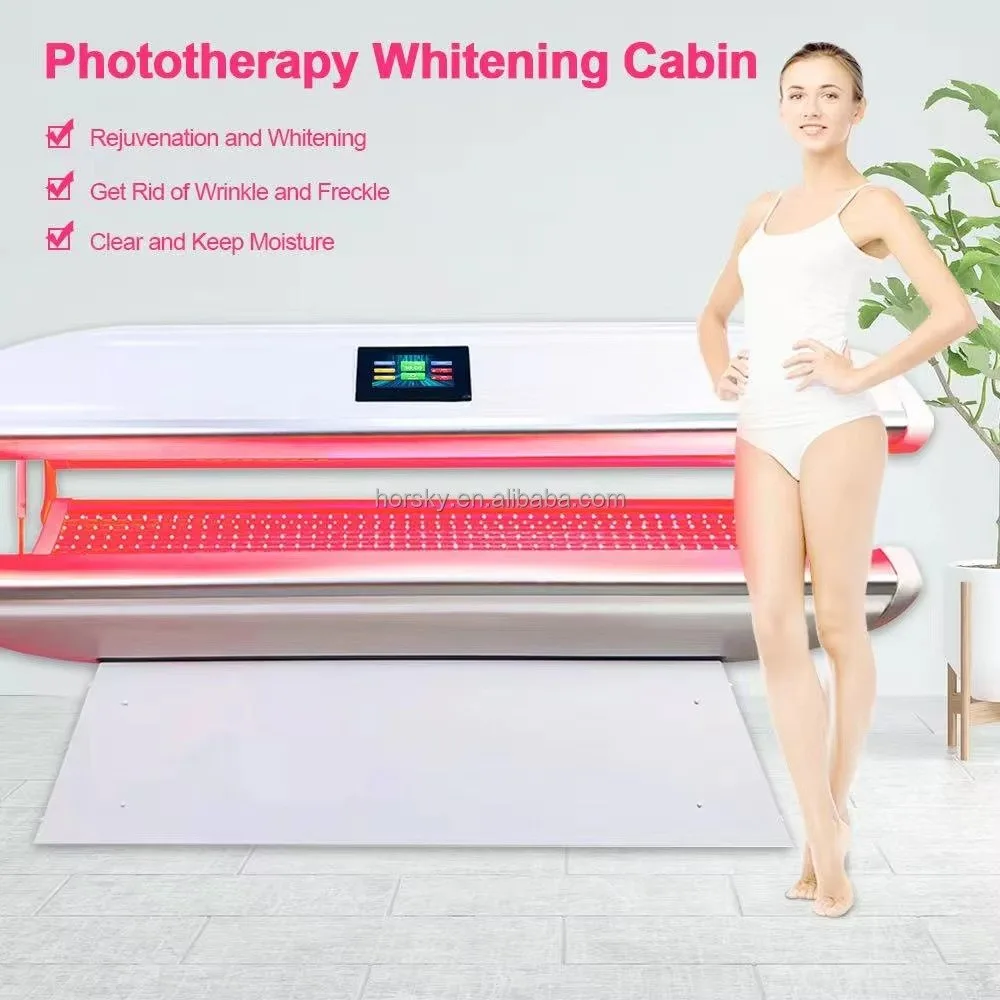
Tell clients that red/near‑infrared therapy is most likely to support local tissue changes and recovery; it is not a substitute for calorie management, increased physical activity, or medical treatment when required. Set measurable, specific goals (circumference, body‑composition trends, energy and recovery) rather than promising scale weight reduction. Emphasize progressive tracking, and be transparent about the current evidence limitations.
Which treatment variables matter for fat‑loss goals — and why

- Wavelength: Different targets penetrate to different depths. Wavelengths around 660 nm (red) and near‑infrared near 810–850 nm are the most commonly used in studies and product literature for tissue and adipose work.
- Irradiance (power density): Higher irradiance increases delivered energy per area and shortens time to a given dose, but clinical benefit depends on the device’s measured output and how that output is applied. Look for measured irradiance values from the manufacturer.
- Spectral control and programmability: The ability to select and combine wavelengths, pulse or continuous modes, and vary power helps match the device to different client needs.
- Treatment frequency and cumulative dose: Outcomes appear to depend on a series of treatments rather than a single session, but exact schedules are not yet standardized across studies.
How MAIKONG full‑body red/infrared bed features map to those variables
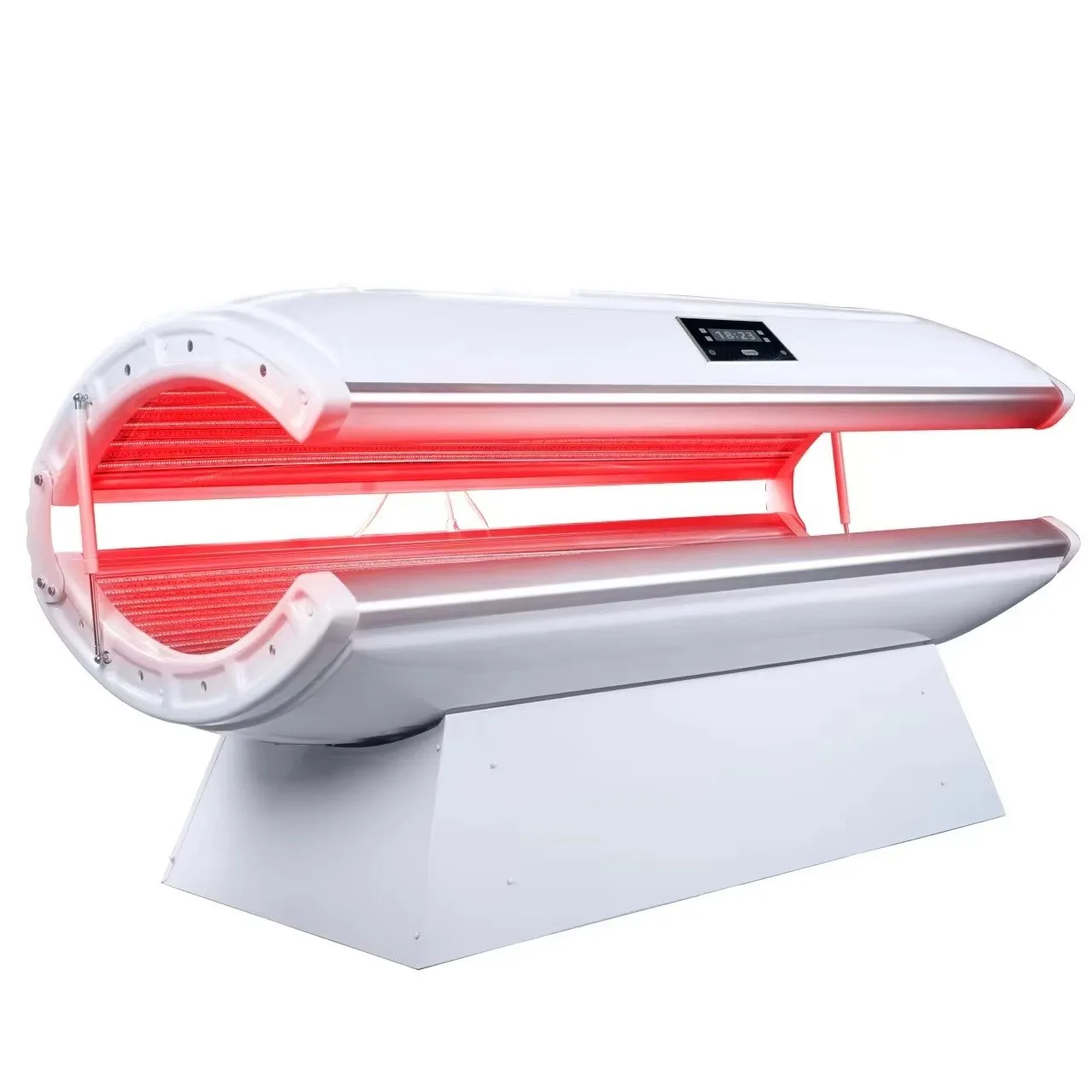
For clinics considering a full‑body solution, MAIKONG’s full body red/infrared light bed (model MK-0001) provides several factory‑reported specifications that map directly to practitioner concerns:
These factory figures show the device supports both 660 nm and 850 nm bands commonly used in tissue and adipose protocols, with a reported irradiance range that is meaningful for delivering therapeutic light to large areas and the power to drive full‑body sessions. The bed allows per‑wavelength control and pulsing, which clinics can use to tailor treatments within the device’s technical limits. See the MAIKONG product page for the full specification list and imagery: Red light therapy bed.
Practical protocol options for clinic use — structure and monitoring advice (safety and comfort first)
Because device manuals and local regulations differ, we do not publish fixed timing or intensity prescriptions here. In practice we recommend:
- Plan a short series of sessions as a clinical package with clear, measurable client goals (circumference, body‑composition metric, recovery score).
- Begin conservatively with the device settings specified in the MK-0001 manual and increase exposure only after observing client tolerance and comfort; always follow the bed’s manual for power/time parameters.
- Integrate simple pre‑ and post‑treatment checks: skin inspection, eye protection, hydration and informed consent about expected effects and limitations.
- Document subjective responses (comfort, soreness, perceived recovery) after each session and track objective measures weekly or biweekly.
If you need a clinic protocol template that aligns with MAIKONG’s control options, request the MK-0001 operator manual and ask our technical team for suggested starting configurations based on your client mix and intended use.
How to integrate red light therapy into a holistic weight‑loss program
Use red/near‑infrared therapy as one component in a multi‑modal plan:
- Nutrition: coordinate with a registered dietitian or nutrition coach to set sustainable energy intake and macronutrient balance.
- Movement: pair sessions with resistance training and cardiovascular activity appropriate to the client’s abilities to optimize body composition changes.
- Sleep and stress: incorporate sleep hygiene and stress‑management tools, since recovery and hormonal balance affect metabolic outcomes.
- Behavioral tracking: combine objective measures (circumference, BIA or other body‑composition tools) with client‑reported outcomes to show incremental benefit.
Contraindications, safety checks and risk management for wellness centers
MAIKONG reports that red light therapy is non‑invasive and generally well tolerated; one clear operational safety rule from device guidance is to avoid direct eye exposure to the LEDs. Clinics must perform a clinical screening before first use and follow the MK-0001 manual for device‑specific safety recommendations. For clients with complex medical histories, implants, or photosensitivity, obtain clearance from an appropriate healthcare professional. Keep a written informed‑consent process and a clear protocol for handling adverse reactions.
How to measure progress and document outcomes in your practice
Recommended tracking items:
- Anthropometrics: circumference measurements at standardized landmarks and body‑weight trends.
- Body composition: BIA, skinfolds or other available methods to monitor fat‑mass changes where feasible.
- Photos: standardized before/after images using consistent lighting and posture.
- Client‑reported outcomes: energy, sleep, recovery, and perceived body changes on simple scales.
- Session logs: record MAIKONG bed settings used, client tolerance, and any immediate responses.
Collecting and retaining this information lets you judge which clients benefit most and refine your service offerings without overstating efficacy.
What to ask a supplier when evaluating a full‑body bed for weight‑loss services
Focus on clinical fit rather than marketing. Key questions include:
- Can you provide measured irradiance maps and spectra for the model under realistic operating conditions? (MAIKONG reports an irradiance range of 80–160 mW/cm² for MK-0001; request test reports.)
- Which exact wavelengths does the system deliver and with what measured accuracy?
- Is per‑wavelength control and pulsing supported, and how is that controlled in practice?
- What operator training, maintenance, and spare‑parts support are supplied?
- What documentation and recommended protocols does the manufacturer supply for commercial clinic use?
Client communications: sample talking points and informed‑consent elements
Simple, evidence‑aligned language works best with clients. Example points to cover:
- What it is: “This is a non‑invasive red/near‑infrared light session that can support tissue recovery and local metabolic activity.”
- What it is not: “It is not a guaranteed method for losing a set amount of weight by itself.”
- Expected support: “We use these sessions alongside your nutrition and exercise plan to support body‑contouring and recovery goals.”
- Safety items: “We will protect your eyes, review your medical history, and follow the device operator manual for safe use.”
- Documentation: “We will record baseline measures and track progress to evaluate whether this adjunct helps you reach your goals.”
MAIKONG factory and certifications (what we can verify and what to ask for)
MAIKONG manufactures the MK‑0001 full body red/infrared light bed and declares adherence to ISO 9001, CE and ISO 13485 quality frameworks. If these certifications matter for your procurement or compliance, request copies of the certificates and the machine’s technical and safety documentation before purchase.
Next practical step for U.S. holistic clinics
Contact MAIKONG: lucy@maikongbed.us • +86 13510907401
Disclaimer: Information in this article is intended for health‑management and educational purposes only and does not replace medical diagnosis or individualized clinical advice. We do not claim red light therapy cures or treats disease. For clinical decisions involving medical conditions, consult a qualified healthcare professional and the device operator manual.
This content is provided for learning, information sharing and professional communication only. It is not medical advice and is not a basis for treatment or diagnosis. Confirm suitability, operation and purchasing requirements against the product manual, local regulations and qualified professional guidance.
If you want device data, operator documentation or a tailored configuration and quote for MK‑0001 that matches clinic layout and treatment goals, contact us with your intended use, clinic footprint and the wavelength mix you prefer. We can share technical sheets, measured irradiance data and the operator manual for review.
Contact us byWhatsApp Online:

Maybe you like also
Copy©2025