Red light therapy bed Manufacturer For US

Clinic‑Ready Three‑Step Topical System to Pair with Red & Near‑Infrared Sessions
October 7, 2026
Quick answer
Use a simple three‑step topical routine to make red/NIR sessions clinic‑ready: (1) Prepare — gentle cleansing and barrier repair to ensure clean optical contact; (2) Potent actives — apply transparent, heat‑stable serums with collagen‑supporting peptides, hydrating humectants, and antioxidants during or immediately after light exposure; (3) Seal & protect — use occlusive or barrier‑support moisturizers and sunscreen (for daytime protocols) to lock actives and restore the skin. Time each step to your treatment goal (collagen vs. anti‑inflammatory vs. hydration) and require suppliers to declare optical clarity, heat tolerance, preservative systems and batch traceability before you buy.
Contents
Direct answer: a concise three‑step topical routine that complements red + near‑infrared sessions
- Step 1 — Prepare: Cleanse with a non‑exfoliating, non‑residual cleanser and apply a thin, fast‑absorbing barrier‑support serum if the skin is dry or compromised.
- Step 2 — Potent actives during/immediately after: Use an optically clear, heat‑stable serum containing peptides, stabilized vitamin C (if tolerated), and low‑molecular‑weight hyaluronic acid or other humectants. Avoid known photosensitizers immediately before or during light exposure.
- Step 3 — Seal & protect: Finish with a moisturizing emollient or lightweight occlusive to retain hydration and protect the barrier; for daytime patients, follow with broad‑spectrum sunscreen after the post‑light dressing period required by your protocol.
Use this routine as a framework and adapt ingredient concentrations and product textures to client skin type and the session objective.
Why combine topicals with red/NIR in an anti‑aging clinic — practical benefits and limits
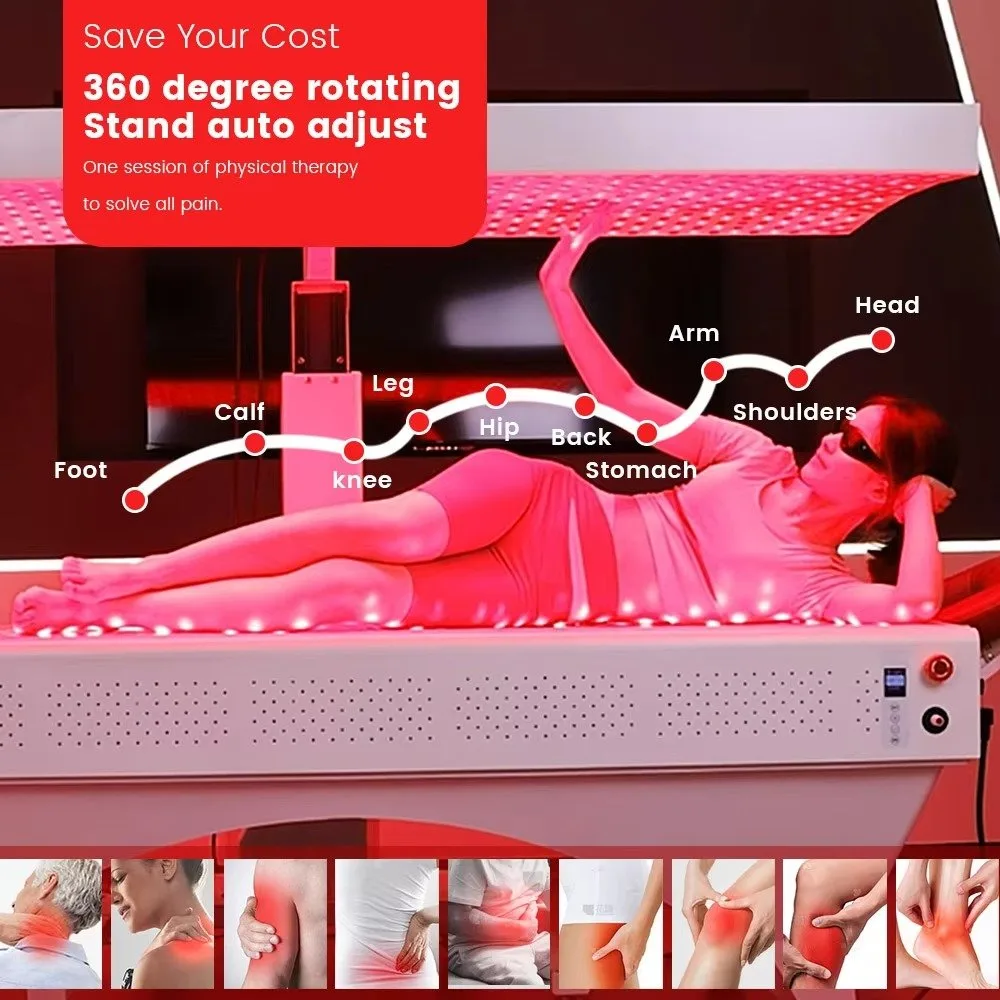
We recommend pairing topicals with red/NIR because the light environment can influence skin temperature, permeability and cellular metabolism; these factors affect how a topical behaves at the skin surface. In clinic practice, the combination helps you control treatment flow and patient experience: clear serums are comfortable during full‑body sessions and occlusives finish the visit for a polished result.
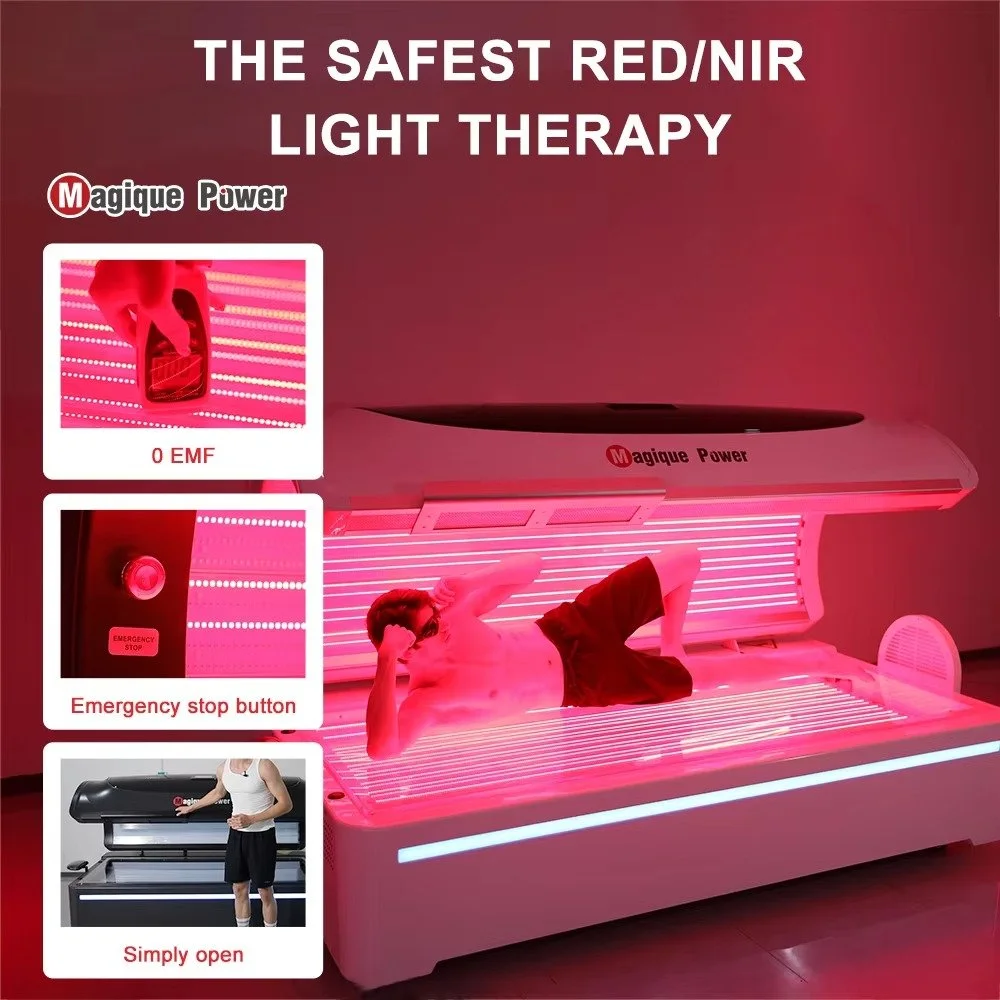
Limits to accept: evidence for additive or synergistic molecular effects varies by ingredient and outcome. Red/NIR beds such as MAIKONG’s full‑body systems support customizable wavelengths (including 660 nm and 850 nm) and pulse control, which can be useful for matching device spectra to topical strategies, but clinical efficacy claims for any combined protocol must be validated locally with documented outcomes rather than assumed from device specs alone (see Evidence section below). When we reference MAIKONG device parameters, we use the factory’s declared values for planning and equipment compatibility (data-fact-id=”127″).
Step 1 — Prepare: cleansing and barrier management before light exposure
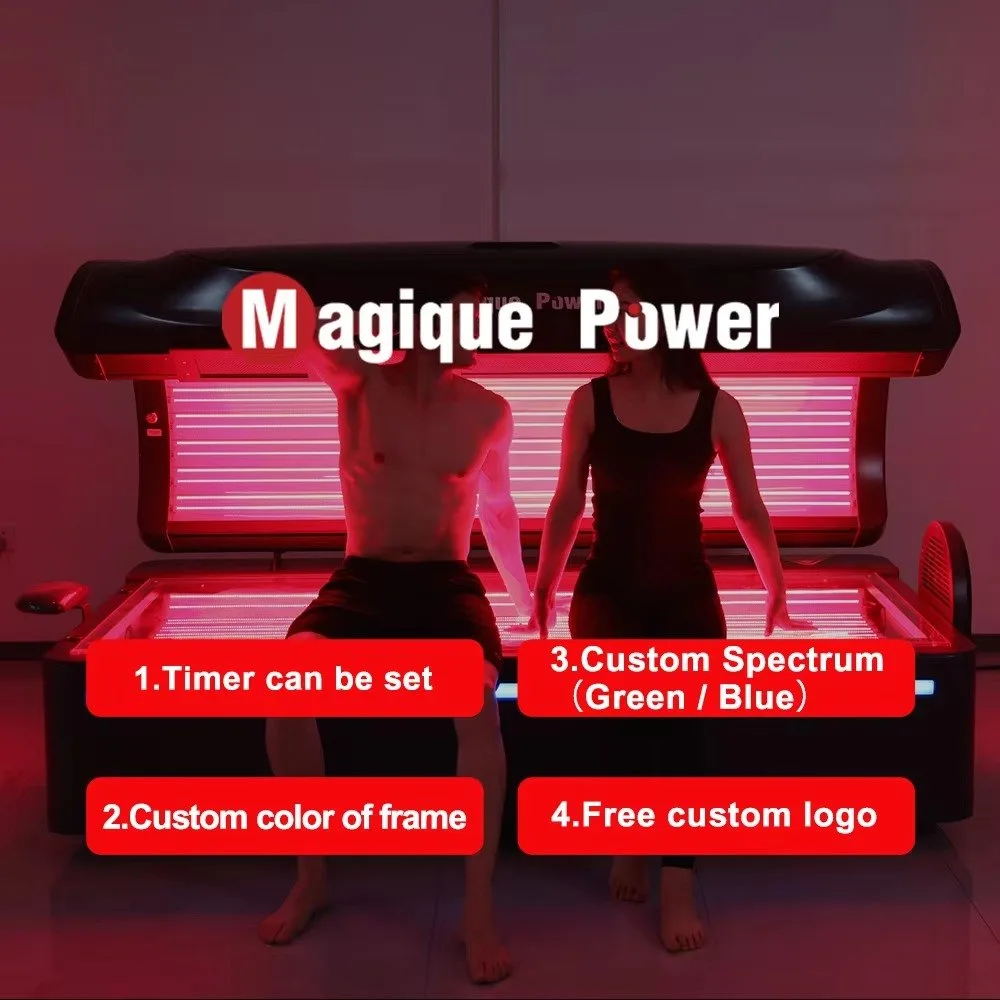
Practical prep is about optical clarity and skin safety. Remove makeup and surface oils that scatter light. Use a gentle, residue‑free cleanser and avoid recent use of strong actives such as retinoids or acids on the treatment day if you plan to expose skin to light; these can increase irritation risk. If the skin is dry or sensitized, apply a lightweight barrier‑support serum (peptide or ceramide‑based) that is non‑reflective and absorbs quickly.
Step 2 — Potent actives for synergy during/after light (what ingredient classes to use and why)
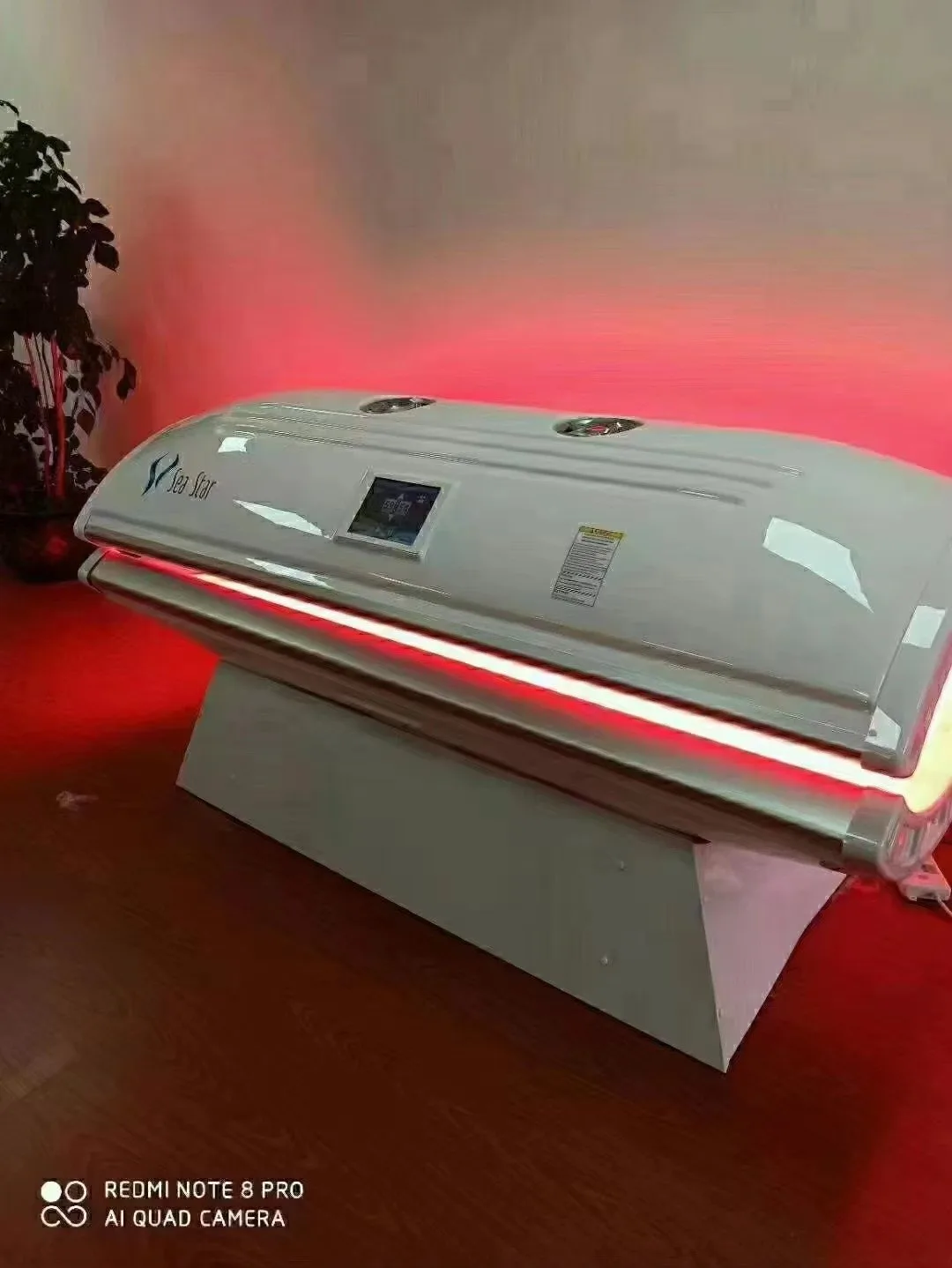
We group actives by clinic utility rather than marketing claims:
- Peptides (signal peptides): Support extracellular matrix pathways conceptually relevant to collagen maintenance; choose low‑irritancy peptide blends in water‑based serums for in‑session use.
- Antioxidants (stable forms): Vitamin C derivatives (magnesium ascorbyl phosphate, ascorbyl glucoside) and resveratrol analogues can be useful after light exposure to reduce oxidative load; select stabilized derivatives with known pH ranges compatible with your serum vehicle.
- Humectants / hydrators: Low‑molecular‑weight hyaluronic acid, glycerin and polyglutamic acid improve transient hydration and patient comfort during treatment.
- Anti‑inflammatory actives: Niacinamide and certain botanical extracts can help reduce redness post‑session; verify that they are non‑photosensitizing.
Avoid applying strong chemical exfoliants (AHAs/BHAs), unbuffered high‑concentration vitamin A derivatives, or known photosensitizers before or during light exposure. If you use retinoids in a treatment course, schedule them away from light‑session days and document timing.
Step 3 — Seal and protect: post‑light locking, hydration and barrier support
Finish with a moisturizer tuned to the end goal: lighter emollients for oily or acne‑prone clients, richer creams for barrier repair. For daytime protocols, sunscreen is mandatory once the skin is stable post‑session. Where occlusion is part of a protocol, use products with known comedogenicity profiles and avoid occlusive dressings if the patient is photosensitized or prone to folliculitis.
How to pair each step with clinic red/NIR timing and session variables (before, during, immediately after)
Keep timing simple and reproducible in your SOPs. Common clinical patterns we support:
- Before treatment: Prep and barrier check; avoid heavy topicals that create reflection or residue.
- During treatment: Apply optically clear serums if you want the topical present during light exposure; require suppliers to confirm optical clarity and heat tolerance (see Formulation notes).
- Immediately after: Apply repair and seal layers to mitigate TEWL (transepidermal water loss) and visible erythema where appropriate.
MAIKONG devices declare customizable wavelengths (including 660 nm and 850 nm) and support pulse/dimming and frequency control (1–5000 Hz), which allow clinics to align device output to the topical window you choose; use those device capabilities only as part of an internally validated protocol (data-fact-id=”127″).
Formulation notes clinics should require from suppliers
- Optical clarity: For in‑session serums require a measured description (transparent/clear gel vs opaque cream) and, if available, transmittance data.
- Heat tolerance: Ask for stability data at modest elevated skin surface temperatures; manufacturers should state any changes in color, pH or precipitate formation when warmed.
- pH and buffering: State pH and whether the formula is compatible with antioxidants used in your practice.
- Preservative system & shelf life: Full declaration so you can manage open‑jar lifespans in clinic.
- Scent and residue: Choose low‑odor formulas to avoid patient complaints during enclosed beds.
- Packaging & traceability: Batch codes, tamper evidence and single‑use options for in‑office dispensing.
Safety and contraindications relevant to clinic practice
Key safety points for clinic SOPs:
- Protect eyes for both staff and patients with appropriate shields or goggles during whole‑body or standing bed sessions.
- Screen topical ingredients for photosensitizing potential (common culprits include certain botanical extracts, high‑concentration retinoids and some systemic photosensitizers). If in doubt, exclude them from the in‑session product list.
- Document skin integrity: active open wounds, infections or severe dermatitis should be treated or deferred per your medical oversight policy.
- Record product lots applied during each session for traceability if a reaction occurs.
Evidence and practical markers to track in clinic
Track objective and subjective markers to evaluate whether the topical + light combination is performing to your goals:
- High‑quality standardized photography with consistent lighting and positioning at baseline and follow‑ups.
- Patient‑reported symptom scores (tightness, redness, pain) collected at each visit.
- Record any immediate reactions within 48 hours and any delayed events during the treatment course.
- Set clinical checkpoints (for example, initial review after several sessions and a longer‑term review for structural changes). Exact timing should reflect your internal protocols and regulatory oversight.
MAIKONG declares that its full‑body beds offer customizable spectra and pulse/dimming control, which clinics can use when aligning device output to topical selection; those device parameters are manufacturer‑declared and intended for planning (data-fact-id=”127″).
Risks and limitations
Do not assume every topical benefits from concurrent light exposure. Risks include increased irritation if photosensitizers are present, product instability if heated, and poor patient experience from odorous or sticky products during full‑body sessions. Also, device specs are manufacturer declarations and do not replace clinical validation—verify compatibility with your medical director and through small‑scale pilot monitoring before broad rollout.
Sample short protocol templates for common anti‑aging goals
Below are clinic templates that focus on topical selection and timing only; do not treat them as device operating instructions.
Collagen‑support template (structural focus)
- Prepare: gentle cleanse; thin peptide‑rich serum if skin is dry.
- During/after: clear peptide + stabilized antioxidant serum.
- Seal: moisturizing emollient; document comfort and erythema.
Redness / inflammation control
- Prepare: mild cleanser; apply calming serum with niacinamide or azelaic derivatives if tolerated.
- During/after: anti‑inflammatory serum (non‑photosensitizing) applied immediately after light.
- Seal: barrier‑support cream; schedule a short follow‑up for symptom check.
Hydration & patient comfort
- Prepare: hydrate with humectant serum pre‑session.
- During/after: HA or polyglutamate serums to maintain turgor.
- Seal: lightweight occlusive for at‑home retention advice.
Product selection checklist for anti‑aging clinics
- Supplier declarations: ingredient list, pH, preservative system, batch traceability and recommended storage.
- Optical properties: transparent vs opaque; any provided transmittance or stability data under modest heat.
- Packaging options: single‑use vials or pump dispensers for multi‑use hygiene.
- OEM/custom options: whether the supplier offers private‑label formulations and minimum order quantities.
- Regulatory declarations: MAIKONG declares ISO 9001, CE and ISO 13485 for its manufacturing operations—treat these as factory declarations relevant to sourcing devices, not clinical efficacy endorsements (company declaration).
How MAIKONG clinic owners can integrate this topical system with full‑body or standing red/NIR beds
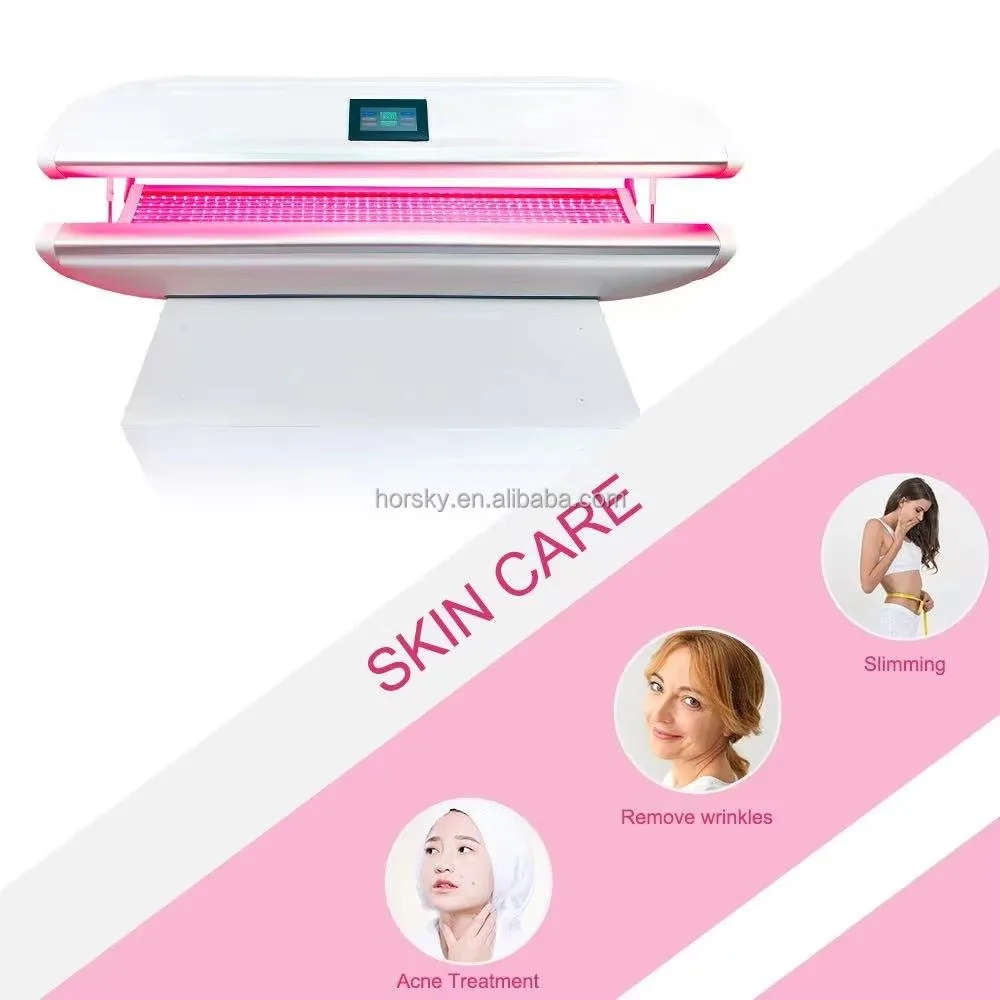
MAIKONG’s full‑body systems are factory‑declared to offer customizable wavelengths (including 660 nm and 850 nm), high power (actual power 3.5–4.5 kW), adjustable frequency and pulse/dimming support. Use these device capabilities to standardize timing and staff instructions when you plan to have a topical present during sessions; require the topical supplier to confirm optical clarity and heat tolerance before integrating into an in‑session protocol (data-fact-id=”127″).
Product & sourcing note
If you’re evaluating integration, review MAIKONG’s product page for the Full Body Red Infrared Light Bed (model MK-0001) which lists declared wavelengths, irradiance ranges and other factory specifications useful for equipment planning. See the MAIKONG product page: Red light therapy bed (data-fact-id=”127″).
One practical next step
If you want a clinic‑specific configuration or a quotation that includes OEM labeling, packaging and sample topical compatibility checks, contact our U.S. sales coordinator with your clinic profile and intended topical ingredient list: lucy@maikongbed.us or +86 13510907401. We can provide MOQs, lead time (15–21 days declared), and configuration guidance for MAIKONG devices (company contact).
FAQ
Which topical ingredients should never be used during light exposure?
Avoid known photosensitizers and high‑strength chemical exfoliants immediately before or during light sessions. If the ingredient safety under light is unclear, schedule it outside of light days and document timing in the client chart.
Do MAIKONG beds support spectrum choice relevant to topicals?
MAIKONG declares customizable wavelengths (e.g., 660 nm, 850 nm and others), pulse/dimming support and frequency control; clinics can use these device features to align with topical windows, but we advise local validation of any combined protocol (data-fact-id=”127″).
Contact for quote or configuration: lucy@maikongbed.us | +86 13510907401
Disclaimer: This article is for clinical practice planning and education only. It does not provide medical diagnosis or treatment advice and should not replace assessment by a qualified healthcare professional. Do not promise cures or specific clinical outcomes based on device specifications alone.
This content is provided for learning, information sharing and professional communication only. It is not medical advice and is not a basis for treatment or diagnosis. Confirm suitability, operation and purchasing requirements against the product manual, local regulations and qualified professional guidance.
Contact us byWhatsApp Online:
Maybe you like also
Copy©2025