Red light therapy bed Manufacturer For US

In‑Ear Light Therapy and Circadian Support: Practical Guidance for U.S. Rehabilitation Centers
October 8, 2026

Quick answer
Short answer: in‑ear (auricular) light devices may offer an adjunctive way to support circadian alignment for selected rehabilitation patients, but the evidence is limited and device claims vary. We recommend treating auricular light as a supportive tool—use it only after clinical review, match timing to circadian goals (morning energizing vs evening sleep preparation), monitor patient outcomes, and confirm safety, cleaning and contraindication details with the device manufacturer and the treating clinician before routine clinic use.
Contents
How auricular (in‑ear) light therapy is proposed to work — a plain, practical explanation
Manufacturers of in‑ear (auricular) or intranasal light devices propose two complementary mechanisms. One is wavelength selection: red and near‑infrared (NIR) light interacts with tissue and mitochondrial chromophores to change cellular function; another is the proximity of the light emitter to cranial vasculature and neural structures (ear canal, nasal mucosa), which is argued to increase local photon delivery compared with transcutaneous application. These mechanistic descriptions are hypotheses and are used by product developers to explain why a small, targeted emitter could influence sleep/wake biology or daytime alertness (data-prepared-source=”sourceType:511044″).
Separately, classic circadian interventions are mediated primarily through ocular light exposure: bright white (including blue wavelengths) to phase‑shift the suprachiasmatic nucleus. Auricular approaches aim to avoid blue light at night and instead apply red/NIR spectra that are less likely to suppress melatonin, but this is a theoretical advantage rather than a proven clinical substitute for ocular light therapy (data-prepared-source=”sourceType:511044″).
What rehabilitation centers need to know first: patient selection, goals and realistic outcomes
Decide in advance what problem you are trying to address. Typical rehabilitation objectives where circadian support may help include: persistent insomnia or delayed sleep phase after injury, daytime sleepiness affecting therapy participation, or mood disturbance linked to poor sleep. For each candidate patient, ensure a clinician documents current sleep assessment, medication review, and any known photosensitivity.
Realistic framing: do not expect a single‑device cure. In‑ear light should be an adjunct to established approaches (sleep hygiene, CBT‑I referral when indicated, medication review, and environment/light exposure management). When evaluating benefit, look for modest, measurable improvements in sleep timing, sleep continuity, daytime function or therapy engagement rather than miraculous, rapid reversals.
Safety and limitations specific to in‑ear devices and circadian use

Safety questions for a clinic to resolve before use:
- Does the manufacturer provide a device manual detailing contraindications, cleaning, and reprocessing? Obtain and review it.
- Are there explicit warnings about photosensitivity, epilepsy, or recent cranial/ear surgery? If the manual is silent, seek written clarification from the vendor and your medical director.
- Verify whether the device emits blue wavelengths; if so, avoid evening use for circadian preparation unless explicitly recommended by a clinician.
Evidence limitations: clinical data for auricular light specifically addressing circadian outcomes in rehabilitation populations remains limited. Most safety statements from device suppliers are manufacturer‑reported and should not be treated as independent proof of therapeutic effect. Treat efficacy claims with caution and prefer devices whose vendors supply clinical protocols or peer‑reviewed studies for the exact device model.
Timing and simple protocols to support circadian rhythm — practical session examples (principles, not prescriptions)

Principles to apply when scheduling in‑ear sessions:
- Define the circadian objective (phase advance, phase delay, consolidate sleep, increase daytime alertness).
- Match spectrum to goal: for morning activation most clinics favor brighter spectra (ocular light therapy). For evening sleep preparation clinics use red/NIR spectra because they are less likely to suppress melatonin; auricular devices that emit red or near‑infrared light are positioned by vendors as evening‑friendly (data-prepared-source=”sourceType:511044″).
- Keep sessions reproducible and record timing relative to patient wake time—consistency matters more than a single long exposure.
We do not prescribe session lengths or intensities here: those parameters must come from the device manual or a qualified clinician. If the device documentation lacks guidance for circadian use, request a clinician‑oriented protocol from the vendor or involve your medical director in protocol development.
How to integrate in‑ear sessions into existing rehab programs without replacing clinical care
Integration steps we recommend:
- Pilot with a small, well‑documented patient group under clinical oversight (e.g., patients with documented sleep timing problems affecting therapy).
- Embed the device session within the therapy schedule so it supports, rather than competes with, other interventions—use it before therapy to increase alertness or in the evening to support sleep preparation according to the device’s spectrum guidance.
- Keep other variables stable during the pilot (consistent light exposure, medication changes recorded) so you can reasonably attribute changes.
Monitoring and outcome tracking: what metrics rehabilitation centers can collect
Useful, clinic‑friendly metrics:
- Patient‑reported sleep timing and quality (sleep diary; validated tools such as the Pittsburgh Sleep Quality Index can be used if your clinic already employs it).
- Functional measures: daytime alertness scales, participation in scheduled therapy sessions, fall risk incidents if relevant.
- Objective tools where feasible: actigraphy or wearable sleep trackers can provide sleep timing and activity patterns; interpret these alongside clinical context.
- Adverse event log: any headaches, ear discomfort, or changes in seizure threshold must be reported immediately and reviewed with the clinician.
Device and operational considerations for clinics — what to ask vendors
Before purchasing or trialing a device ask for:
- Device manual, cleaning and disinfection instructions, and recommended reprocessing intervals for reusable ear tips.
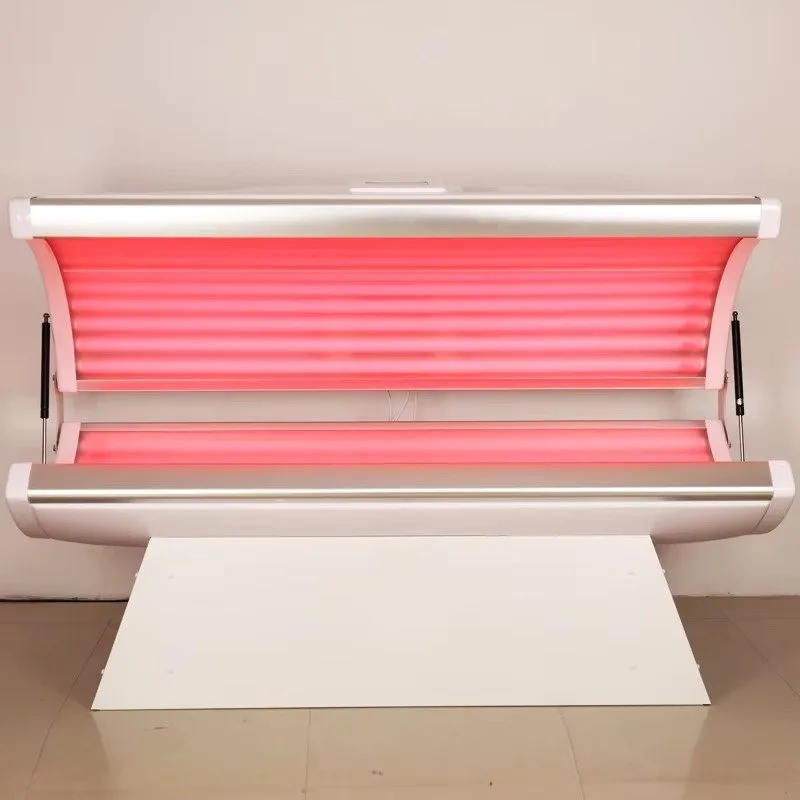
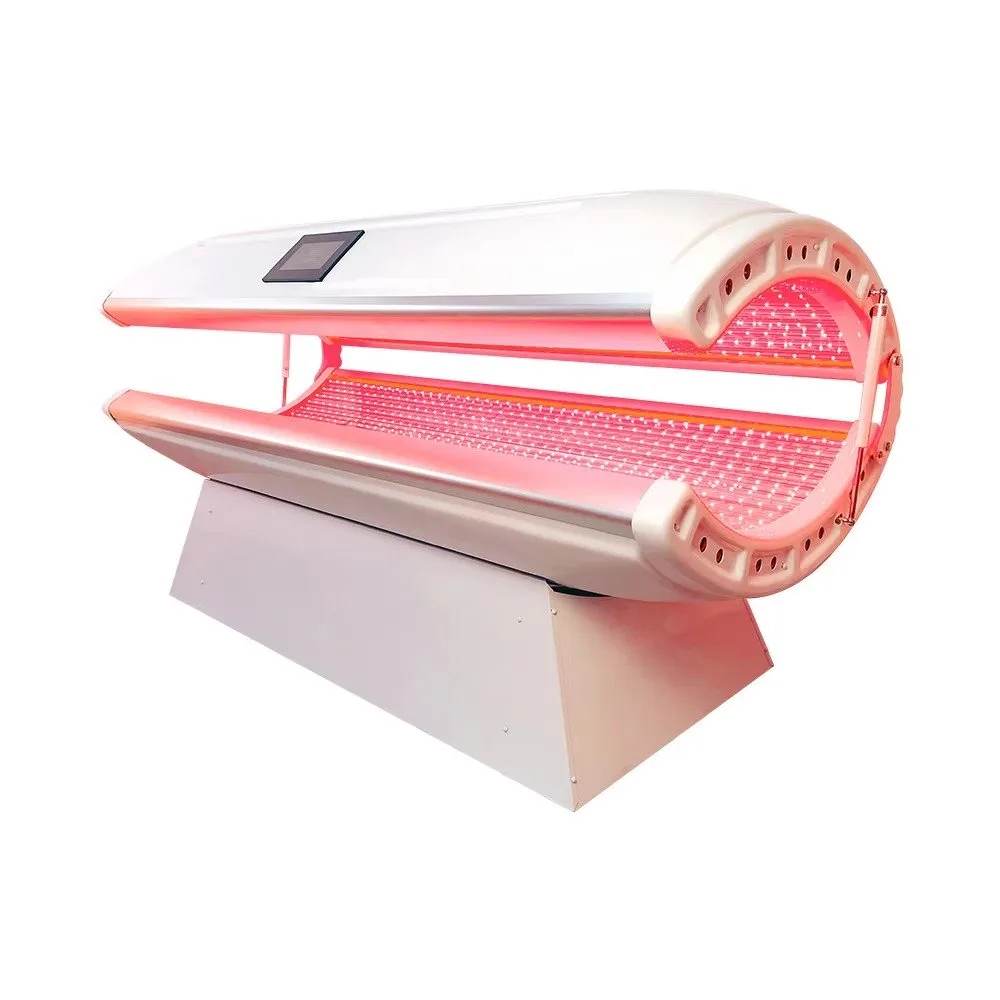
- Spectrum specifics and measured output (wavelength list and irradiance where available). If you plan to compare MAIKONG full‑body products later, note that MAIKONG lists wavelengths such as 660 nm and 850 nm for its beds (data-fact-id=”127″) and provides irradiance ranges; however, those product facts apply to full‑body systems, not auricular devices (data-fact-id=”127″).
- Contraindications, clinical references, and any available peer‑reviewed data for the exact model.
- Service, spare parts and warranty terms, and local electrical requirements (U.S. clinics must confirm voltage/plug compatibility and on‑site installation needs).
Comparison: in‑ear therapy vs other light‑based options relevant to rehab centers
| Modality | Access route | Typical spectrum | Evidence context |
|---|---|---|---|
| In‑ear (auricular) | Ear canal / auricle | Often red / NIR (manufacturer dependent) | Emerging, limited circadian‑specific evidence; vendor protocols vary (data-prepared-source=”sourceType:443377″) |
| Intranasal | Nasal mucosa | Red / NIR or mixed | Also emerging; proposed for brain‑targeted photobiomodulation but circadian outcomes are not well established (data-prepared-source=”sourceType:458128″) |
| Ocular / Panel (bright light therapy) | Eyes / whole room exposure | Bright white, blue‑enriched for phase shifting | Stronger evidence base for circadian phase shifting and seasonal affective disorder when applied as prescribed (data-prepared-source=”sourceType:395617″) |
Common staff questions — quick answers
Is auricular light therapy a replacement for sleep hygiene or specialist referral?
No. Treat it as an adjunct. Continue standard sleep management and refer to sleep medicine or psychiatry where clinically indicated.
Do we need a physician order?
That depends on your facility’s policy and the patient’s clinical status. For medically complex patients or those with neurological conditions, involve the supervising clinician before use.
Can auricular devices be shared between patients?
Only if the vendor provides validated reprocessing instructions. Ask for written cleaning/sterilization procedures and follow your clinic infection‑control policies.
Evidence and source notes
Background materials that informed this guidance include public summaries on auricular and intranasal photobiomodulation and general distinctions between red/NIR and bright‑white circadian approaches (data-prepared-source=”sourceType:511044″ data-prepared-source=”sourceType:443377″ data-prepared-source=”sourceType:458128″).
MAIKONG product facts for our full‑body red/infrared bed (model MK‑0001) list wavelengths such as 660 nm and 850 nm, irradiance ranges and power — these product facts are company‑reported and concern full‑body systems rather than auricular devices (data-fact-id=”127″).
Risks and limitations
Limitations you must accept before implementing auricular light in a rehab program:
- Direct, high‑quality clinical trials specifically validating auricular light for circadian outcomes in rehabilitation populations are limited. Treat device efficacy as provisional until supported by device‑specific data.
- Manufacturer claims about safety and efficacy are vendor‑reported and require local clinical validation and review by your medical leadership.
- If device manuals or safety data sheets are incomplete, obtain clarification in writing from the vendor or seek devices with clearer clinical documentation.
Next step for Rehabilitation Centers
Disclaimer: This article is intended for health‑management and educational reference only and does not replace professional medical diagnosis, individualized treatment plans, or clinical judgment. Do not use this material as a basis for treating or diagnosing patients without clinician oversight.
This content is provided for learning, information sharing and professional communication only. It is not medical advice and is not a basis for treatment or diagnosis. Confirm suitability, operation and purchasing requirements against the product manual, local regulations and qualified professional guidance.
If you want device specifications, clinic configuration guidance, or a quotation for MAIKONG solutions (we manufacture full‑body red/infrared beds and can discuss spectrum options and clinic workflows), request our clinician packet and operational checklist. Visit our product overview for the Red light therapy bed or contact us directly by email at lucy@maikongbed.us or by phone/WhatsApp at +8613510907401. Pricing and clinic configurations are provided on inquiry; we will supply device manuals and cleaning protocols for any model we discuss.


Contact us byWhatsApp Online:
Maybe you like also
Copy©2025