Red light therapy bed Manufacturer For US

OEM Private‑Labeling for Red Light Devices: A Practical Playbook for U.S. Brand Owners
October 13, 2026
Quick answer
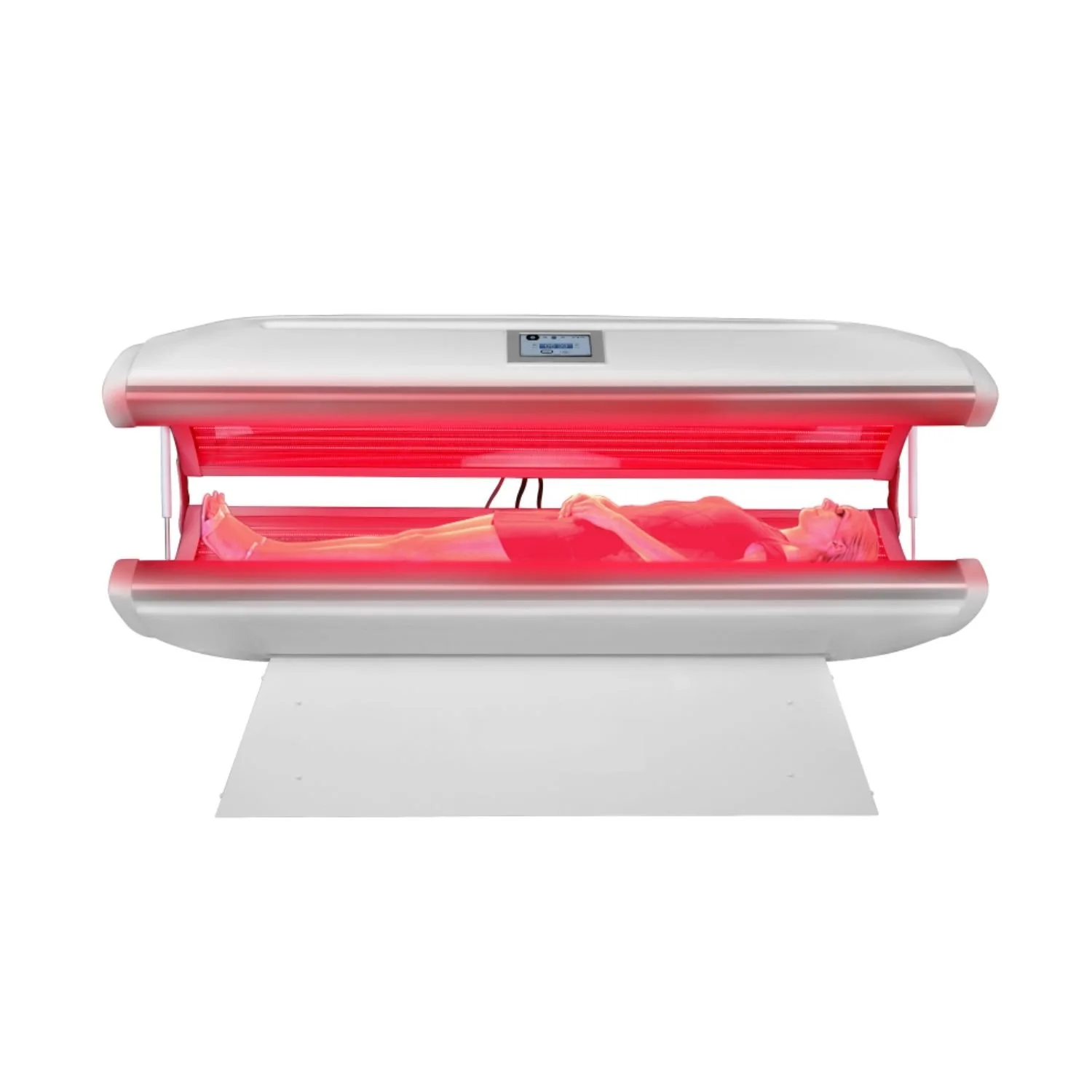
Yes — you can OEM/private‑label red light devices with MAIKONG. We offer a vertically integrated pathway from a validated baseline model (MK‑0001) to cosmetic branding, spectrum and firmware choices, and small initial MOQs. That enables U.S. brands to launch commercial full‑body beds or targeted devices without owning tooling or electronics lines; you must still decide spectra, irradiance targets, user controls, and U.S. electrical/installation needs before requesting a quote.
Contents
Direct answer: Can you OEM/private‑label red light devices with MAIKONG?
Short verdict: Yes — MAIKONG provides OEM/private‑label services for commercial red light devices. We can deliver a private‑labeled full‑body red/infrared bed starting from our MK‑0001 platform, and we support custom spectra, pulse/dimming control, enclosure color and packaging. This enables you to: launch a branded commercial device; control treatment parameters within agreed limits; and scale from single prototype to production with the factory‘s in‑house tooling, PCB assembly and firmware support.
What that enables practically: instead of setting up manufacturing, you specify the product features that matter to your brand (wavelengths, irradiance, UI, labeling) and we manage production, assembly, testing and basic after‑sales spare parts. You remain responsible for claims, U.S. labeling, electrical installation and any clinical or therapeutic statements you make to customers.
One‑page evidence snapshot: MAIKONG capabilities and MK‑0001 baseline specs you can start from
Relevant MAIKONG factory facts available to quote and configure (extracted from our product listing for MK‑0001):
Images: we can provide product and factory photos for marketing. Example media available: 
What private‑label/OEM means for a U.S. brand owner — practical expectations
Brand control typically covers the visual identity (logo, housing color, front panel graphics), preloaded firmware settings, packaged accessory list and printed/user manual text you provide. You can request MAIKONG to apply your brand to the MK‑0001 or a modified design, but you should expect these operational points:
- Branding: exterior labeling and packaging are standard; internal PCB silkscreen changes are possible but may add cost.
- Control over core electronics: we offer configurable frequency and power ranges within the MK‑0001’s declared capabilities (1–5000Hz, 0–100% power).
- MOQ and samples: MOQ starts at 1 for initial sample orders, allowing rapid prototyping; production scaling follows agreed volumes.
- Timelines: prototype and sample builds fit within the declared lead time (15–21 days) for standard MK‑0001 configurations; tooling or new housing molds will extend timelines.
What you must decide before contacting a manufacturer

We recommend clarifying these items first; they materially affect price, lead time and safety requirements:
- Brand identity and packaging style (logo files, label approvals).
- Target spectra and whether you need combination red + near‑IR or additional wavelengths (MK‑0001 supports 660 nm and 850 nm; other wavelengths are customizable).
- Target irradiance and session design — specify a target mw/cm² and whether peak irradiance or average matters for your positioning.
- Controls and UI: simple timer and intensity knob, touchscreen, or app/remote; whether you need programmable protocols per user.
- Safety and regulatory limits: maximum power, eye protection features, and whether you require specific test reports for U.S. importation.
- Installation and electrical: confirm local electrical supply and whether you need a 110/120 V variant — MAIKONG declares Input Voltage 220v 30A for MK‑0001; U.S. electrical coverage is a required check (we note missing local installation guidance).
Typical private‑label options MAIKONG offers — and realistic limits
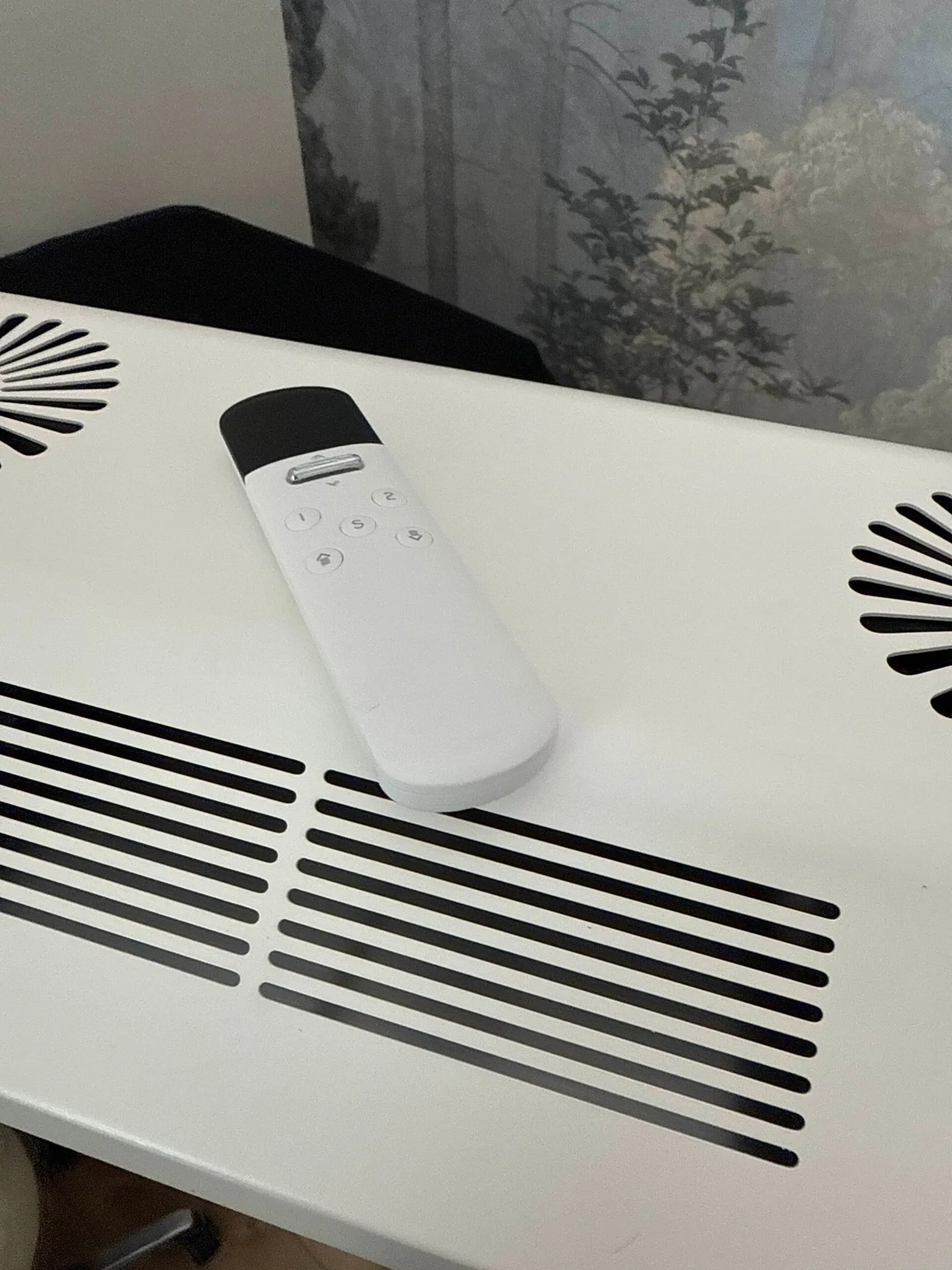
Common options that do not require new tooling:
- Cosmetic changes: color, logo placement, silk‑screened overlays.
- Packaging: branded boxes, inserts, printed manuals.
- Firmware/settings: preset protocols, session durations and default intensity.
- Spectrum mixing within the LED platform (custom wavelengths are supported but must be specified).
Options that typically add cost and time:
- New housing tooling or significant mechanical redesigns (requires mold design, sample tooling and approvals).
- Custom optics or lens geometries beyond the declared 30° lens angle — optical redesigns need validation testing.
- Integration with third‑party app ecosystems or custom wireless modules (firmware and certification overhead).
How device parameters affect product positioning: wavelengths, irradiance, LED count and actual power
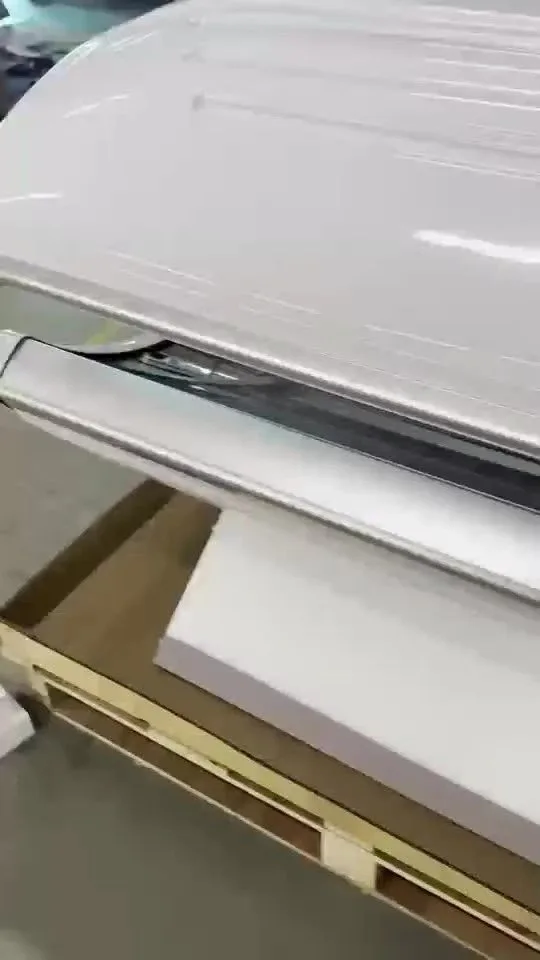
Choose parameters according to the market position you want:
- Wavelengths — 660 nm and 850 nm are common for combined skin and deeper tissue targets. MK‑0001 lists 660 nm and 850 nm and can be customized to other wavelengths; pick wavelengths that support the outcomes you plan to communicate without making medical claims.
- Irradiance — higher irradiance shortens session time but increases thermal and electrical design needs. MK‑0001 declares 80–160 mw/cm²; set your target within that range to avoid reengineering optics or cooling.
- LED count and power — MK‑0001 shows LED quantity options (3500 big LEDs or 26400 small LEDs) and declared actual power of 3.5–4.5 kW. Higher LED counts and power increase per‑unit cost, shipping weight and electrical installation requirements.
Manufacturing & QC you should verify
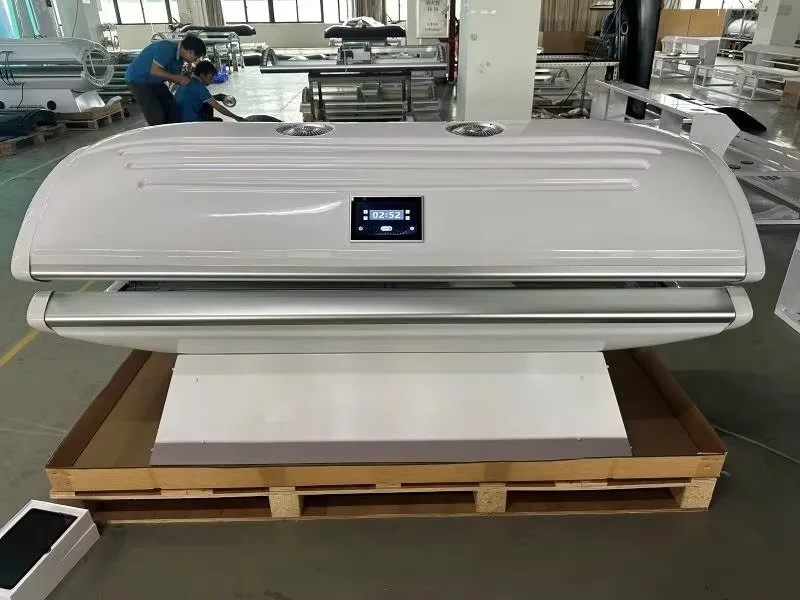
When you evaluate MAIKONG or any OEM, confirm these production and quality checkpoints:
- Vertical integration: MAIKONG runs in‑house molding and PCB assembly — that reduces variability between prototypes and production runs.
- PCB and driver layout: request driver schematics or driver part numbers and verify per‑channel control if you need individual wavelength control.
- Lensing and irradiance verification: ask for measured irradiance maps at defined distances and typical test reports.
- Cooling and thermal management: MK‑0001 uses multiple fans per compartment; heat testing and run‑in reports should be provided for continuous commercial use.
- End‑of‑line testing: request a description of functional tests (power, frequency control, safety interlocks) and PCB test evidence.
Regulatory and labeling practicalities for U.S. sellers
MAIKONG declares ISO 9001, CE and ISO 13485 in our company profile. These are manufacturer declarations that document quality systems but do not, by themselves, authorize therapeutic claims in the U.S. Practical points for U.S. brands:
- Labeling and claims: you are responsible for marketing claims and ensuring they do not constitute an unauthorized medical claim.
- Electrical compliance: MK‑0001 lists Input Voltage 220v 30A and a US plug type; confirm whether a 120V/240V U.S. variant or onsite electrician is needed. We note there is missing country‑specific electrical installation guidance and you should confirm installation details before sale.
- Documentation: ensure you receive a bill of materials, user manual text for your label, and CE/ISO documentation copies if you require them for distribution agreements.
Order sizes, lead times and scaling: from sample to repeat orders
MAIKONG declares an MOQ of 1 and a standard lead time of 15–21 days for MK‑0001 base builds. Practical workflow:
- Request quote and confirm electrical variant and spectra.
- Approve sample build (1 unit) and test locally for compliance and user experience.
- Approve small pilot batch and finalize packaging and manuals.
- Scale to regular production runs; agree on retooling or bulk component lead times (LED supply, drivers).
Realistic scaling factors: LED shortages, custom mold timelines and firmware changes are the most common causes of delay when moving from pilot to larger quantities.
Commercial terms that matter for private‑label deals
Key terms to negotiate and include in your purchase agreement:
- Warranty period and coverage: MAIKONG lists 1 Year warranty for MK‑0001; clarify what is covered (LEDs, drivers, fans) and excluded (cosmetic damage, misuse).
- Spare parts and service: specify lead times for spare modules and whether free spare parts are supplied (MAIKONG indicates free spare parts availability in product info).
- Packaging and labeling responsibilities: who produces and approves packaging artwork and compliance text.
- IP and ownership of firmware/custom graphics: define who owns custom firmware builds and whether source code or binaries are delivered.
How to frame technical requirements when requesting a quote — copy‑paste checklist
Use this checklist in your first RFQ to get a meaningful reply:
Brand name & logo (attach AI/PDF)
Target product model: MK-0001 base or custom
Target wavelengths (list nm) and relative power mix
Target peak irradiance (mw/cm²) and test distance
Desired session durations / preset protocols
Controls/UI: basic timer / touchscreen / remote / app
Electrical variant required (confirm US line voltage / plug)
Shipping destination (city, state, USA)
Initial quantity (sample 1 + pilot qty)
Required documentation: BOM, test reports, manual language
Warranty expectations & spare parts request
Desired lead time
Sample timeline: from specification to first shipment — key milestones to manage
Typical project milestones for a private‑label MK‑0001 build:
- Week 0: RFQ sent with checklist and brand assets.
- Week 1–2: Quote and preliminary technical clarifications.
- Week 2–4: Sample/prototype build and delivery (MOQ 1 declared)
- Week 4–6: Sample testing, labeling approval and firmware tweaks.
- Week 6–8+: Pilot batch production, packing approvals, and first shipment (lead times vary with custom tooling).
Note: MAIKONG lists a standard lead time of 15–21 days for MK‑0001; custom molds, certification or large orders will extend the timeline.
Manufacturing checklist for your acceptance testing (copy into your SOP)
- Verify measured irradiance map and driver settings at the specified distance.
- Run thermal stress test for continuous 30–60 minute session.
- Confirm firmware presets and UI text (language and safety warnings).
- Confirm packing list, spare parts, and service contact information for U.S. distribution.
FAQ (short)
Can MAIKONG change the wavelengths on MK‑0001?
Yes — MK‑0001 lists customizable wavelengths (examples include 450nm, 589nm, 635nm, 660nm, 810nm, 850nm, 940nm). Specify exact wavelengths in your RFQ so we can confirm LED availability and any impact on lead times.
Does MK‑0001 work on U.S. mains without modification?
MAIKONG declares Input Voltage 220v 30A and a US plug type for MK‑0001; you must confirm your local electrical installation plan. We note missing country‑specific electrical installation guidance and recommend confirming whether a 120V variant or electrician changes are required for your site.
Risks & limitations to be clear about
Manufacturer declarations are not the same as independent certification for a specific marketed claim. You must not present the device as a medical cure; regulatory and claims risk sits with the brand. Also, any spectrum, irradiance or electrical change outside MK‑0001’s declared parameters will usually require retesting and may add cost and time. Finally, country‑specific electrical guidance for U.S. installations is not provided in the product listing and should be confirmed before sale or installation.
Next step — request a configuration or a sample quote
If you’re ready to proceed, send your checklist and brand assets to us and we’ll supply a configuration quote, sample build options and documentation required for U.S. distribution.
Contact: lucy@maikongbed.us or +8613510907401. Learn more about our base platform here: Red light therapy bed.
Disclaimer: Content here is for product selection and operational planning only and does not replace professional medical advice. We do not promise diagnosis, treatment, or cure of medical conditions. You are responsible for compliance with U.S. regulatory labeling and electrical installation requirements.
This content is provided for learning, information sharing and professional communication only. It is not medical advice and is not a basis for treatment or diagnosis. Confirm suitability, operation and purchasing requirements against the product manual, local regulations and qualified professional guidance.
Contact us byWhatsApp Online:
Maybe you like also
Copy©2025