Red light therapy bed Manufacturer For US

Combining Cervical Orthotic Block Therapy with Red/near‑Infrared Light: Practical Guidance for Longevity Enthusiasts
October 11, 2026
Quick answer
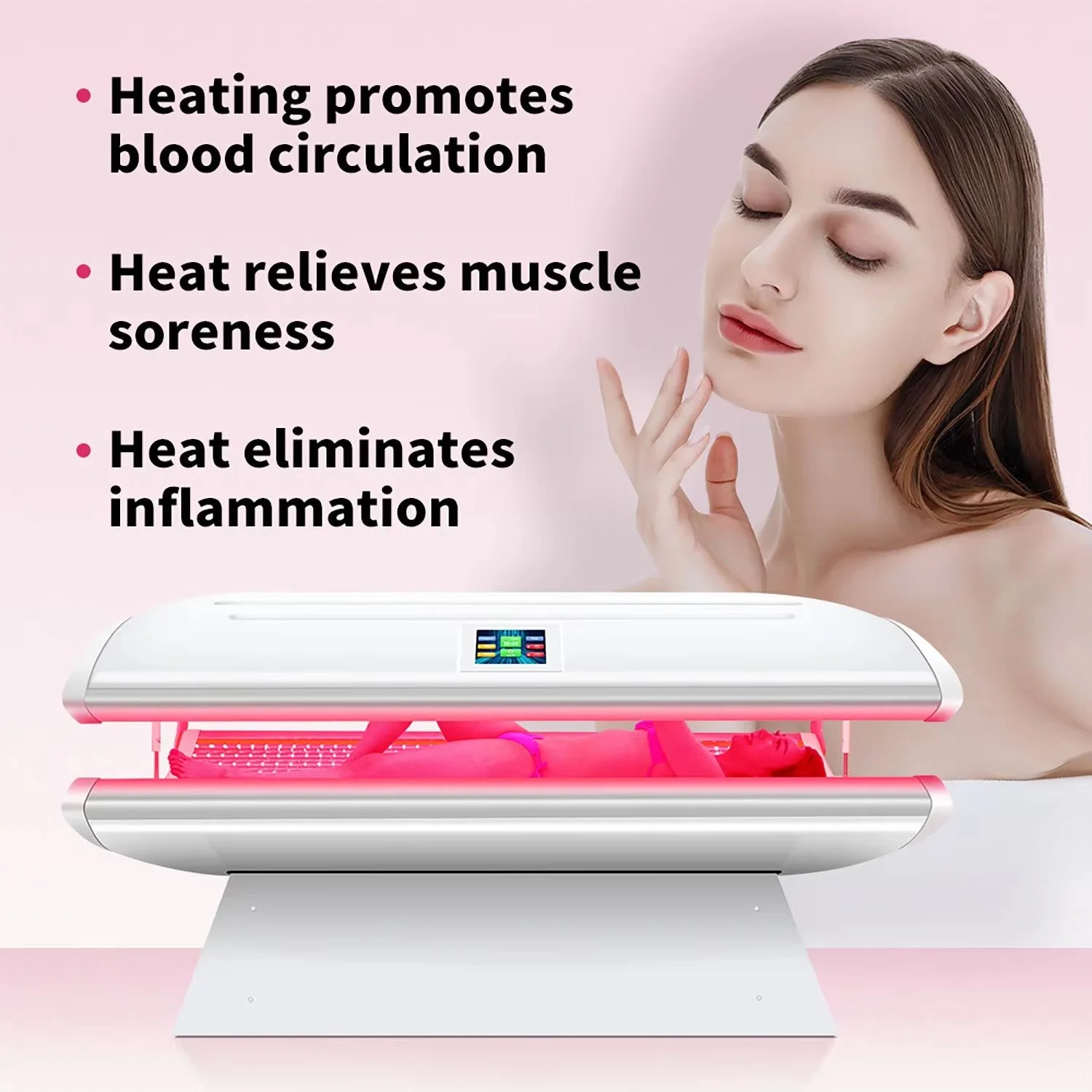
Yes — combining cervical orthotic block therapy (mechanical alignment/traction using blocks or supports) with red/near‑infrared photobiomodulation is a reasonable, commonly used clinical approach for conservative neck care and recovery-focused wellness programs. Practically, the safest, most controllable option is to perform orthotic block positioning first, then apply calibrated red/near‑infrared light while the neck is supported. If you plan to use a MAIKONG MK-0001 full‑body red/infrared light bed for neck treatments, the device provides 660 nm and 850 nm wavelength options, pulse/dimming control and an irradiance range we report at 80–160 mW/cm², all of which support targeted neck exposure; however, individual dosing, session length and contraindications require device‑manual parameters or medical clearance before treatment. data-citation-section=”direct-answer”
Contents
How each therapy works — plain language
Cervical orthotic block therapy uses shaped supports, wedges or manual block placements to unload, align, or gently traction the cervical spine. The goal is mechanical: change positioning, reduce focal pressure, and create an environment where tissues can relax or be stretched in a controlled way.
Red and near‑infrared light therapy (photobiomodulation) delivers specific wavelengths of light to tissue to influence cellular activity. At commonly used wavelengths — including 660 nm (red) and 850–940 nm (near‑infrared) — light penetrates skin and superficial tissues, interacts with mitochondrial chromophores, and can modulate cellular metabolism, inflammation signaling and circulation. Those mechanisms make it a complementary, non‑invasive modality to pair with mechanical approaches.
What longevity‑focused clients care about: goals, realistic outcomes and limits

Evidence & safety overview: what each therapy can and cannot do

Photobiomodulation has published evidence for reducing inflammation and supporting tissue repair in soft tissues and skin; it is frequently used for pain relief and recovery applications. Orthotic block therapy is a conservative physical‑therapy adjunct used to modify load and posture. Combining them targets both the mechanical and cellular environment, which is logically complementary.
From a device standpoint, MAIKONG’s full‑body red/infrared bed (model MK-0001) lists 660 nm and 850 nm wavelengths as standard options and reports an irradiance range of 80–160 mW/cm² with pulse/dimmable capability — parameters that allow clinicians to select spectrum and power appropriate for superficial (skin/soft‑tissue) and somewhat deeper targets in the neck. These product parameters are manufacturer‑reported facts for MK-0001 (data-fact-id=”127″).
Limits and practical safety notes: photobiomodulation is non‑invasive and generally well tolerated, but avoid direct eye exposure and follow device manuals and local regulatory guidance. Photobiomodulation is an adjunct — not a substitute — when there are signs of serious neurological compromise, infection, acute fracture, or when a treating physician recommends other care.
Practical protocol: session flow for combining cervical orthotic blocks with red/near‑infrared light
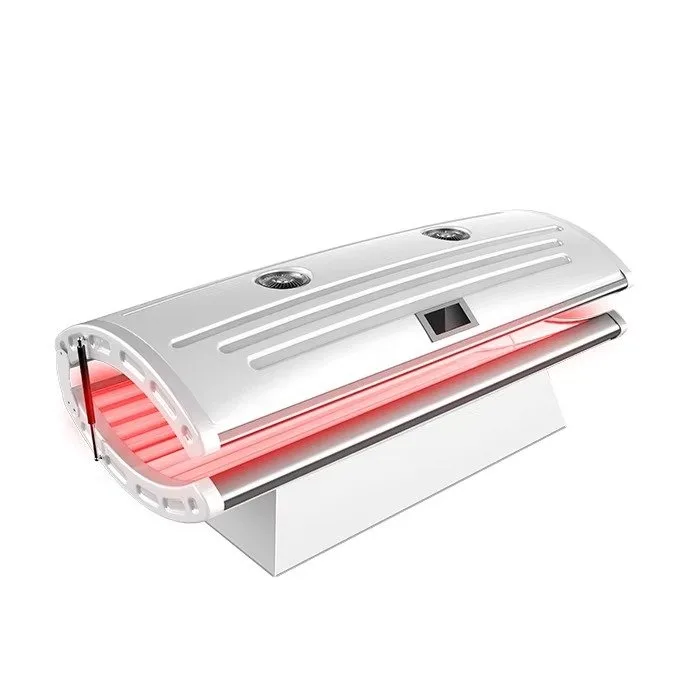
Below is a clinician‑oriented workflow we use when integrating these therapies in a longevity or recovery program. The exact timings and light dose settings must come from your device manual or a qualified clinician; MAIKONG’s MK-0001 supports per‑wavelength control and pulsing to enable protocol customization (data-fact-id=”127″).
- Pre‑screen: check for contraindications, implanted devices, recent cervical surgery or instability; obtain medical clearance if needed.
- Positioning: apply orthotic blocks or cervical support while the client is supine or seated to achieve the intended mechanical effect (relaxation, gentle traction or neutral alignment).
- Light exposure: with the neck supported, place a calibrated light source over the cervical region. If using a full‑body bed like MK-0001, ensure the neck zone is aligned to the lamp array and that eyes are protected.
- Adjust spectrum and pulse: choose red (∼660 nm) for more superficial effects and near‑infrared (∼850 nm) for deeper penetration; use device pulse/dimming options as clinically appropriate (MK-0001 reports 1–5000 Hz frequency control and 0–100% power adjustment — data-fact-id=”127″).
- Monitoring: watch for discomfort, skin temperature rise or any neurological symptoms; stop and reassess if adverse signs appear.
- Aftercare: remove blocks and reassess range of motion, pain rating and functional metrics; provide home instructions as needed.
Because device manuals and clinical judgment determine exposure times and power, we do not provide fixed timing or dose here. Refer to the MK-0001 manual for model‑specific operating parameters or consult a clinician for a protocol matched to your condition.
Positioning and device selection: choosing wavelengths, irradiance and device type

For neck treatments you should match penetration needs to wavelength: around 660 nm is more surface‑oriented; 850 nm penetrates deeper into soft tissues. The MK-0001 supports both 660 nm and 850 nm as standard options and allows customized spectra if you require additional bands (data-fact-id=”127″). Important device choices for neck work include:
- Wavelength availability (660 nm / 850 nm are provided on MK-0001).
- Irradiance capability — higher irradiance shortens exposure time for a given dose; MK-0001 reports 80–160 mW/cm² (data-fact-id=”127″).
- Pulse and power control — useful for titrating comfort and biological responses; MK-0001 lists 1–5000 Hz frequency control and 0–100% power adjustment (data-fact-id=”127″).
- Geometry and beam concentration — lens angle (30° on MK-0001) and lamp layout affect how uniformly the neck is treated (data-fact-id=”127″).
Timing, dose and frequency considerations when pairing therapies
Dose planning is a clinical decision: you must combine irradiance, treatment area and session time to achieve a target energy delivery. Because MAIKONG supplies per‑wavelength power and pulse control on MK-0001 (data-fact-id=”127″), these device features make clinical titration feasible. If you do not have an institutional protocol, coordinate with a physical therapist or clinician to define safe starting parameters and an objective progression plan.
Comfort, monitoring and contraindications to watch for during combined sessions
Always protect eyes from direct exposure. Monitor skin temperature and comfort; discontinue if the client reports worsening neurological symptoms. For persons with implanted electronic devices, known cervical instability, recent cervical surgery or active systemic illness, obtain medical clearance. We do not provide medical advice here — consult a treating clinician for condition‑specific contraindications.
Operational tips for a longevity clinic or home user
- Set up: ensure electrical supply matches the device requirements and that the treatment area allows clear access to the neck zone. MK-0001 lists input voltage and plug type among its specifications — verify those in the model manual before installation (data-fact-id=”127″).
- Staff training: train staff on positioning blocks consistently and on MK-0001 controls for wavelength, power and pulse. Keep operational checklists and a simple adverse‑event flowchart.
- Patient instructions: explain the dual nature of the session (mechanical support + light) and document baseline pain, mobility and relevant history.
- Maintenance: follow MAIKONG maintenance guidance; the MK-0001 lists cooling fans, individual LED drivers and a one‑year warranty (data-fact-id=”127″).
Realistic expectations: measurable goals, tracking progress, and when to escalate
Use simple, repeatable metrics: numeric pain rating, neck range of motion, functional tasks and sleep quality. Improvements, when they occur, are often gradual. Escalate to medical care if you observe progressive neurological deficits, new weakness, numbness, bowel/bladder changes, or rapidly worsening pain despite conservative care.
Evidence, uncertainties and safety limits
Photobiomodulation and mechanical block therapy each have published and practical support for symptom management and recovery; combining them is mechanistically sensible. However, device‑specific clinical outcomes depend on exact dosing, patient selection and technique. MAIKONG provides device specifications for MK-0001 (wavelengths, irradiance, pulse control) so clinics can design protocols, but those specifications are manufacturer‑reported and should be used alongside clinical judgement and peer‑reviewed guidance (data-fact-id=”127″). We do not claim that these combinations cure specific diseases.
Short FAQ
Can I use a full‑body bed like MK-0001 to target the neck?
Yes — MK-0001 lists the head and neck among its target areas and provides wavelength and power control useful for neck treatments (data-fact-id=”127″). Proper positioning and eye protection are essential.
Do I need medical clearance before combining these therapies?
If you have implanted electronic devices, recent cervical surgery, known instability, or systemic illness, obtain medical clearance. For routine wellness use in healthy individuals, clinical screening and informed consent are still recommended.
Where can I get a protocol specific to my clinic?
Protocols should be developed with a licensed clinician. If you want MAIKONG device configuration advice for MK-0001 to support clinical protocol development, request a tailored configuration or quotation — include your intended applications and electrical supply details (see contact below).
Next step: request a tailored configuration or quote from MAIKONG
- Facility type and intended applications (e.g., recovery clinic, medspa, home use);
- Estimated weekly throughput (how many sessions/day);
- Electrical supply at your site (voltage/amp info) and any installation constraints;
- Whether you require OEM/private‑label options or specific wavelength mixes for MK-0001.
Contact MAIKONG: lucy@maikongbed.us or +8613510907401. Visit our product page for the Red light therapy bed for additional model details: Red light therapy bed.
Brief compliance note: this article provides educational information for health management and device selection; it is not medical advice and does not replace professional diagnosis or treatment. For condition‑specific guidance, consult a licensed healthcare provider.
This content is provided for learning, information sharing and professional communication only. It is not medical advice and is not a basis for treatment or diagnosis. Confirm suitability, operation and purchasing requirements against the product manual, local regulations and qualified professional guidance.
If you operate a longevity clinic, wellness centre or are a serious home‑use buyer in the U.S. and would like a quote or a configuration tailored for neck treatments and combined therapy workflows, contact us with:
Contact us byWhatsApp Online:

Maybe you like also
Copy©2025