Red light therapy bed Manufacturer For US

MitoBOOST™ Intranasal Device — A Practical Evaluation for U.S. Wellness Center Owners
September 18, 2026
Quick answer
You can offer MitoBOOST™ intranasal sessions in a U.S. wellness center, but only after verifying the device’s technical outputs, supplier training and cleaning/consumable procedures. Intranasal units are a targeted, low-footprint service that can complement panels and beds for focused sinus or upper‑airway access, yet they rely on different safety checks and supplier-provided operating parameters. Before listing the service, require the supplier’s device manual, documented wavelength and irradiance data, contraindications list, mandatory client screening items, and a demo or supervised trial for your staff.
Contents
What the MitoBOOST™ intranasal device is — simple, non-technical description
The MitoBOOST™ intranasal device is a compact photobiomodulation tool designed to deliver red/near‑infrared light through a small nasal applicator. It’s marketed for sinus comfort, “immune support,” and brain-health wellness programs by placing LEDs into the nasal cavity’s upper mucosal area to irradiate nearby tissues. The unit’s appeal for centers is its small footprint and low capital cost compared with full-size panels or beds, and the fact that it’s positioned as a single-purpose add-on service rather than a full clinical therapy.
How intranasal light differs from panel and bed treatments (practical comparison)
Intranasal devices target a very small, internal area; panels and beds expose larger external surfaces. That difference matters in three practical ways:
- Depth and target: Panels/beds deliver light over broad skin and muscle areas; intranasal devices focus on mucosa and adjacent structures. Choose intranasal when you want a narrow, inside-the-nose approach rather than whole-face or body coverage.
- Operational setup: Intranasal sessions need strict hygiene and single‑client applicators or disposable tips. Beds/panels require more room and electrical capacity but generally allow hands-off operation for the client.
- Treatment documentation: Because intranasal devices are focused and intimate, informed consent, detailed screening and a record of consumable replacement are more important for center protocols than for a typical panel session.
What intranasal photobiomodulation can reasonably be used for in a wellness setting (evidence‑aware wording)
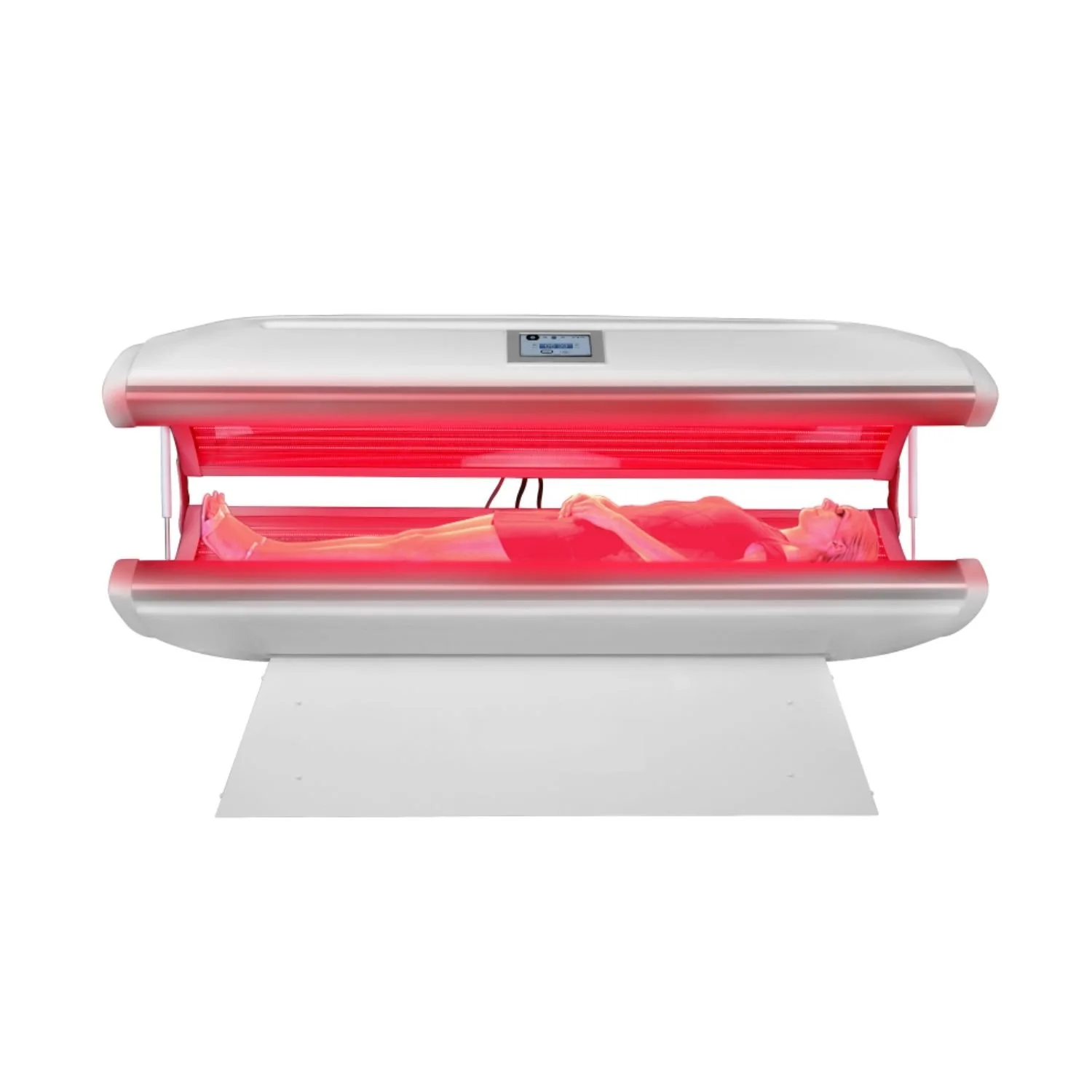
In a non-medical wellness setting, intranasal devices are typically presented to clients for transient sinus comfort, relaxation, and adjunctive support aimed at general well-being. Broader red/near‑infrared therapy (as used in beds and panels) is commonly associated with skin health, pain relief, tissue repair, and sleep/mood improvements — these applications reflect how red light is used industrywide rather than guarantees for any one intranasal product (see MAIKONG overview of red light applications). MAIKONG’s summary of red‑light bed applications shows the range of uses for photobiomodulation but does not substitute for device‑specific clinical data.
For MitoBOOST™ specifically, ask the supplier for published studies or technical evidence that link intranasal irradiation to the claims they make. If such evidence is absent or limited, position the service as a wellness or comfort option and avoid medical claims.
What practical evidence or product details to ask the supplier before listing or using the device
- Device manual and operator training availability — confirm on-site or remote training for staff.
- Exact wavelengths and how they were measured; ask for spectral output data (nm) and measurement method.
- Irradiance (mW/cm²) at the applicator surface and any recommended exposure ranges; request test reports or factory measurements.
- Control modes: continuous vs. pulsed output, adjustable power settings, and how settings are documented.
- Consumables and disposables: tip types, replacement schedule and costs, recommended cleaning agents and protocols.
- Electrical requirements and plug type for U.S. operations; confirm whether additional adapters or power supplies are needed.
- Regulatory and safety documentation: CE, ISO, or other supplier declarations; do not infer regulatory status — request copies if claimed.
- Warranty terms, spare‑parts availability and the supplier’s training or service package for commercial sites.
Safety, contraindications and client screening checklist for wellness staff (practical operating steps)
Because intranasal applicators contact mucosal tissue, your staff should treat the device as a semi‑invasive wellness tool from a hygiene and screening perspective. Follow the supplier manual first; the checklist below is a practical starting point for building your own protocol.
- Pre‑session screening form: ask about recent nasal or sinus surgery, active nosebleeds, implanted electronic devices (pacemakers, neurostimulators), pregnancy, and use of photosensitizing medications. Require medical clearance where indicated by the supplier.
- Consent: written client consent stating the session is for wellness and not a medical treatment; note device model and serial number in the record.
- Hygiene and consumables: use single‑use disposable tips where available, or validated disinfection between clients per the manufacturer’s procedure.
- Emergency readiness: staff trained to remove the applicator quickly and manage an adverse reaction; keep supplier contact info and device serial accessible.
- Eye protection and position: instruct clients to keep head steady; intranasal light is internal but keep safe distances from the eyes and follow manual instructions about eye safety.
- Post‑session notes: record applicator tip used, settings (per supplier software or device readout), client response, and any adverse events.
Treatment session workflow: step-by-step protocol a center can use for client visits
We recommend adopting a written SOP that your staff can follow and that references the supplier manual for exposed numeric settings and timing. A practical workflow looks like this:
- Arrival & intake: client completes screening and consent forms. Verify ID and note any flags requiring medical clearance.
- Preparation: seat the client comfortably, demonstrate the device, and explain sensations they may feel. Fit disposable nasal tips or sanitized reusable tips as the supplier prescribes.
- Device check: confirm device serial, inspect applicators, confirm settings per the supplier manual, and start the session under staff supervision.
- Monitoring: remain available in the room or antechamber; ask the client to signal discomfort immediately. Do not leave if the supplier requires direct observation.
- Session end: stop device, remove applicators, dispose of used tips and follow disinfection steps. Record the session details in the client record (device model, settings used, tip identifier, staff name, client feedback).
- Follow-up: advise on post-session expectations and when to seek medical care. Schedule subsequent sessions only after assessing client response and supplier‑recommended intervals.
Note: do not set or publish session durations or energy settings without using the supplier’s validated manual. If the manual is missing for a model, do not operate the device.
How intranasal devices fit into a service menu: complementary services and realistic client expectations
Intranasal sessions are best offered as an add-on or short-format service: a focused option for clients seeking sinus comfort, relaxation, or a targeted experience that pairs with broader therapies. They work well bundled with breathing-work sessions, light-panel facials, or mindfulness services. Set expectations clearly: present intranasal sessions as wellness/supportive options rather than medical treatments. Avoid promising diagnostic or curative outcomes.
When not to offer intranasal light in your center and when to recommend medical evaluation
Do not offer intranasal sessions if you lack the supplier manual, cannot verify the device’s safety data, or if a client’s screening flags recent nasal surgery, uncontrolled bleeding, or an implanted electrical device and the supplier’s contraindications list requires medical clearance. Recommend medical evaluation whenever a client reports acute sinus infection signs (fever, severe pain, swollen face), uncontrolled bleeding, or sudden neurological symptoms; do not treat such conditions in a wellness setting.
What to request in a quotation or demo from a supplier (specs, control, replacement parts, electrical and warranty details)
- Device model and serial‑range (so you can track any updates or recalled batches).
- Spectral output: exact wavelengths (nm) and measured irradiance (mW/cm²) at the applicator surface.
- Control interface: how staff select power modes, log sessions and lock settings to prevent accidental changes.
- Consumable pricing and lead times for disposable tips; availability of replacement applicators.
- Electrical requirements and plug type for the U.S.; whether the unit requires an external power supply or adapter.
- Warranty terms, spare‑parts policy and available training packages for commercial use.
- Request a live demo or supervised trial so your staff can practice with the applicator and cleaning procedures.
Quick comparison table (intranasal device vs. handheld vs. panel/bed)
| Device type | Best for | Coverage & depth | Space & setup | Typical commercial considerations |
|---|---|---|---|---|
| Intranasal device (e.g., MitoBOOST™) | Targeted nasal/mucosal access | Small, localized—internal nasal mucosa (limited tissue volume) | Minimal — tabletop or handheld base; strict consumable & hygiene needs | Low footprint; require disposable tips, supplier manual and per-client logging |
| Handheld devices | Spot treatments (joints, scalp, face) | Moderate—surface tissues, focal areas | Portable; staff‑operated | Flexible use across services; staff time required for application |
Short FAQ for buyer concerns
Is intranasal red light safe for client use in a wellness center?
Safety depends on the device and your protocols. Require the supplier manual, documented spectral/irradiance data and cleaning procedures. If those are not available, do not operate the device.
How long should a session be?
Session length and dosing are device‑specific. Ask the supplier for recommended exposure times and do not publish a timing protocol until you have those official recommendations.
What about maintenance and consumables?
Insist on a consumables and spare‑parts list in the quote. For intranasal devices that use disposable tips, confirm unit cost and shelf life. Request a maintenance checklist and expected part lifetimes from the supplier.
Can you tell me the price?
Pricing varies by supplier package, training and consumable volumes. Ask the supplier for a commercial quote; pricing is available on inquiry.
Evidence and reference notes
Limitations and practical risks
Intranasal devices are focused tools with limited published clinical evidence for many claimed outcomes; supplier-provided studies and device measurements are essential. Operating without a manual, operating specifications, or clear consumable procedures increases risk. This article does not provide medical advice; if a client has signs of infection, severe symptoms or complex medical history, refer them to a medical professional.
Short disclaimer: This content is for wellness management and educational reference only. It does not diagnose, treat, cure, or substitute for professional medical advice. Follow the device manufacturer’s manual and consult qualified healthcare providers for medical concerns.
This content is provided for learning, information sharing and professional communication only. It is not medical advice and is not a basis for treatment or diagnosis. Confirm suitability, operation and purchasing requirements against the product manual, local regulations and qualified professional guidance.
If you’d like a hands-on comparison, request a supplier demo and the device manual before you make a buying decision. To discuss commercial configurations, OEM/ODM options or to request MAIKONG’s panel/bed specifications for side‑by‑side planning, contact us: lucy@maikongbed.us or +8613510907401.
Contact us byWhatsApp Online:
Maybe you like also
Copy©2025