Red light therapy bed Manufacturer For US

LED Light Therapy Bed for U.S. Biohacking Centers: Direct Answer and Practical Checklist
October 30, 2026
Quick answer
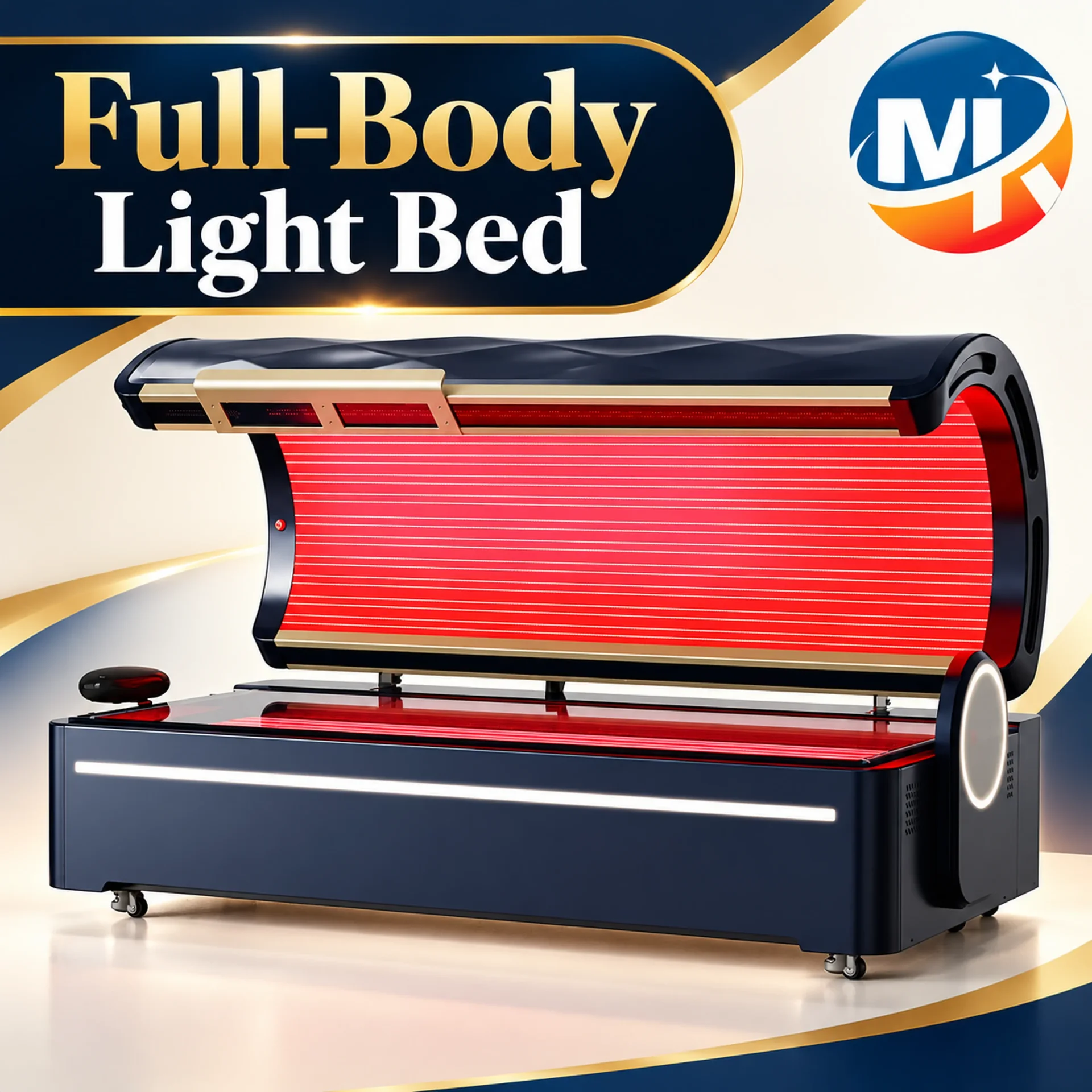
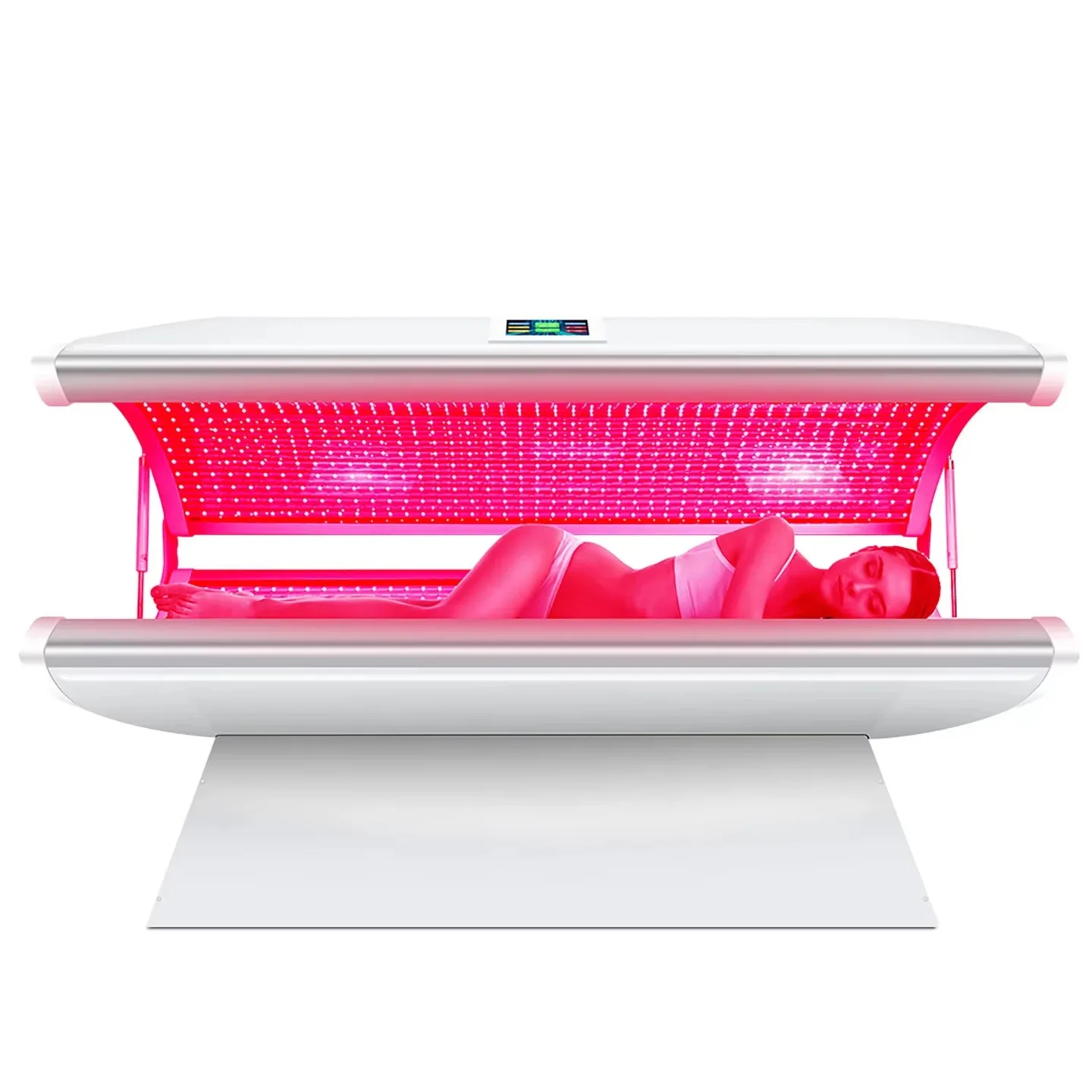
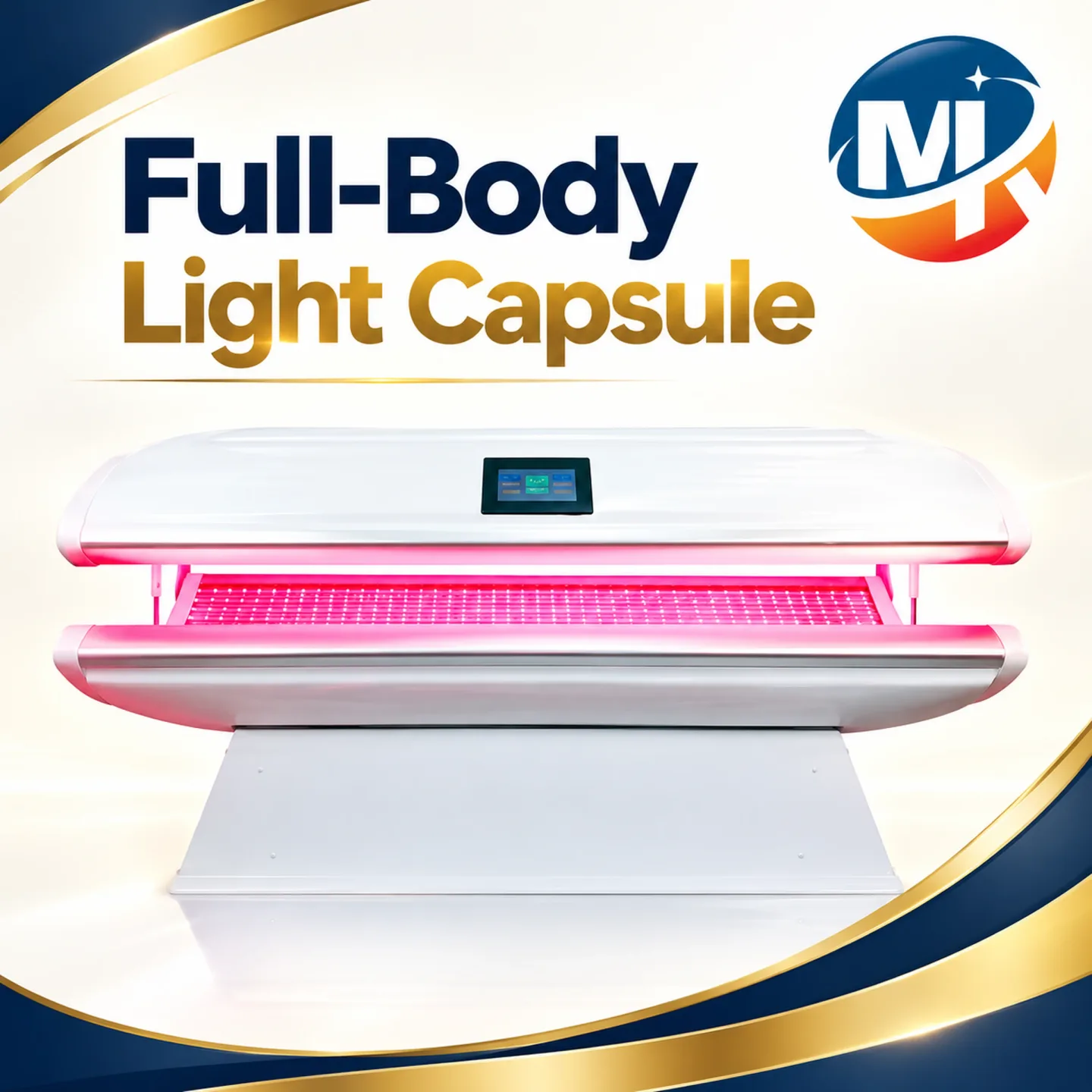
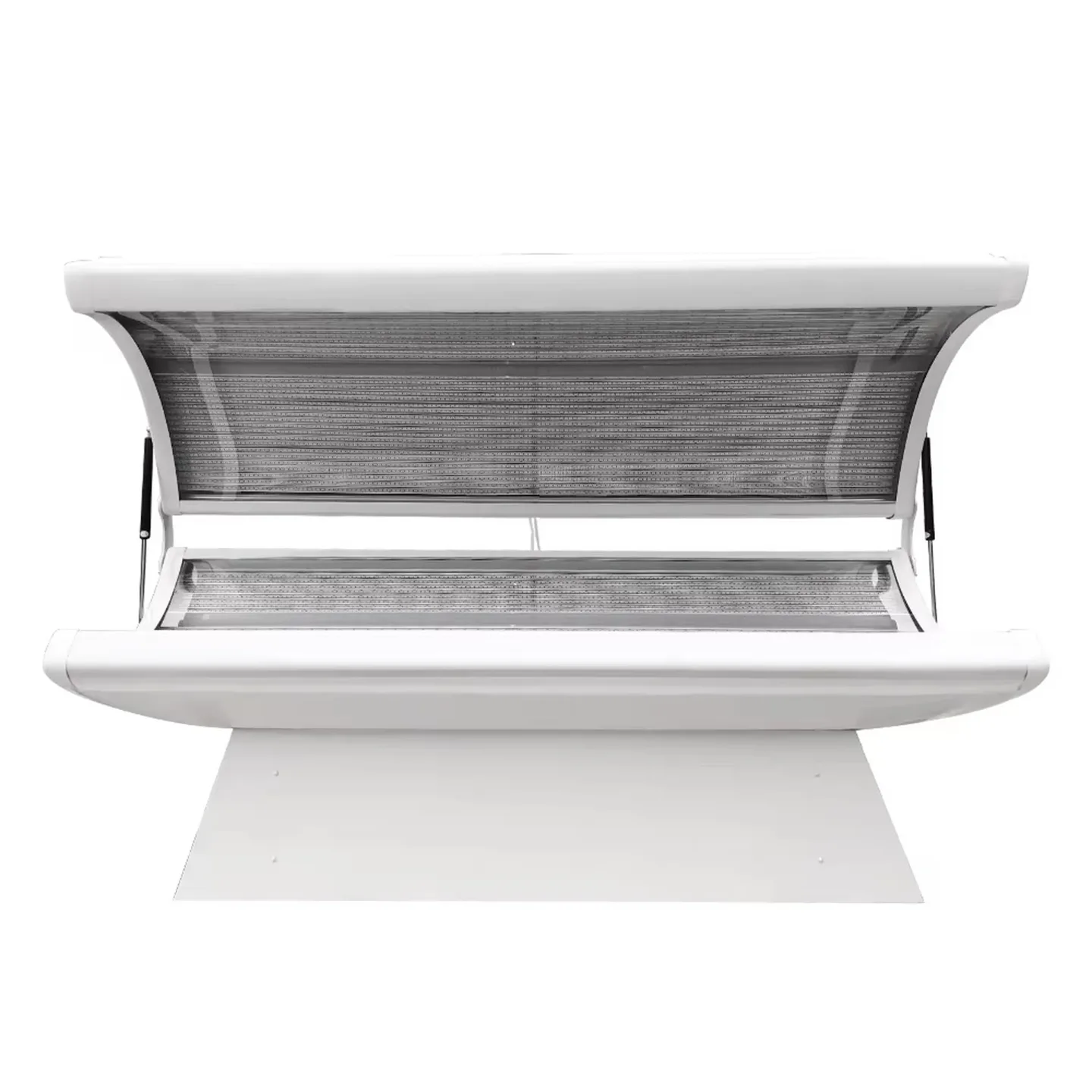
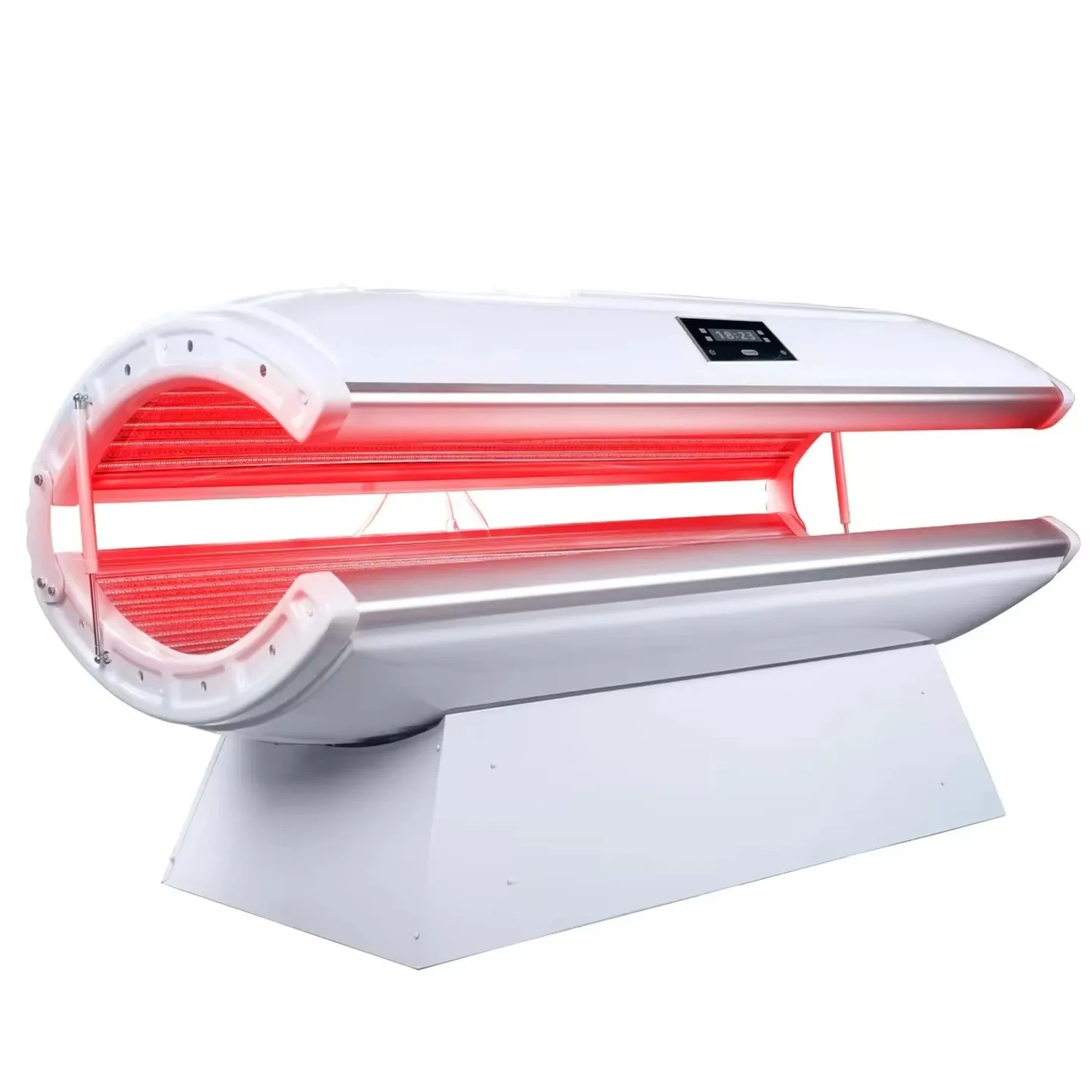
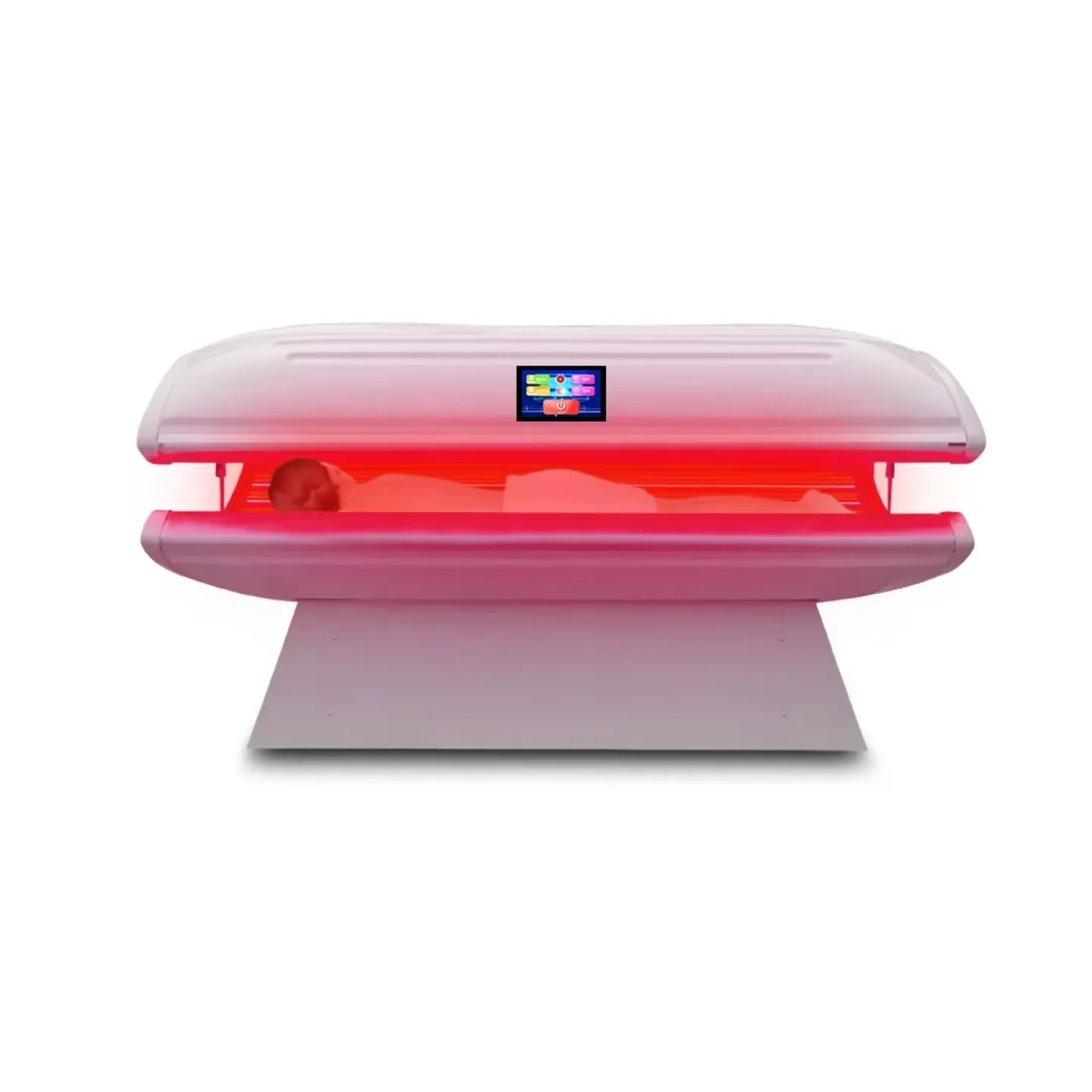
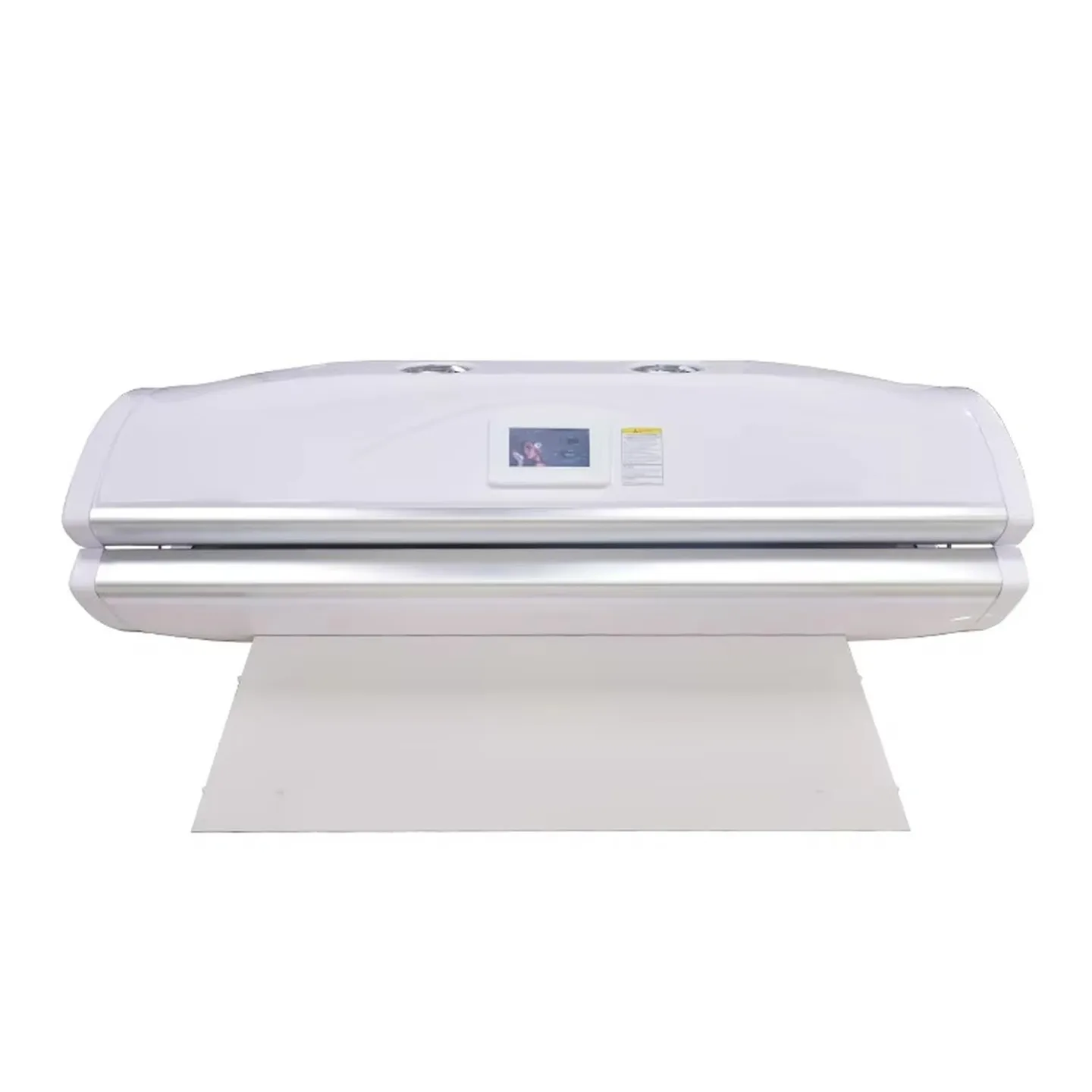
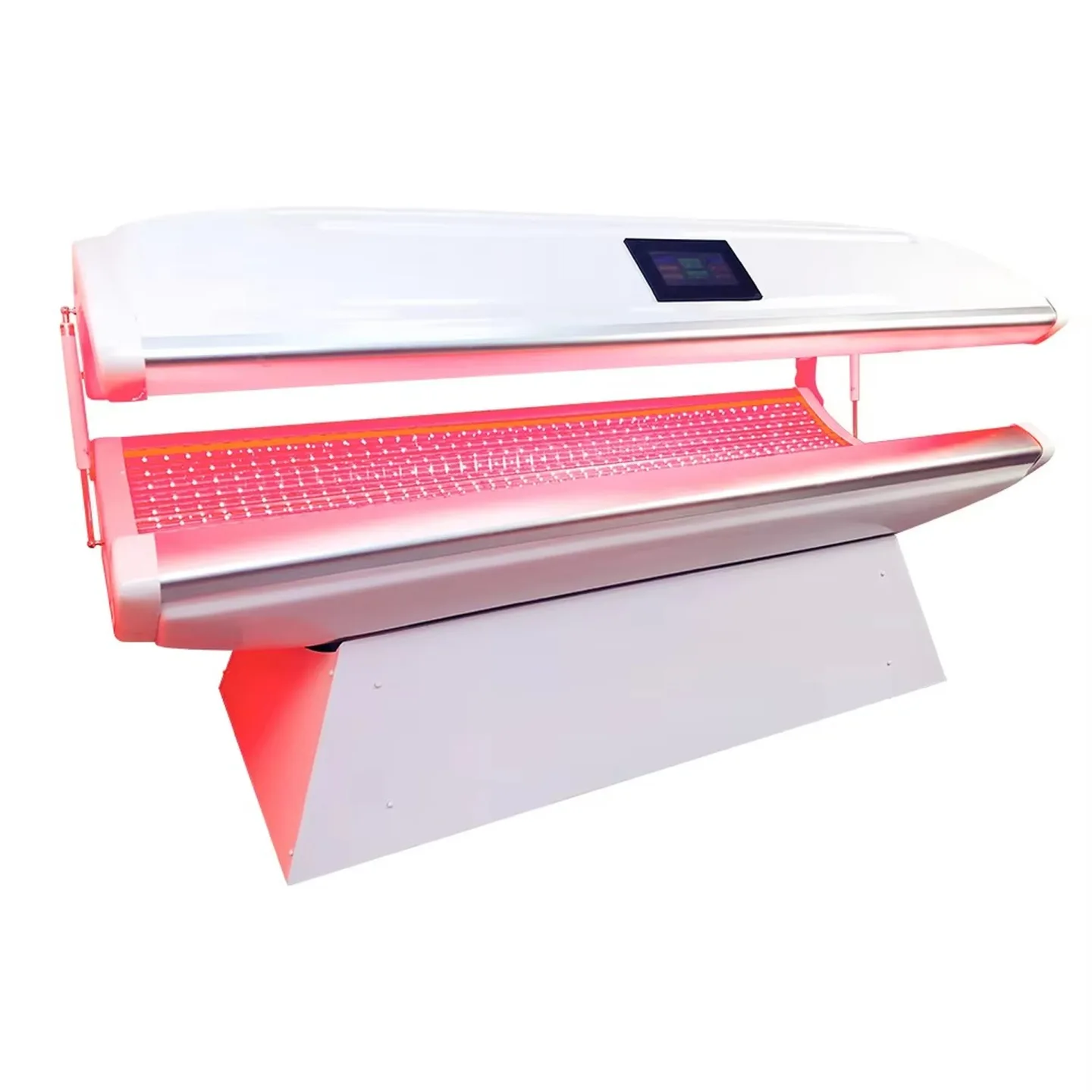
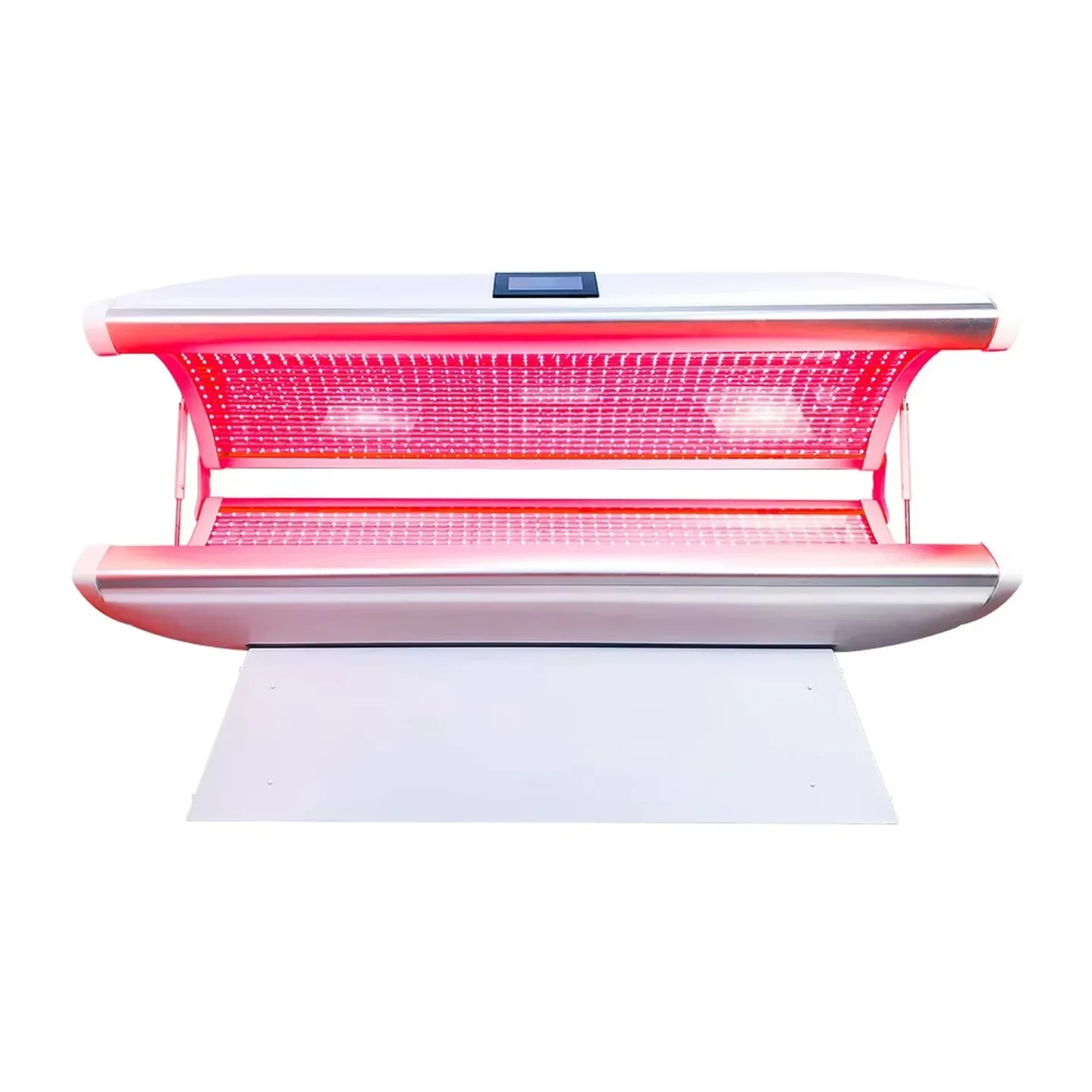
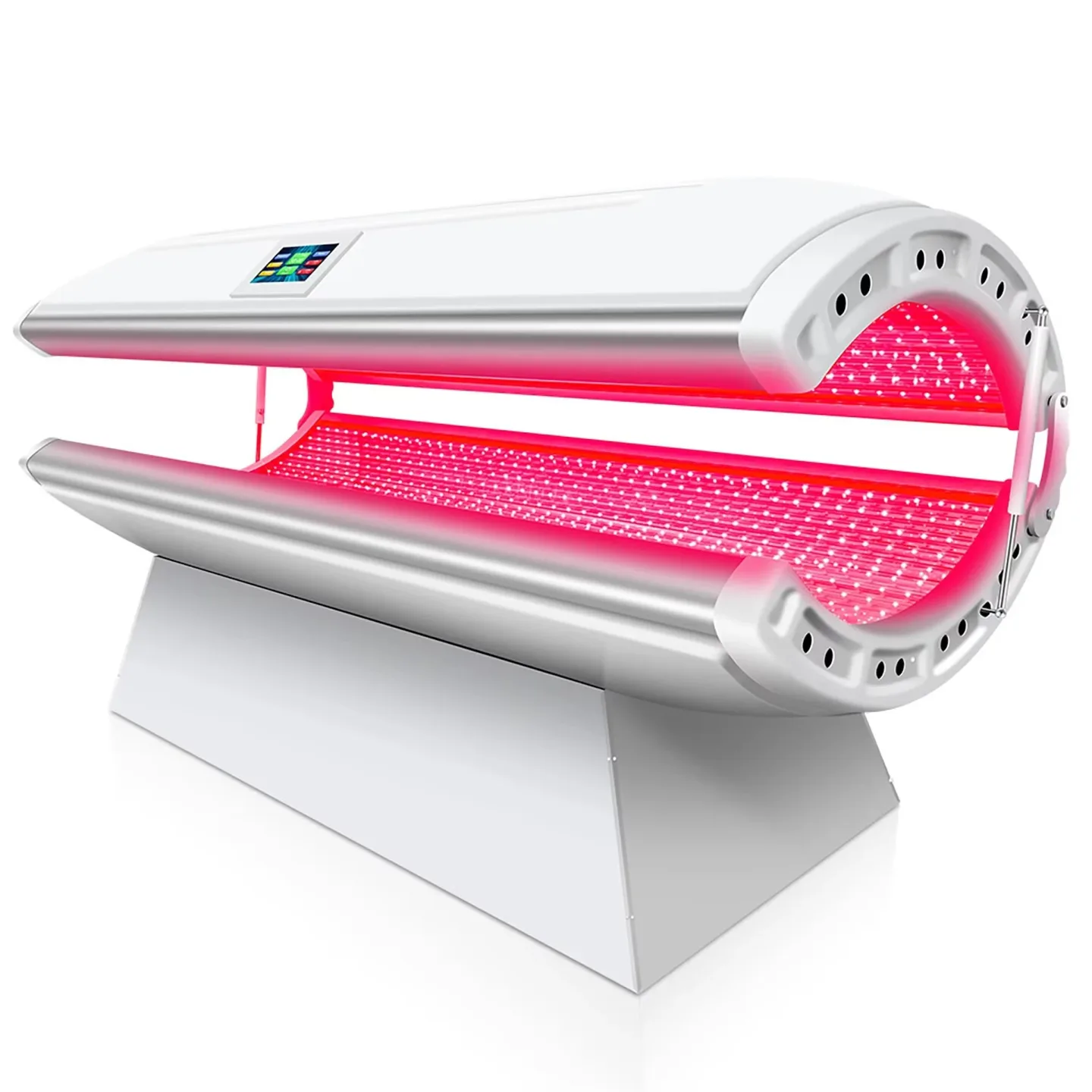
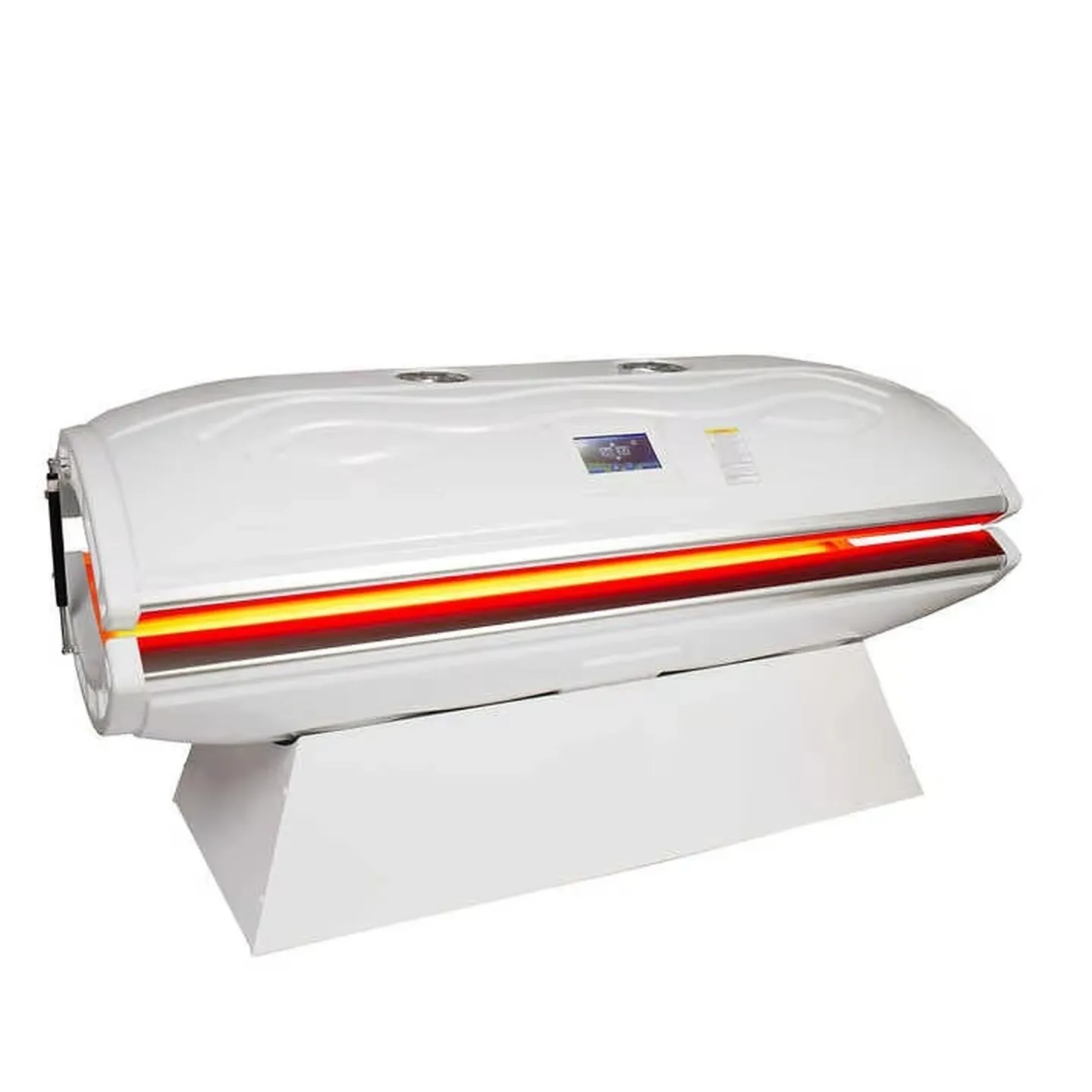
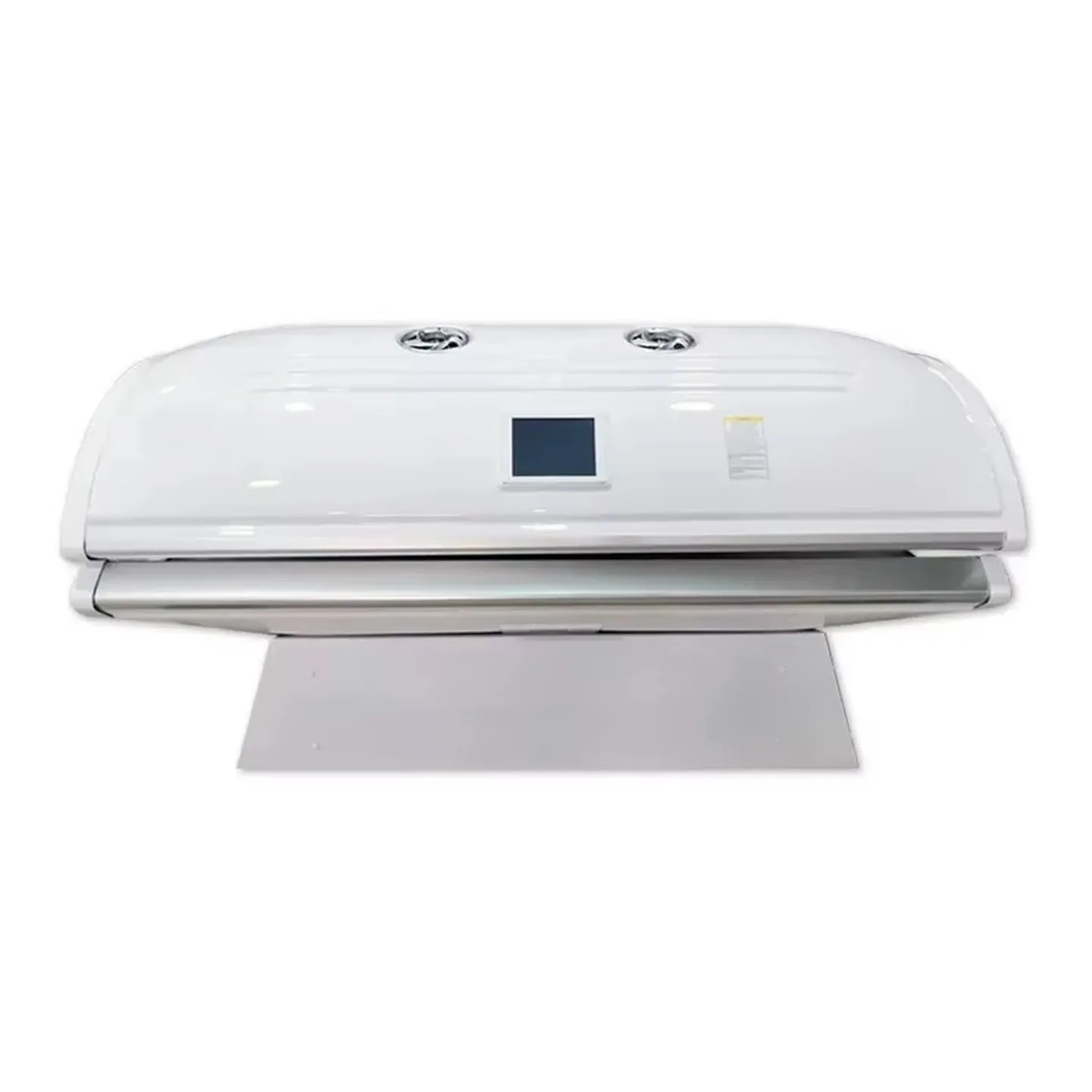
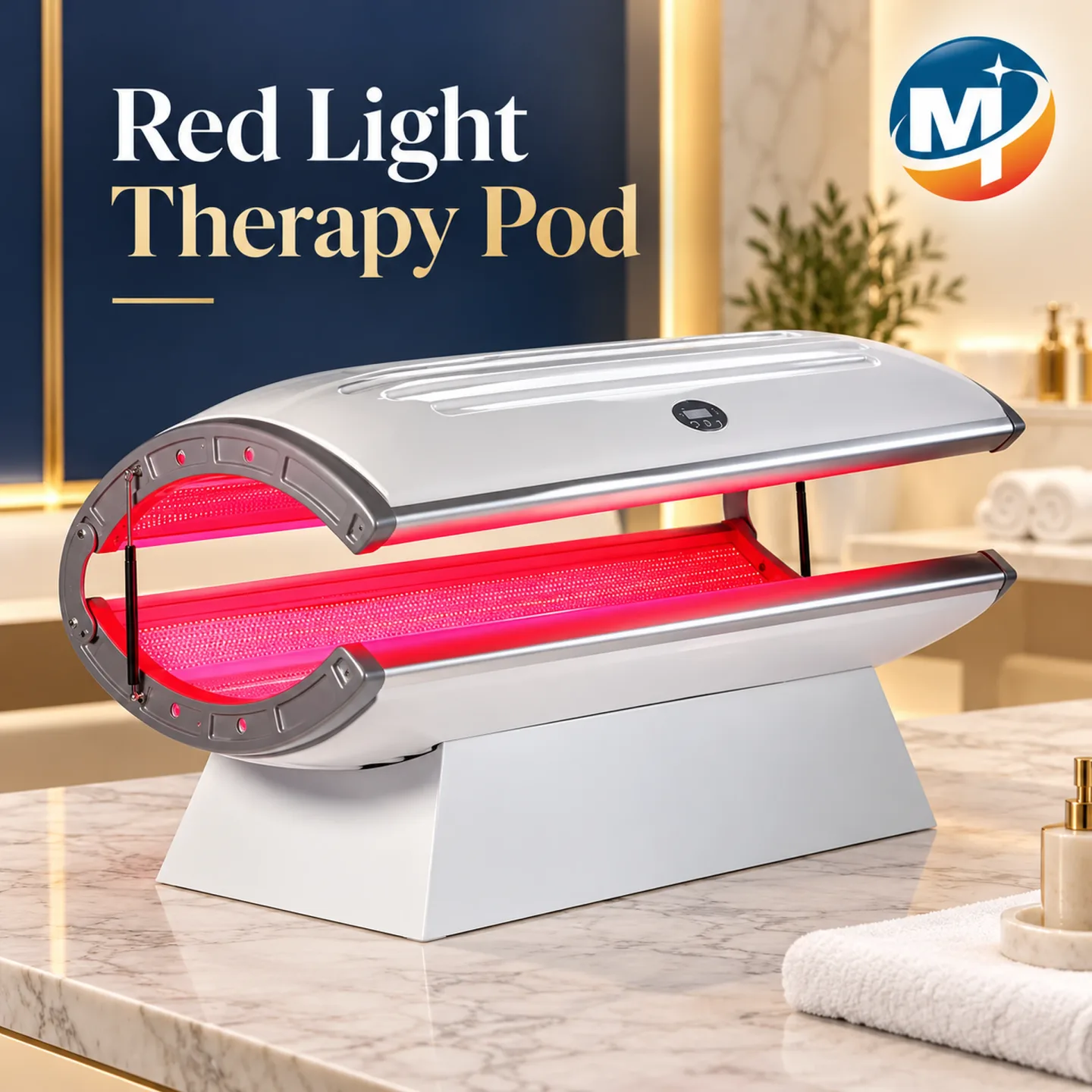
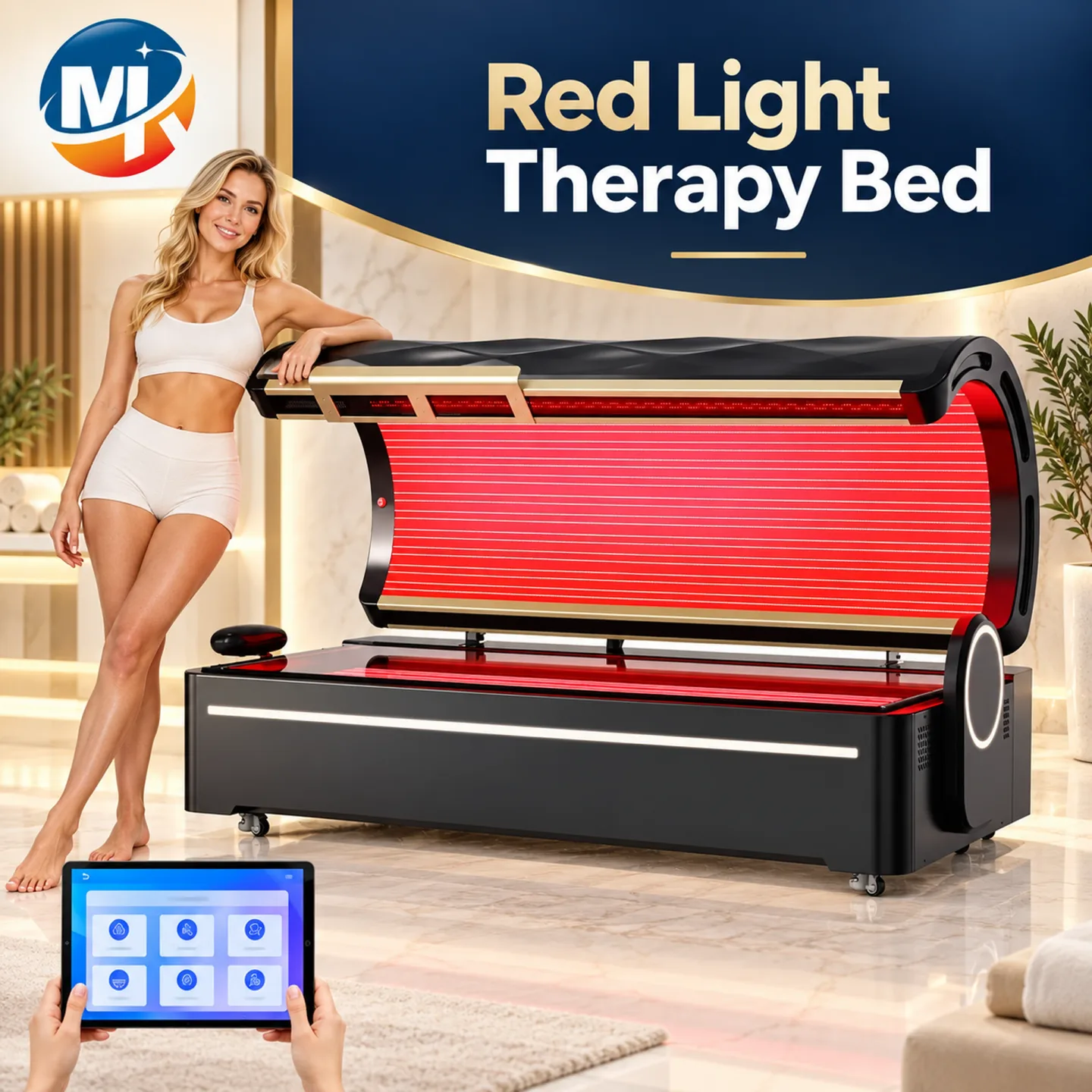
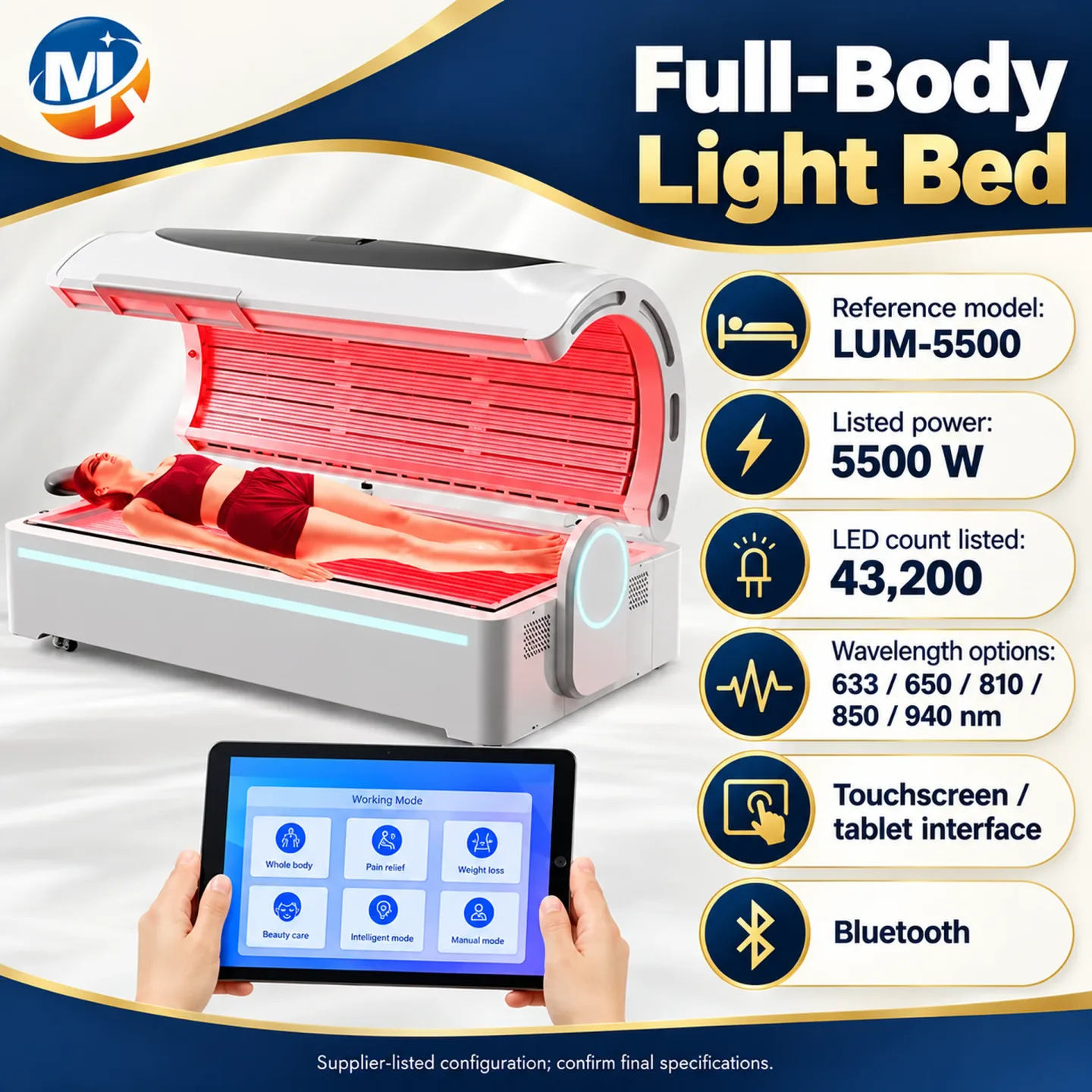
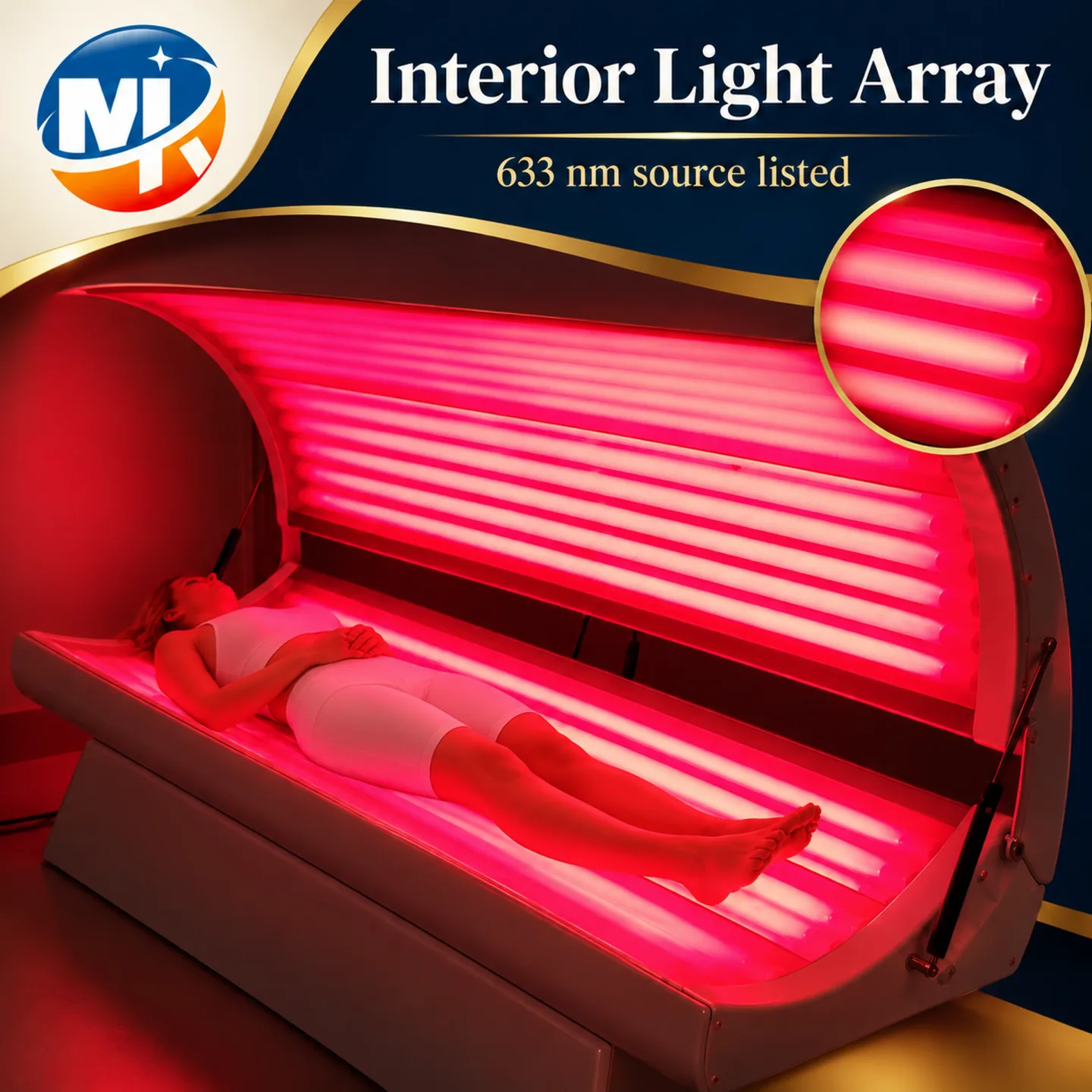
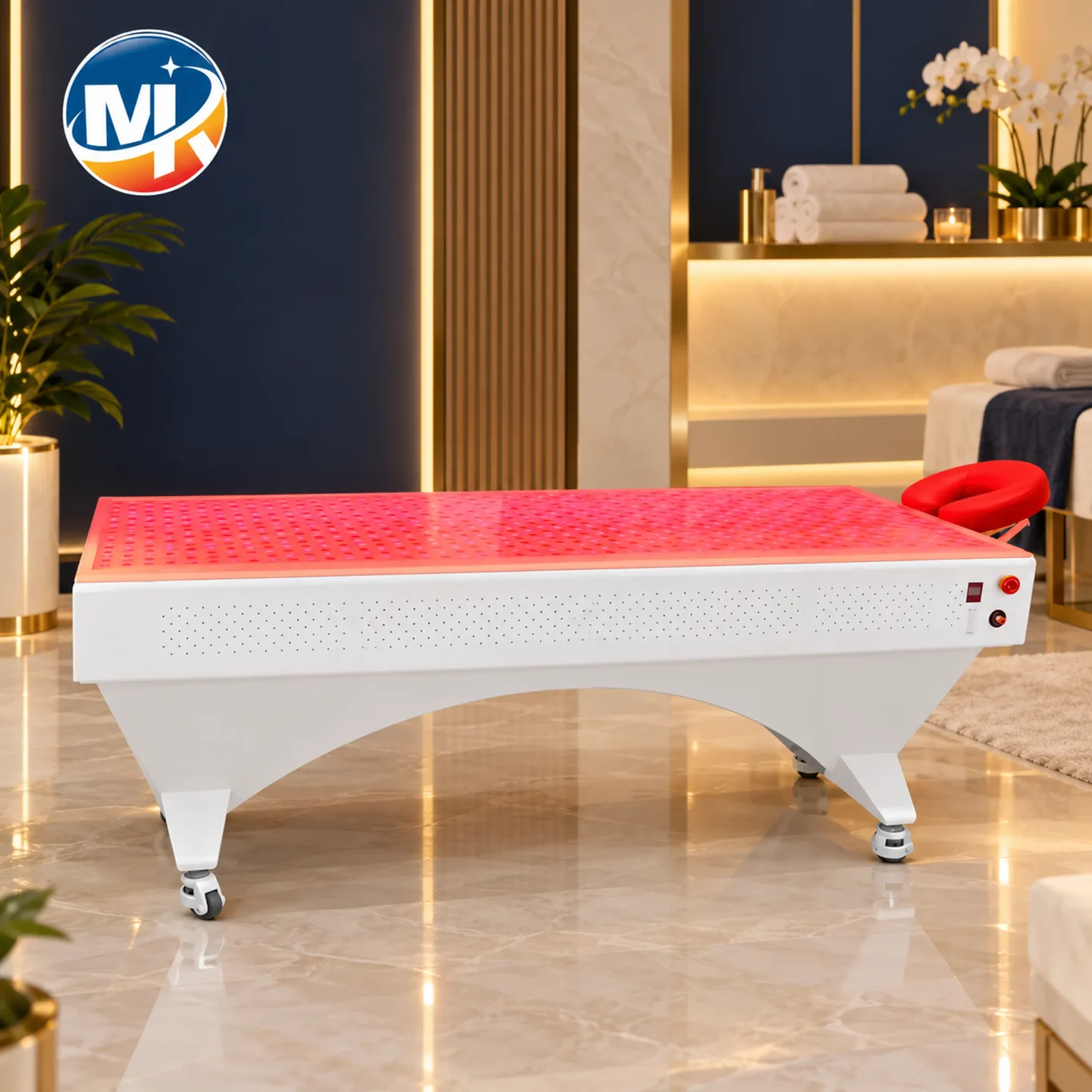
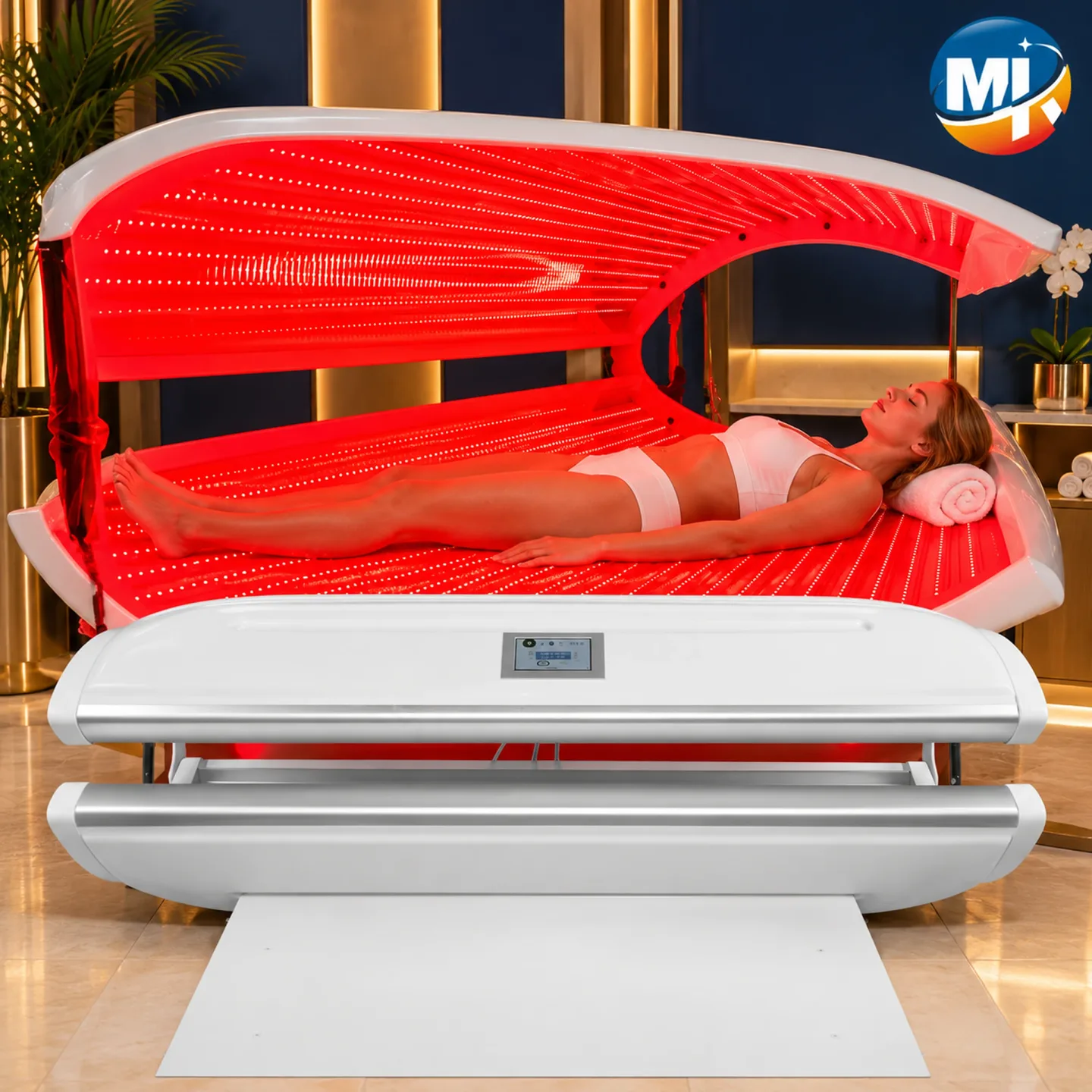
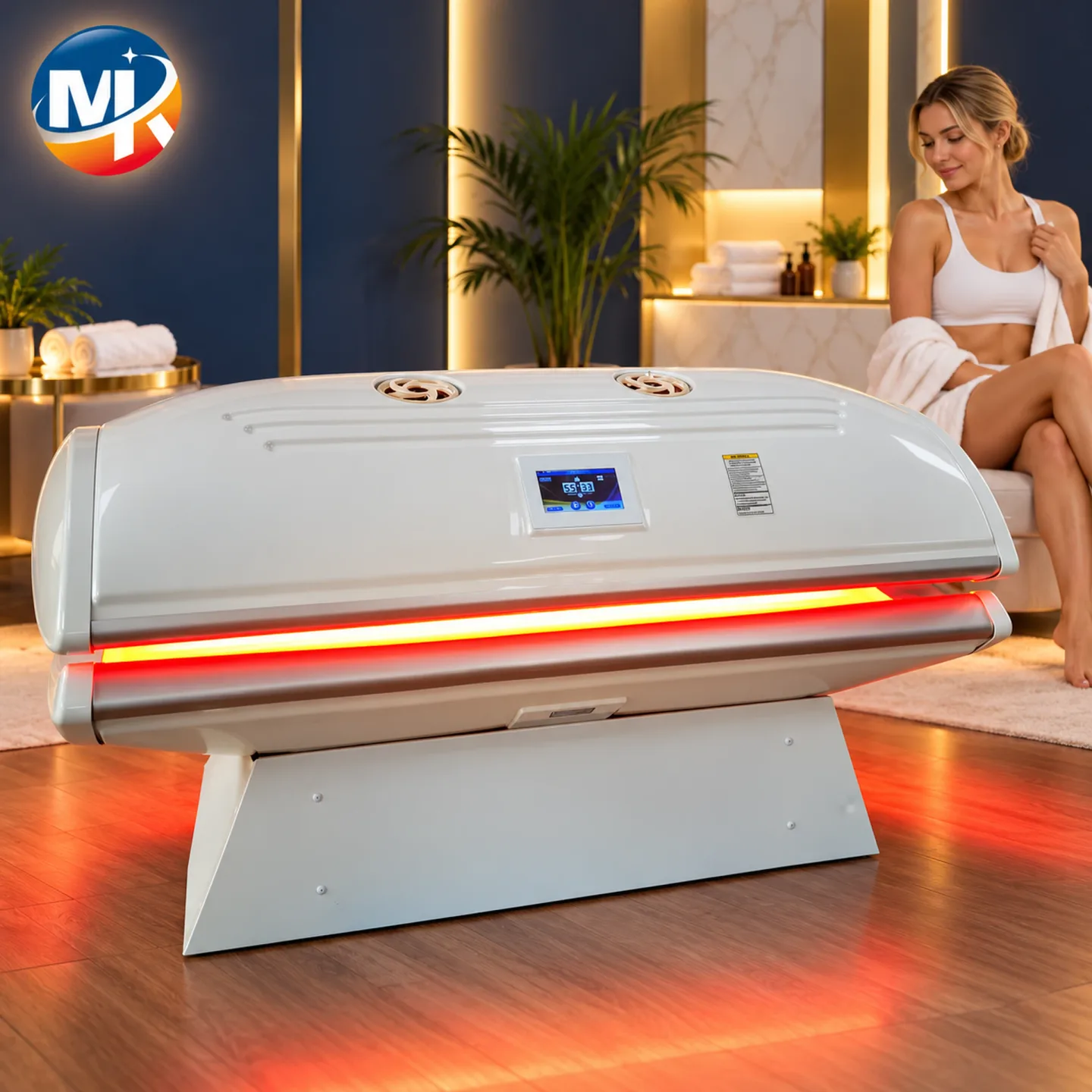
Yes — a commercial biohacking center can use an LED light therapy bed for non‑medical wellness and recovery offerings. For a practical commercial choice we recommend evaluating MAIKONG’s MK-0001 Full Body Red Infrared Light Bed: it provides 660 nm and 850 nm options, factory-declared irradiance in the 80–160 mW/cm² range, selectable pulse and dimming control (1–5000 Hz; 0–100% power) and a 220 V 30 A input requirement. Plan your facility’s electrical supply, treatment controls and safety procedures around those exact parameters and ask MAIKONG for a configuration quote so we can confirm the final specification that fits your workflow.
Contents
Direct answer: Can a Biohacking Center use an LED light therapy bed and which model to consider?
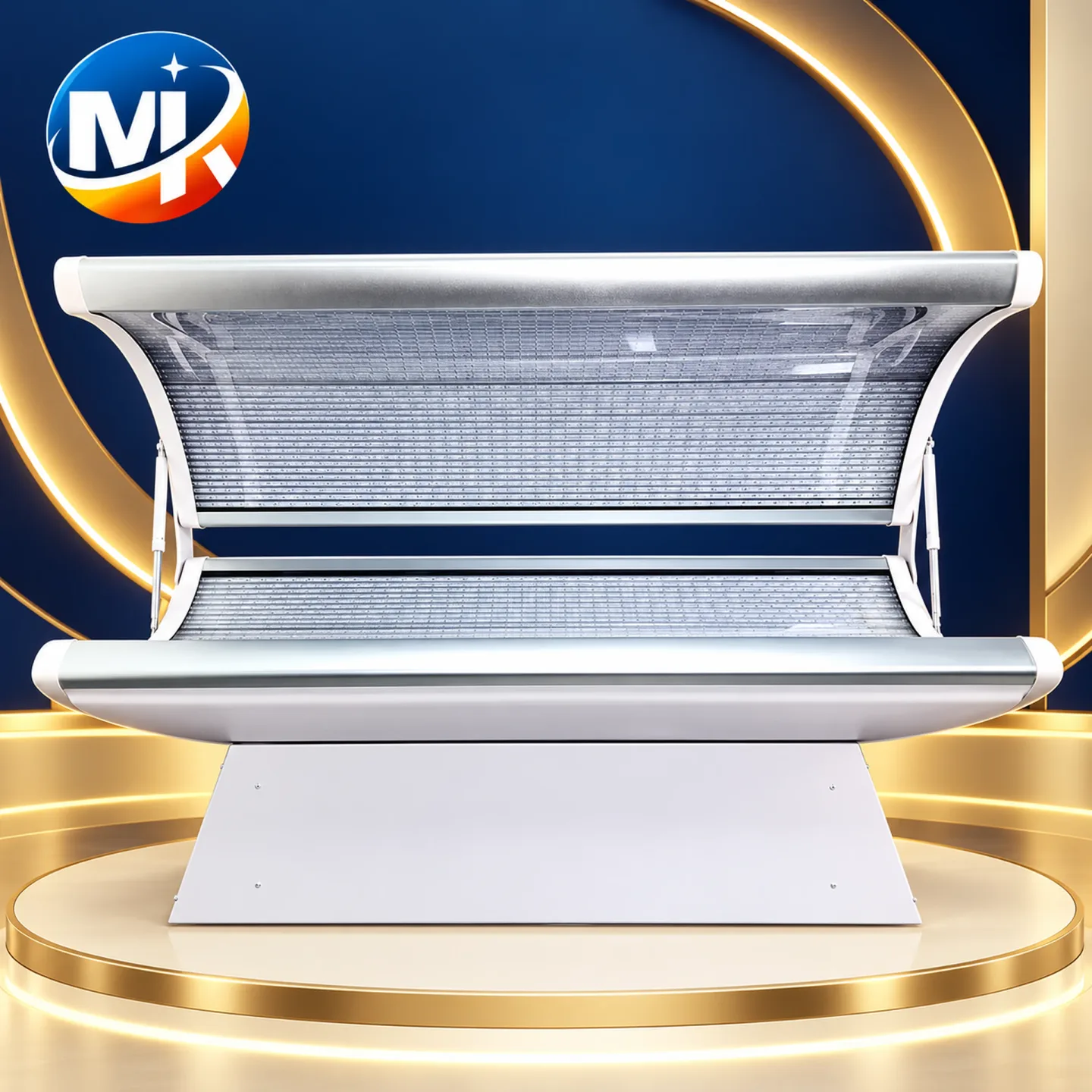
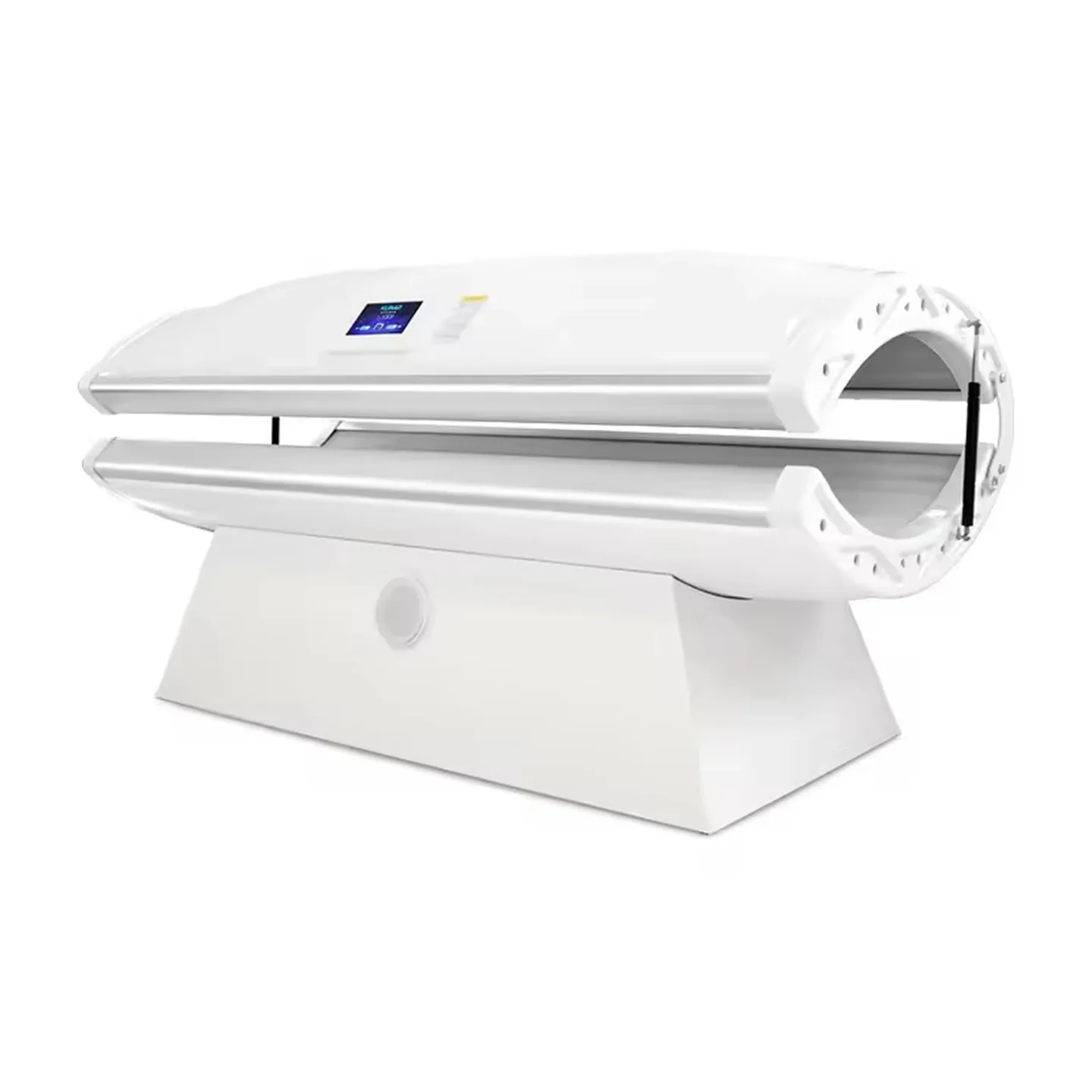
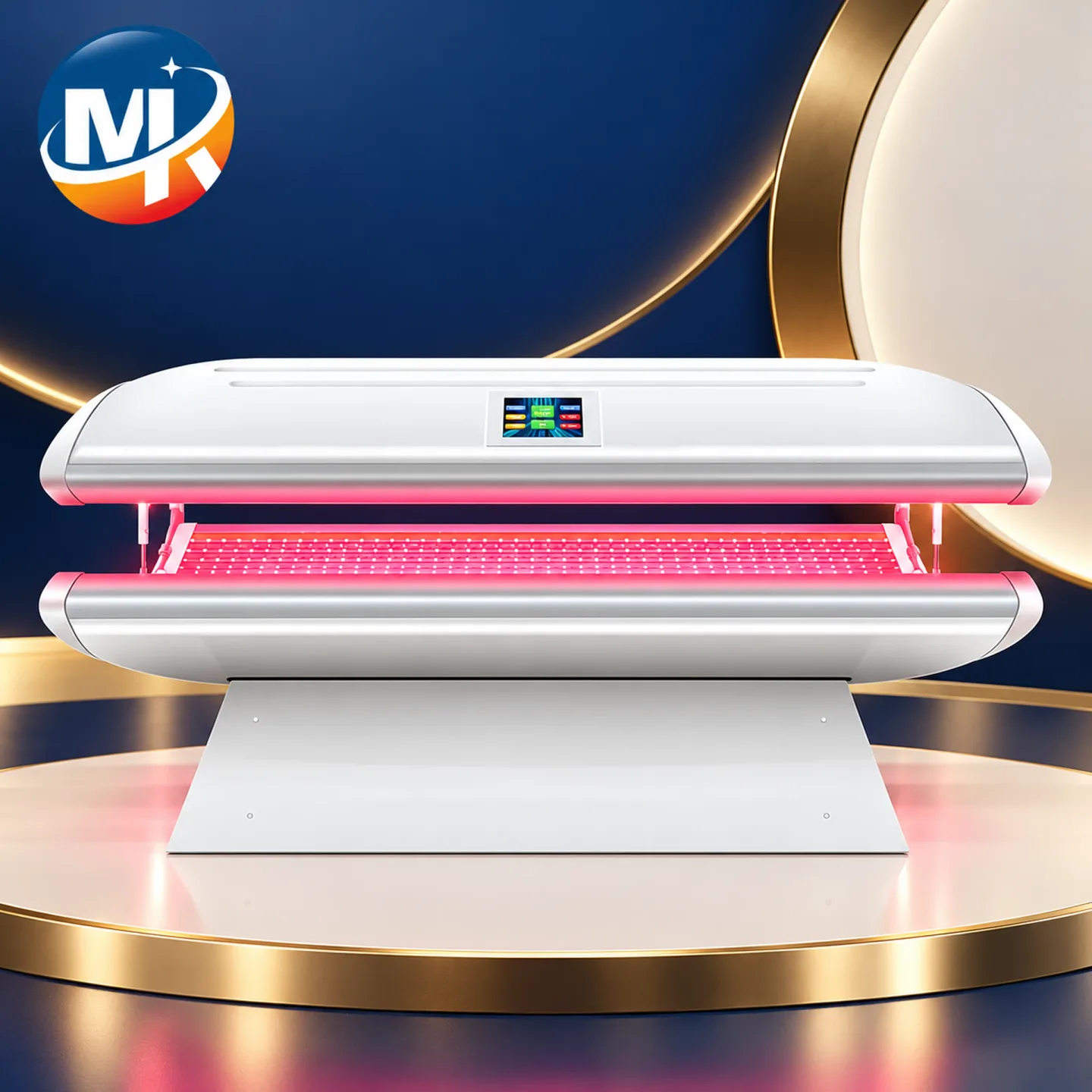
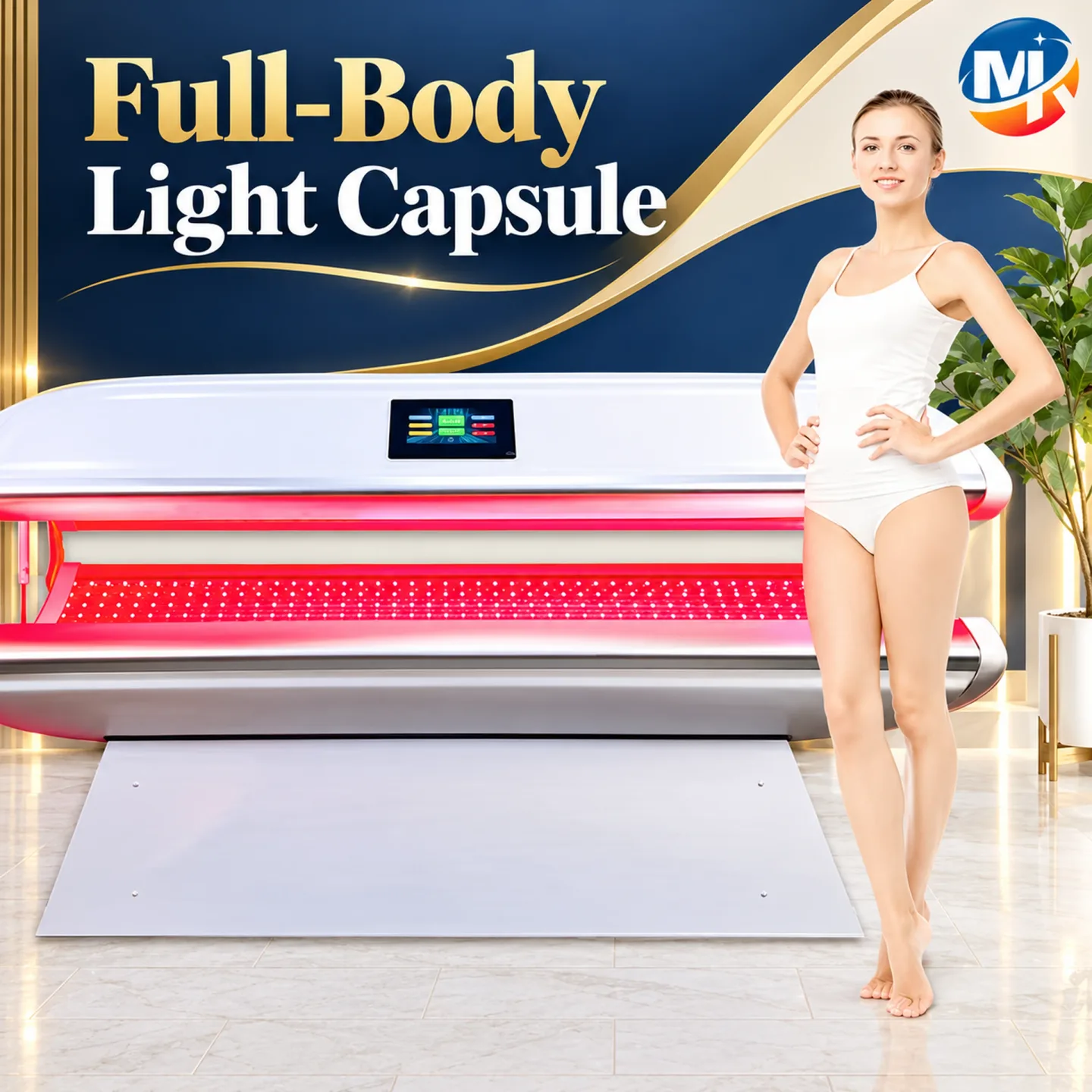
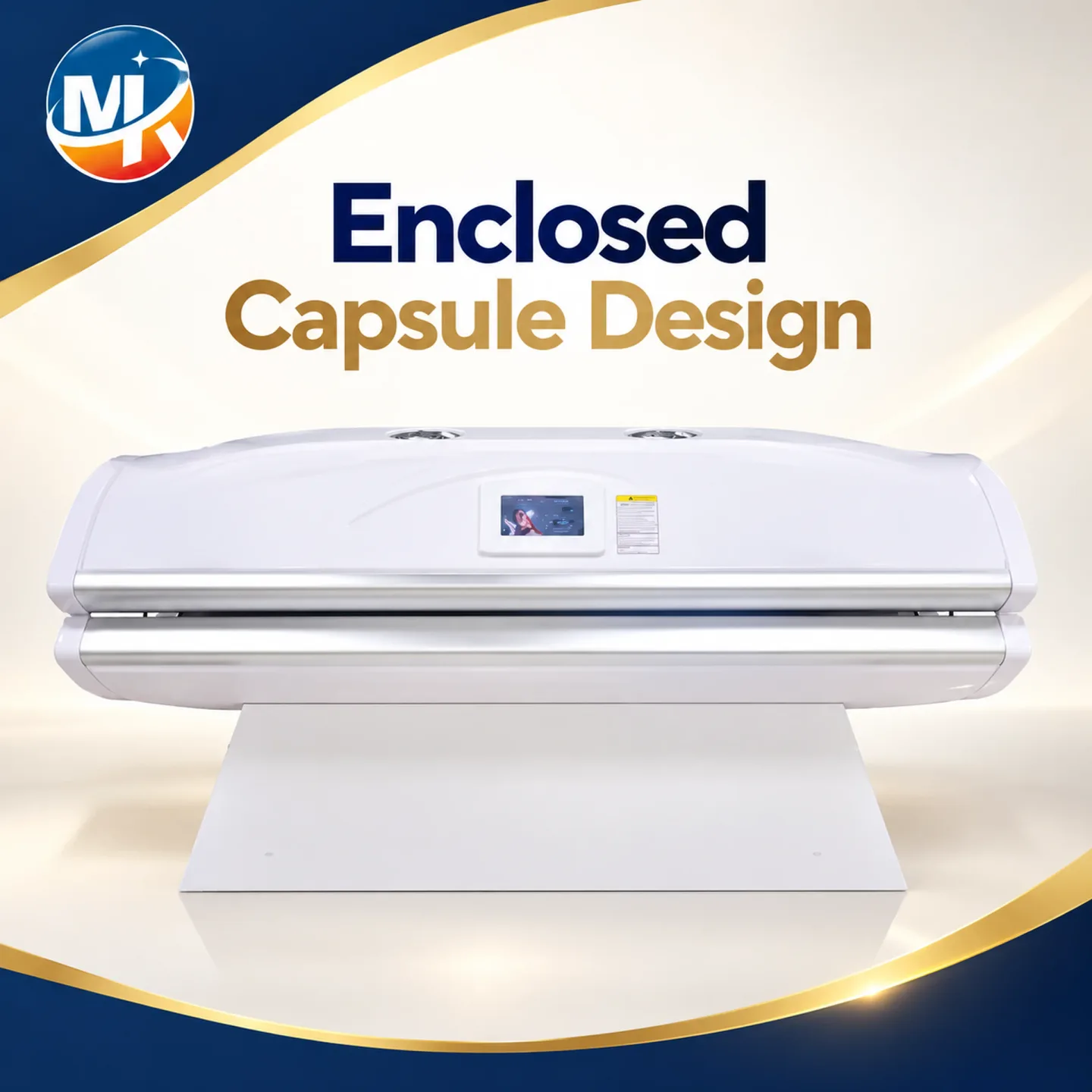
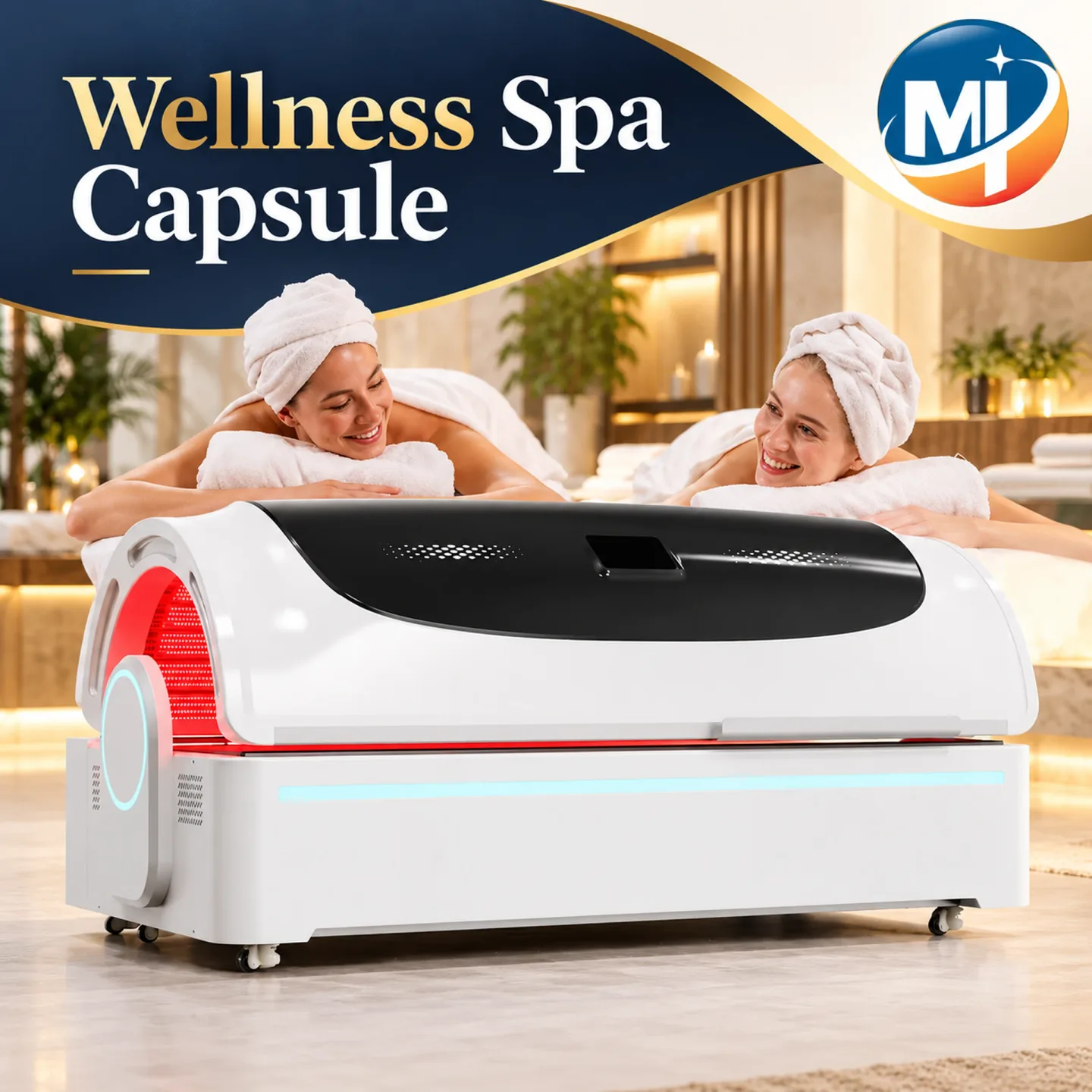
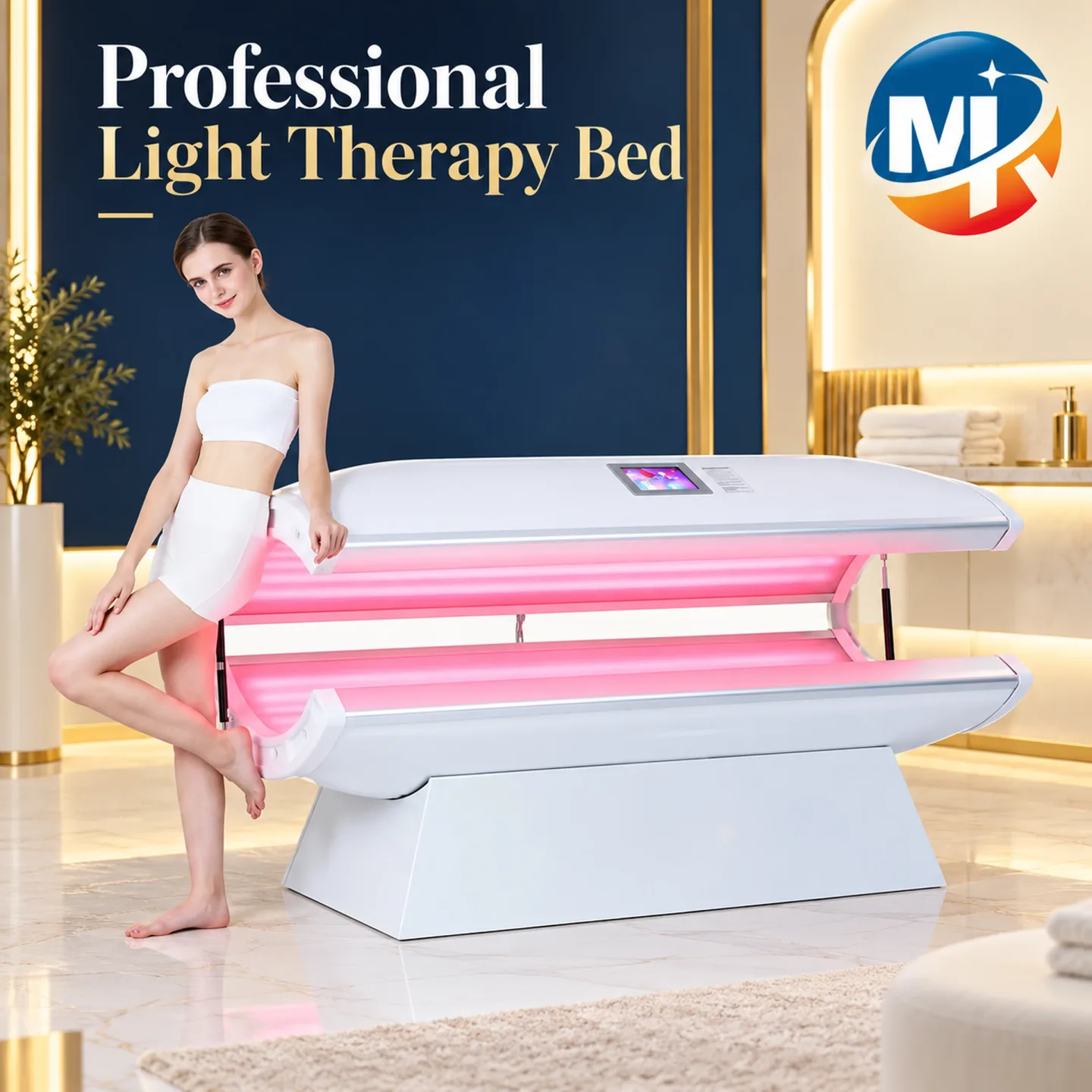
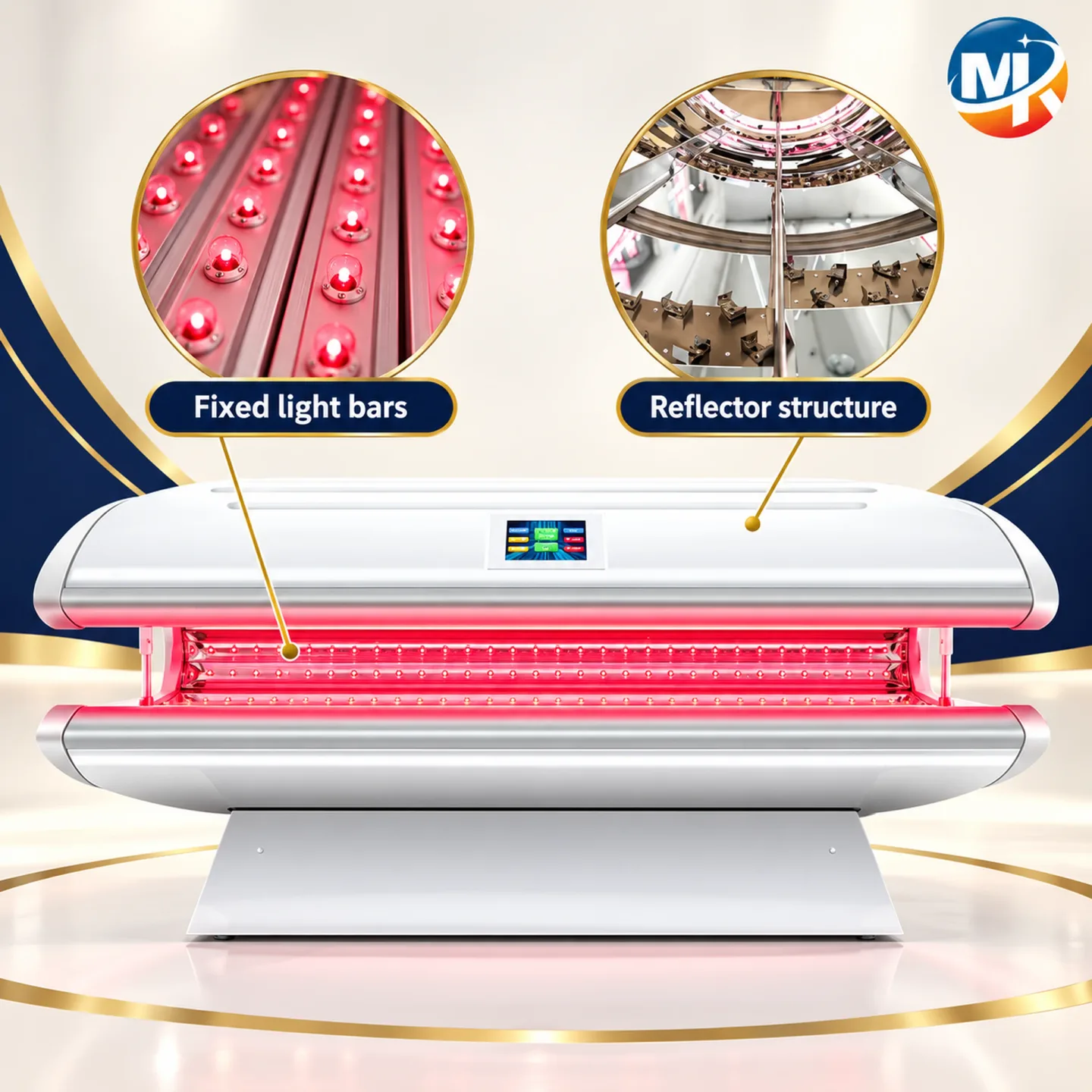
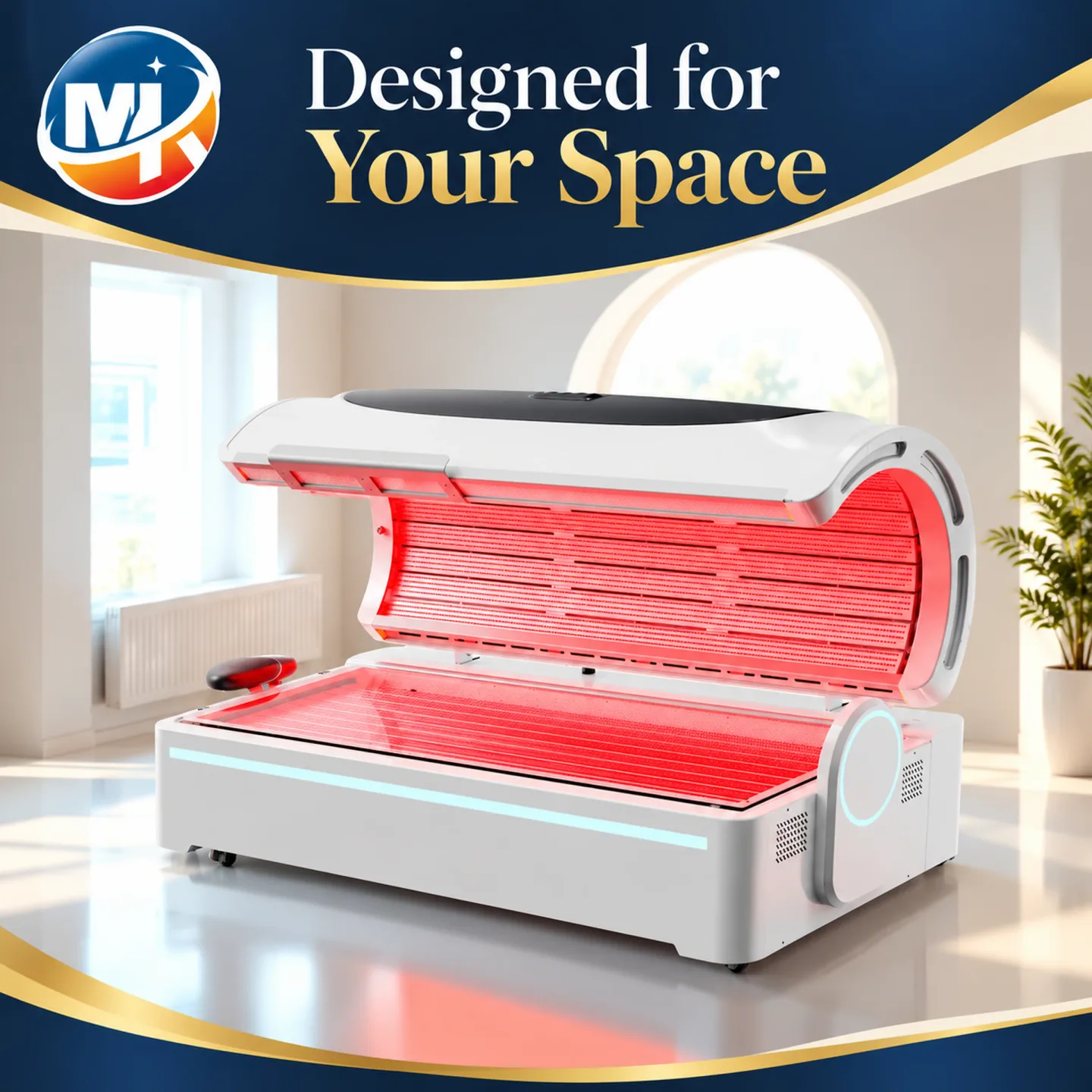
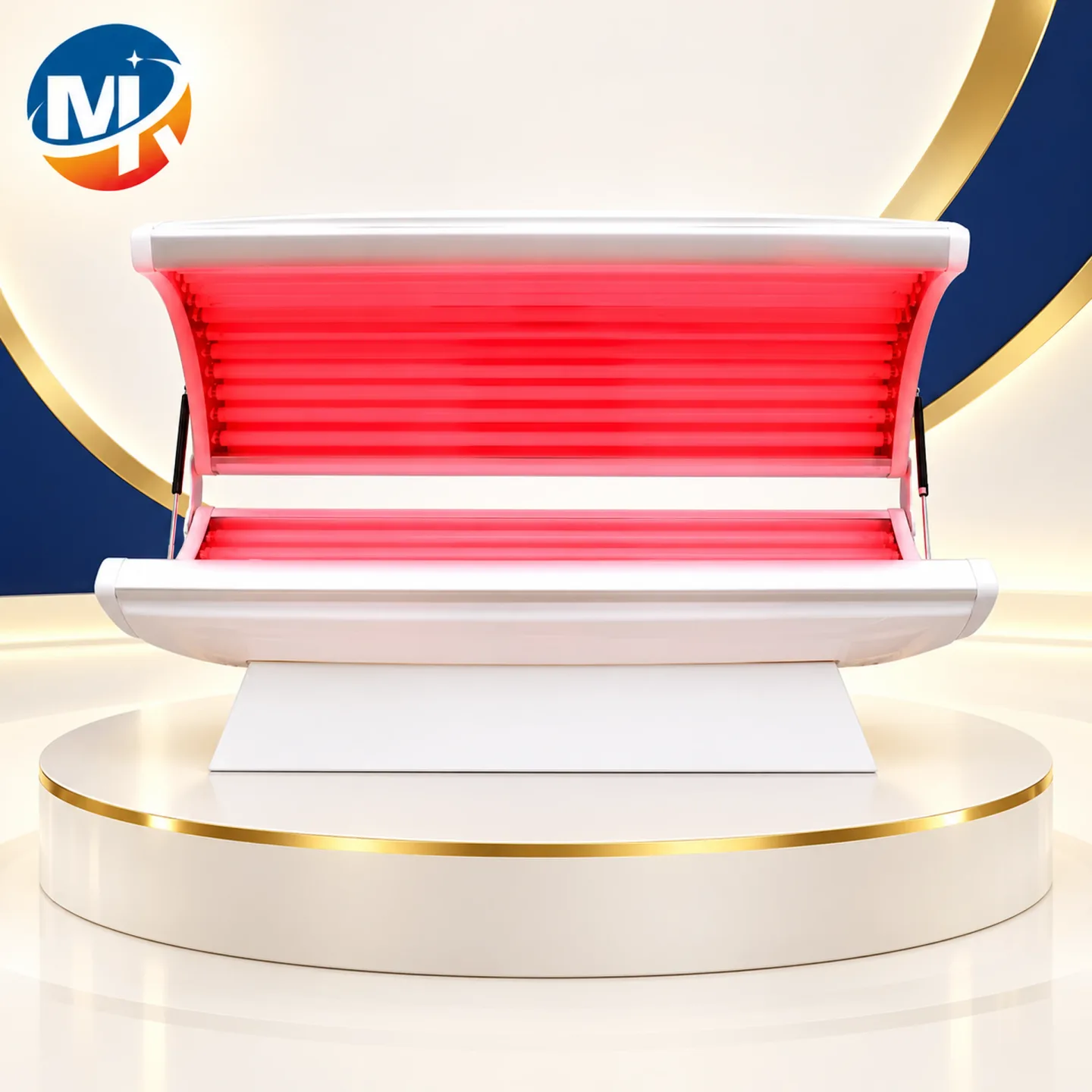
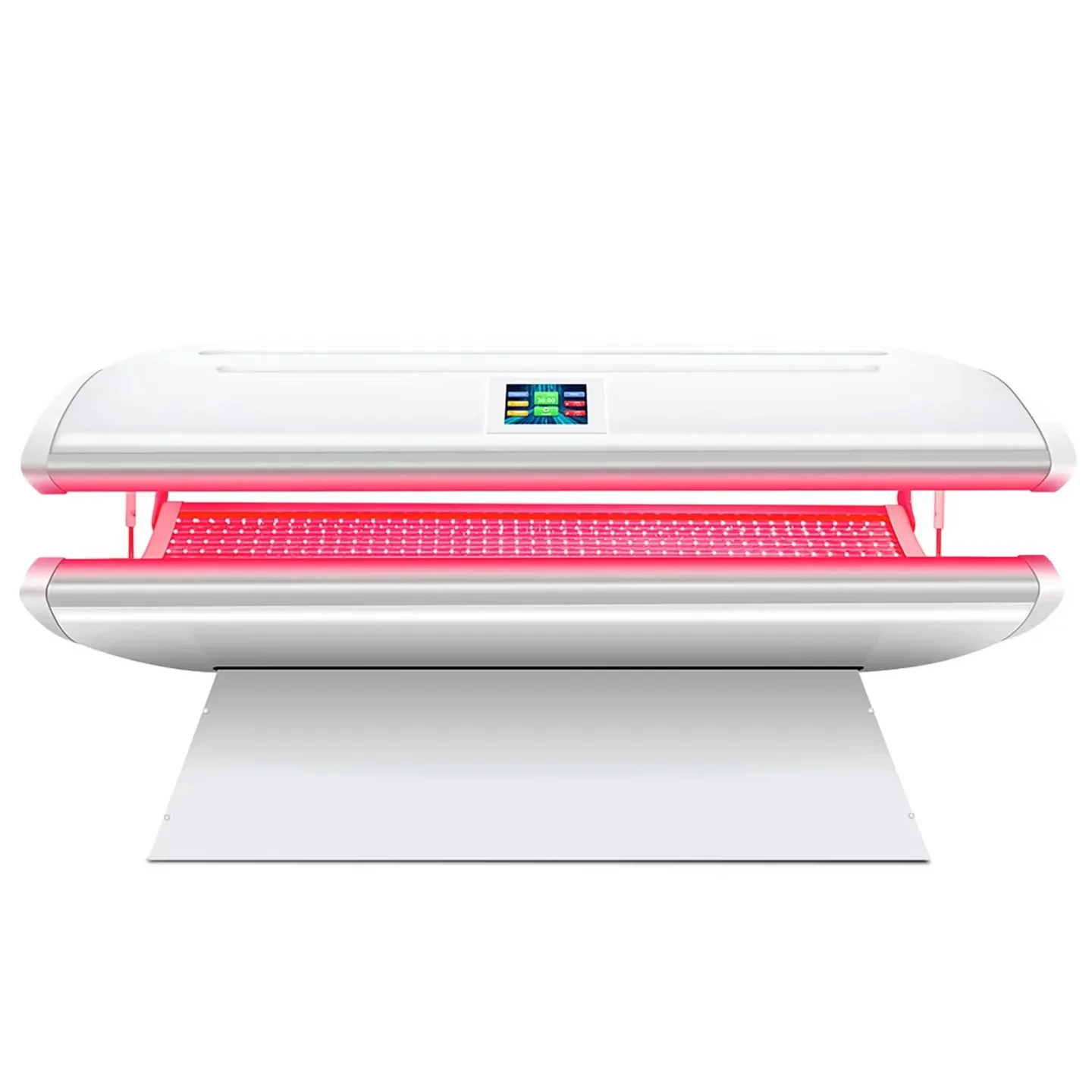
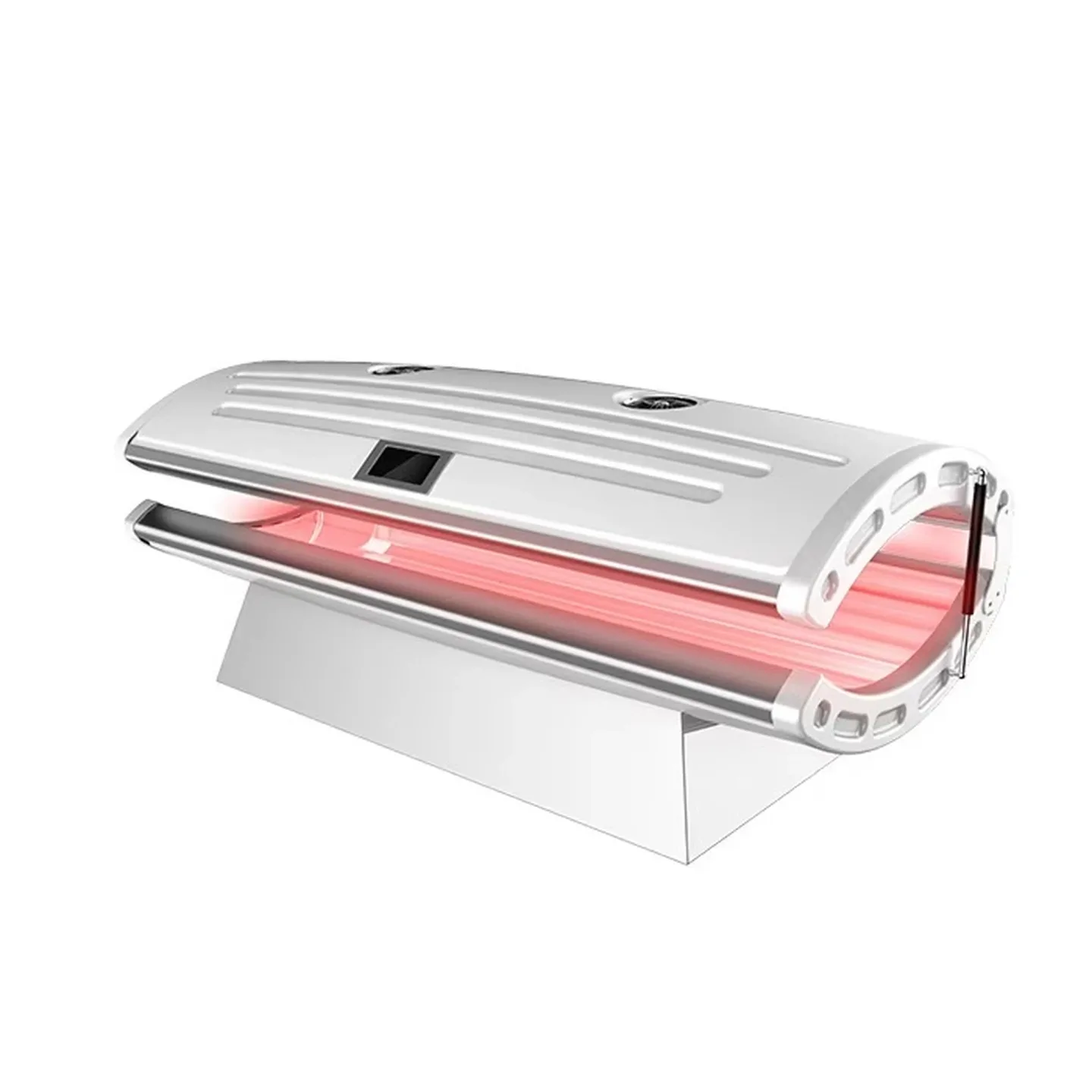
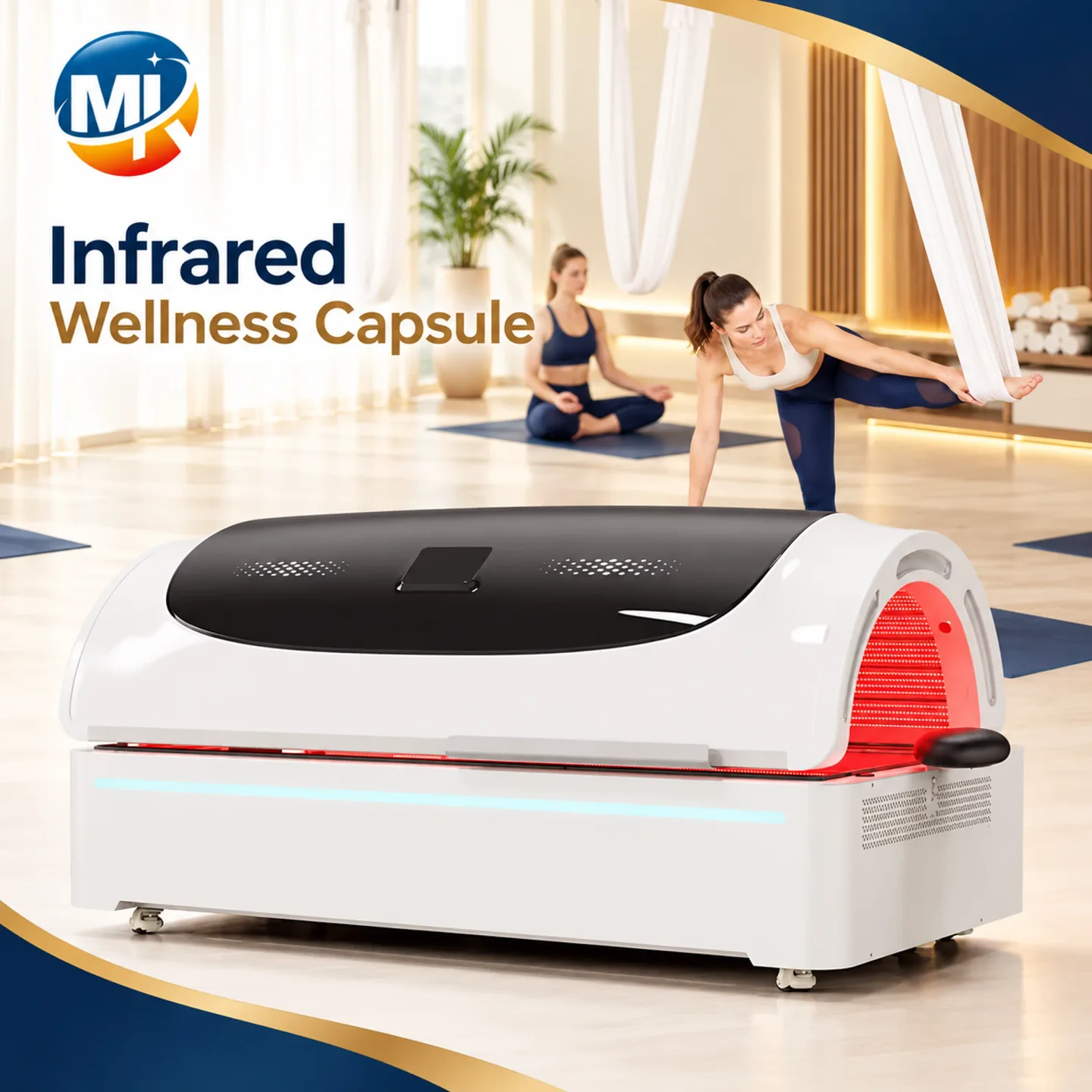
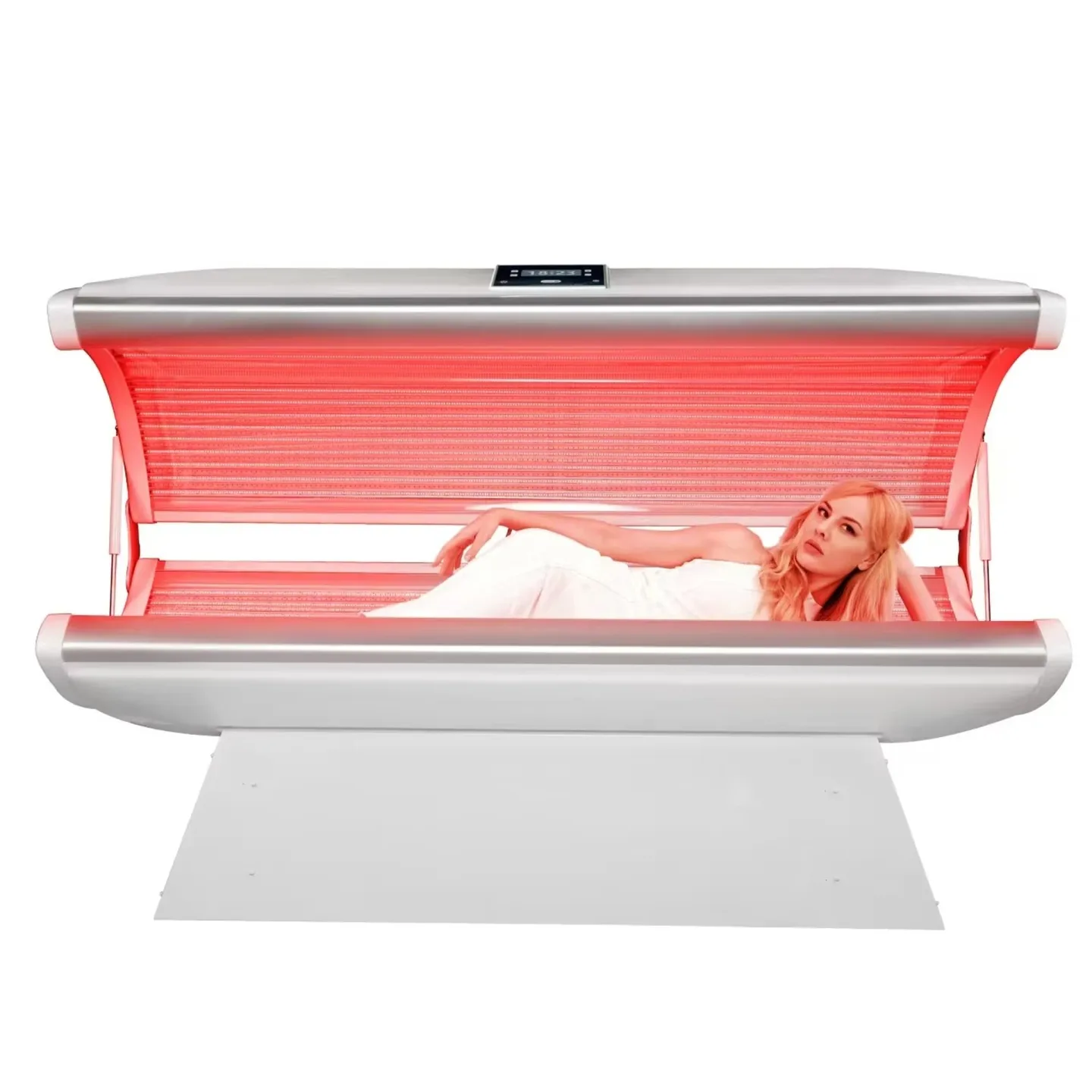
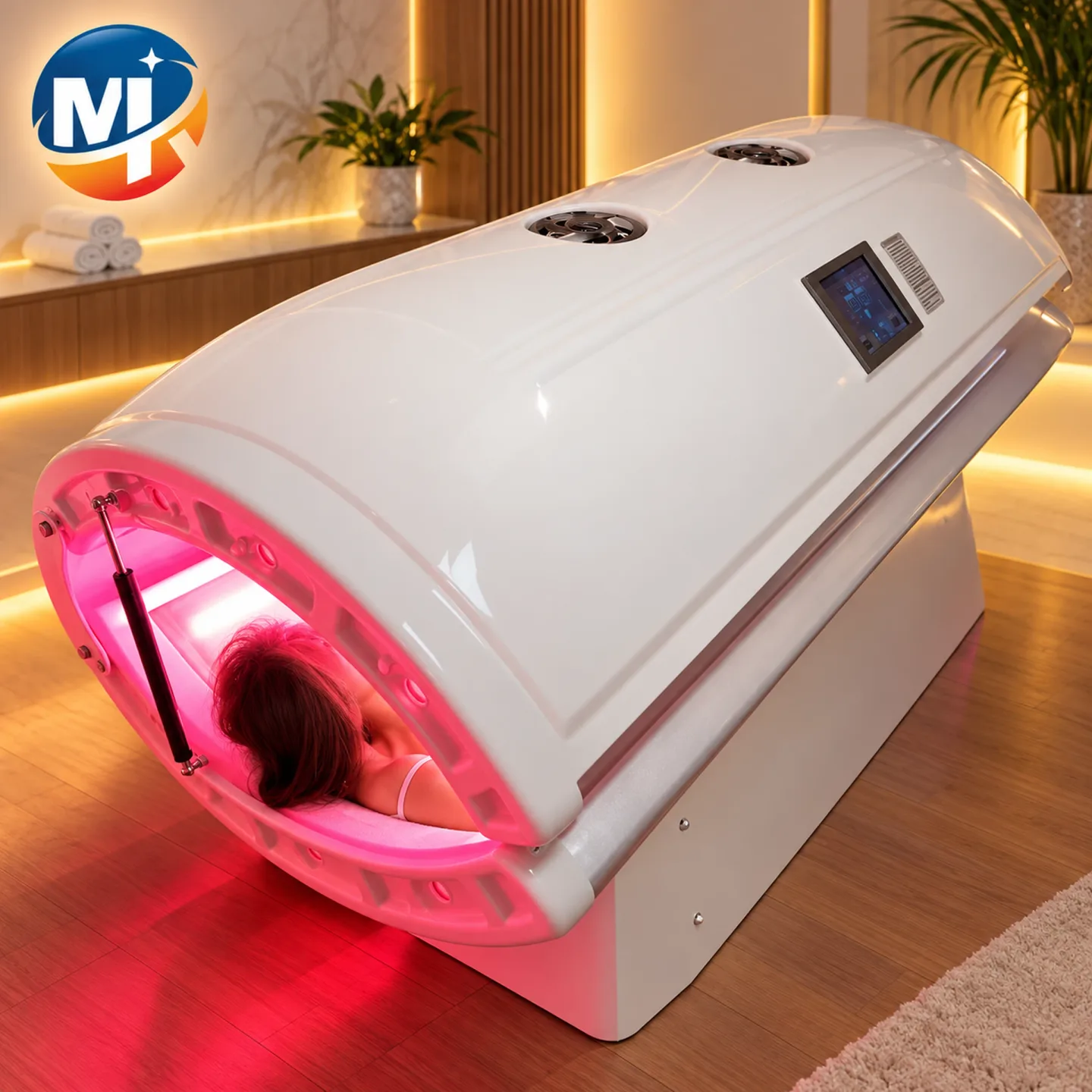
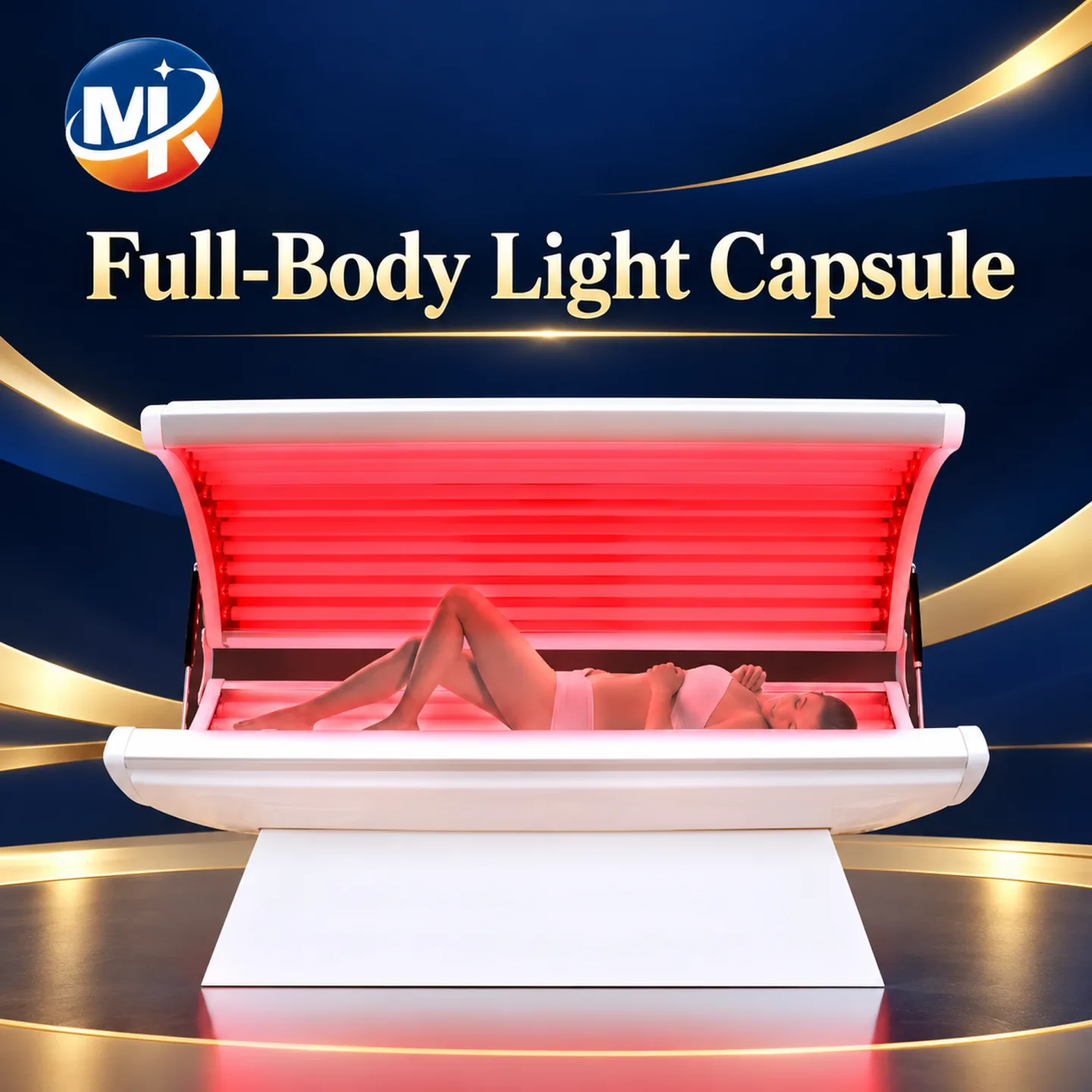
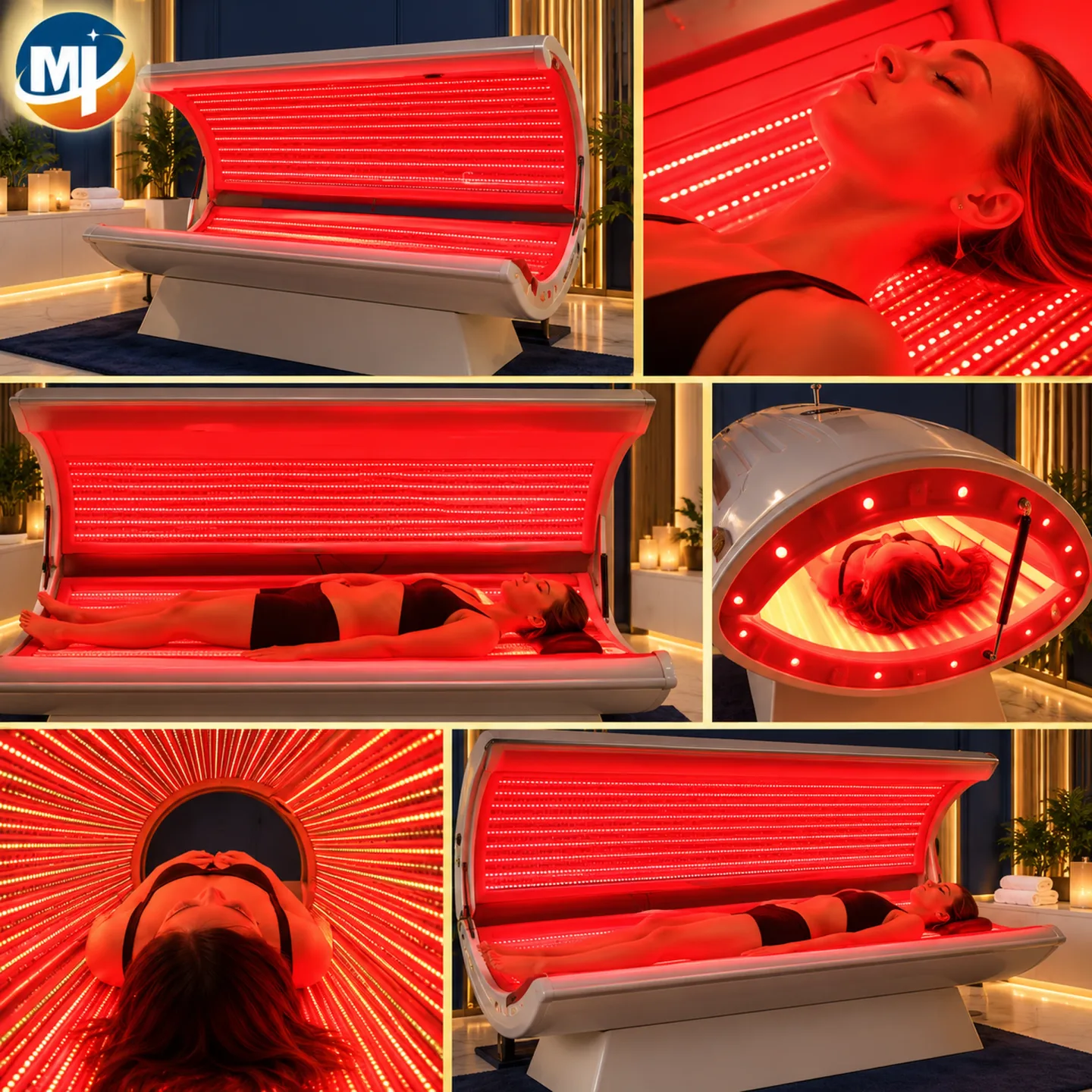
We design MAIKONG products for commercial use; the MK-0001 Full Body Red Infrared Light Bed is explicitly targeted at commercial settings such as spas, clinics and biohacking centers. Its declared feature set (wavelengths including 660 nm and 850 nm, adjustable pulse/dimming, high LED counts and commercial power) makes it suitable for offering non‑medical services aimed at skin health, recovery support and mood/sleep adjuncts. Use the bed only within scope of wellness and supportive programs — do not present it as a diagnostic or medical treatment device.
Key MAIKONG MK-0001 product facts every buyer must know
These values are MAIKONG’s product declarations; confirm the specific production build and final test reports with your quotation because customization and options may change actual values. (data-fact-id=”127″)
Why these parameters matter for biohacking use
Wavelengths — 660 nm and 850 nm (and why they’re common)
Short red (around 660 nm) and near‑infrared (around 850 nm) bands are the most common commercial choices because they penetrate different tissue depths and are widely used in photobiomodulation literature for non‑invasive wellness applications. For an operational buyer the practical point is this: choose beds that let you select or combine wavelengths so you can create reproducible service menus for surface-oriented plans (skin, superficial soft tissue) and deeper muscle/soft-tissue protocols (infrared). (data-knowledge-id=”1565516″)
Irradiance — why 80–160 mW/cm² matters
Pulse and dimming control
Clinical-adjacent applications suited to a biohacking center — realistic framing
We position MK-0001 as a commercial device for wellness and recovery services, not a medical treatment. Typical non‑medical, clinical‑adjacent applications biohacking centers commonly offer include: skin appearance and maintenance programs, adjunctive recovery sessions for exercise-induced soreness, and mood/sleep-support protocols as part of broader lifestyle services. Present these as supportive, non-diagnostic services and avoid making specific medical claims about disease treatment or cure. (data-knowledge-id=”1751946″)
Operational checklist: room, clearance and electrical requirements
- Electrical supply: MK-0001 declares Input Voltage 220 V 30 A (data-fact-id=”127″). Confirm your local supply and whether a dedicated circuit, an electrician upgrade, or a step‑down/transformer is needed — do not assume compatibility with a standard 120 V outlet.
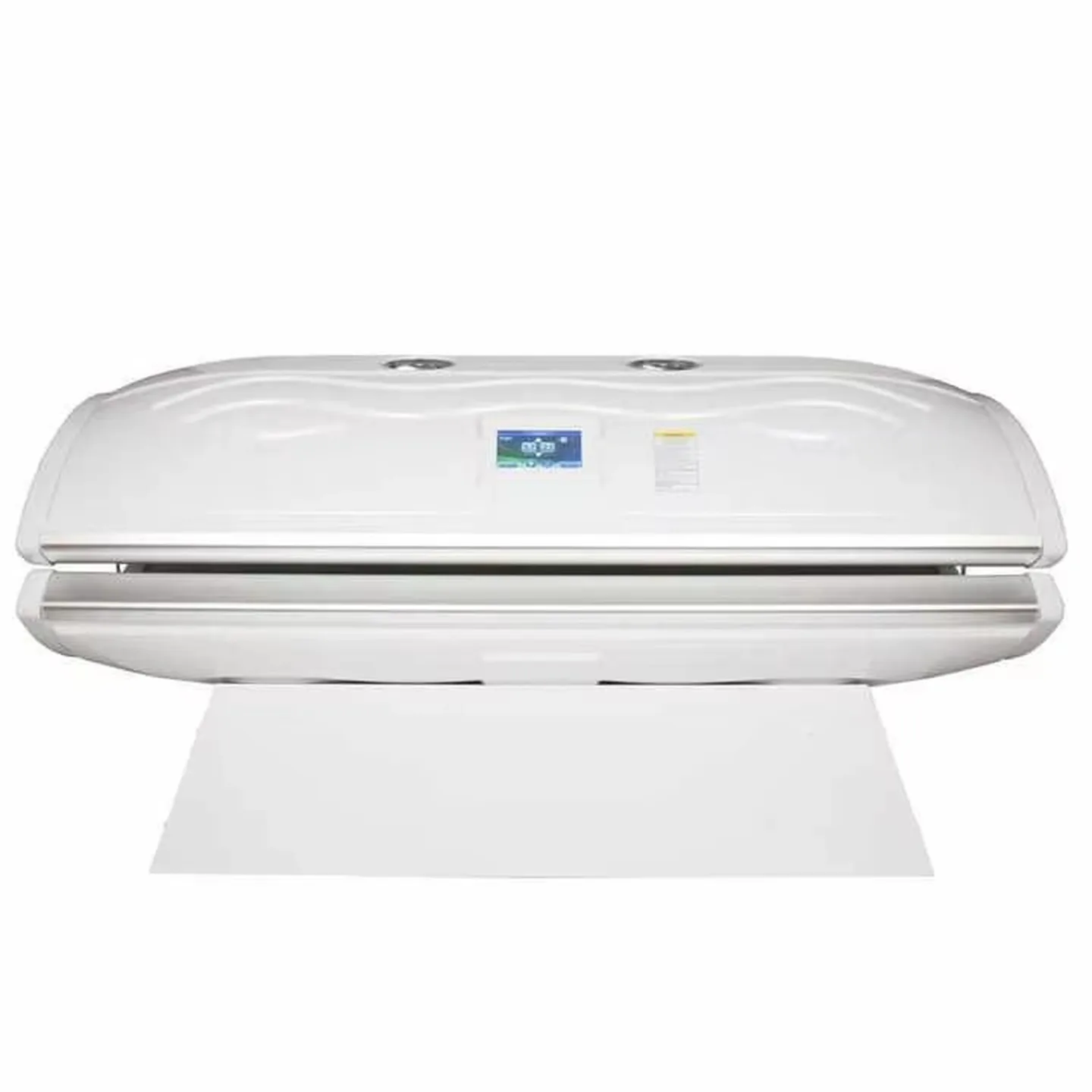
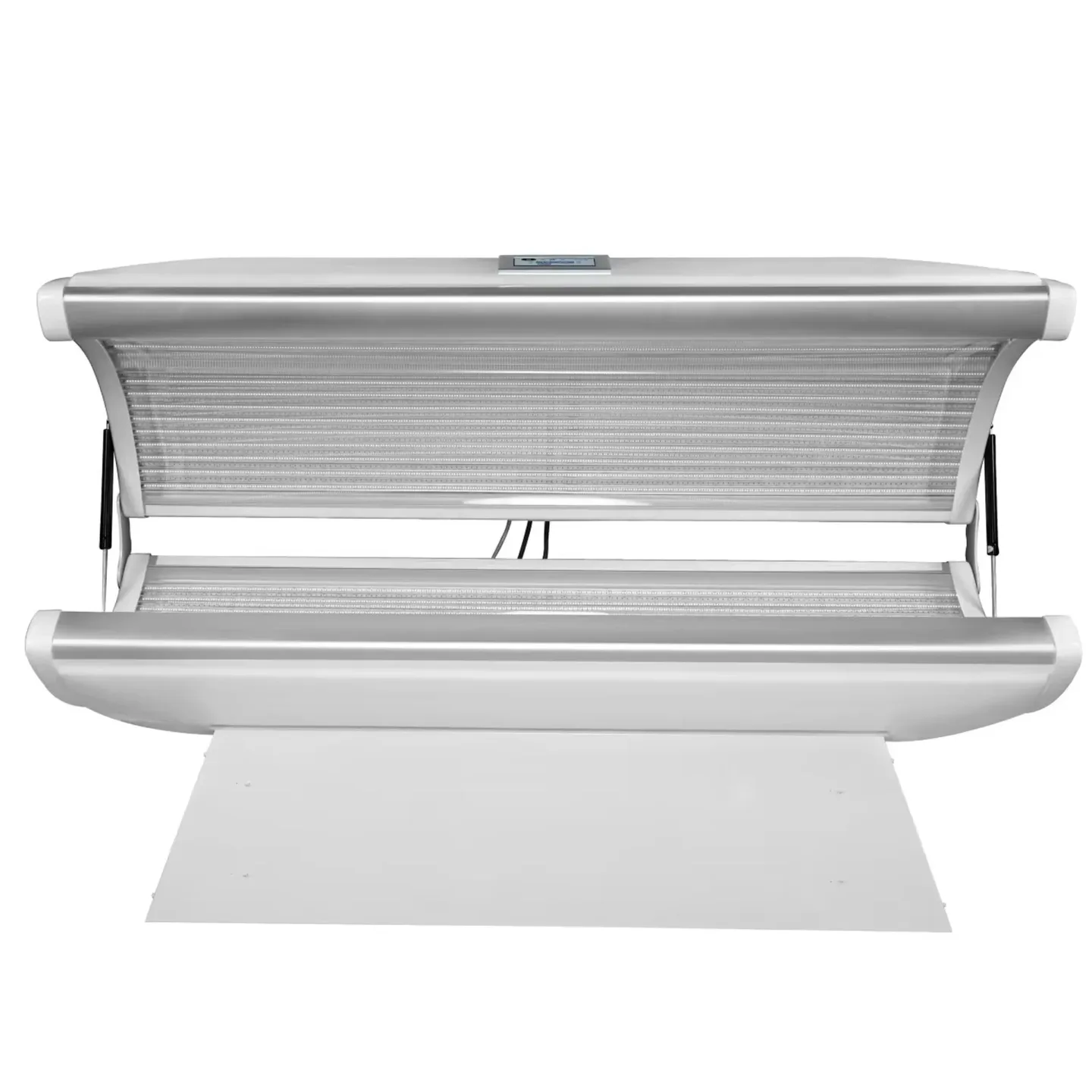
- Physical space: Allow space for the bed footprint (declared dimensions 190 / 240 cm) plus at least one meter clearance around the unit for safe entry/exit and maintenance access. Confirm package size for delivery handling (210 × 147 × 165 cm).
- Ventilation and cooling: The bed relies on internal fans and needs unobstructed airflow; place it away from HVAC intakes and flammable materials.
- Floor loading and delivery: Check gross weight (declared 68 kg package gross) and delivery path door widths; some configurations ship in large crates.
- Plugs and adapters: MK-0001 lists US plug type availability, but confirm the vendor-supplied plug and local code requirements with your electrician. (data-fact-id=”127″)
Treatment settings and controls to configure for safe, repeatable sessions
Note: We cannot provide clinical dose prescriptions. If you intend to operate under a medical director or integrate the bed into an evidence-based treatment pathway, have a qualified clinician sign off on the protocols.
Throughput and workflow for high-frequency use
High-throughput deployment requires process design: pre-screening and informed consent, staff‑managed client entry/exit, cleaning between sessions, and a conservative incident report procedure. Because MK-0001 is a high-output commercial unit, consider scheduled maintenance windows and a staff rotation that reduces supervisory fatigue. Track session settings and subjective client feedback to refine offerings and ensure consistent service.
Safety, user limits and visible precautions
- Eye protection: Avoid direct eye exposure to high‑intensity LEDs. Provide appropriate goggles and train staff to enforce use.
- Session frequency and exposure: MAIKONG provides device parameters but does not supply standardized clinical dosing for every indication. Do not claim guaranteed therapeutic cures; consult a qualified clinician for medical protocols and rely on published literature for dosing guidance. (data-knowledge-id=”5474627″)
- Cooling and monitoring: Watch for device overheating signs and ensure fans are unobstructed. If a client reports discomfort, stop the session and follow your incident procedure.
- Contraindications: Keep a pre-screen checklist for photoreactive medications, implants, or conditions that could increase risk; when in doubt, refer to a medical professional.
Maintenance, lifespan and after-sales
Customization and OEM/private-label options relevant to biohacking centers
We offer spectra customization (red + infrared combinations or other wavelengths) and OEM/private‑label cooperation to match brand requirements or specialized service menus. If you need a modified spectrum, different user interface options, or branded cabinetry, include those requests in your initial configuration enquiry so we can scope lead time and factory configuration. (data-shared-knowledge-id=”580″)
What this device cannot guarantee — limits and how to communicate outcomes to clients
The MK-0001 is not a diagnostic tool and MAIKONG does not warrant medical outcomes. Any statements about treating, curing or diagnosing disease are outside the device’s scope. When marketing sessions, present them as wellness and supportive services and set realistic expectations: the device provides targeted light exposure under controlled parameters; individual responses vary and are not guaranteed.
Sources and evidence you should review
Our technical claims in this article use MAIKONG product data (MK-0001 declarations such as wavelengths, irradiance, LED counts, power and electrical requirements — data-fact-id=”127″). For readers wanting context on cellular mechanisms and published work on photobiomodulation, consult peer-reviewed literature and established summaries of photobiomodulation science (see knowledge entries on “what is red light therapy” and “the science behind red light therapy” for background). (data-knowledge-id=”1565516″ data-knowledge-id=”8298505″)
Unresolved information and operational risks
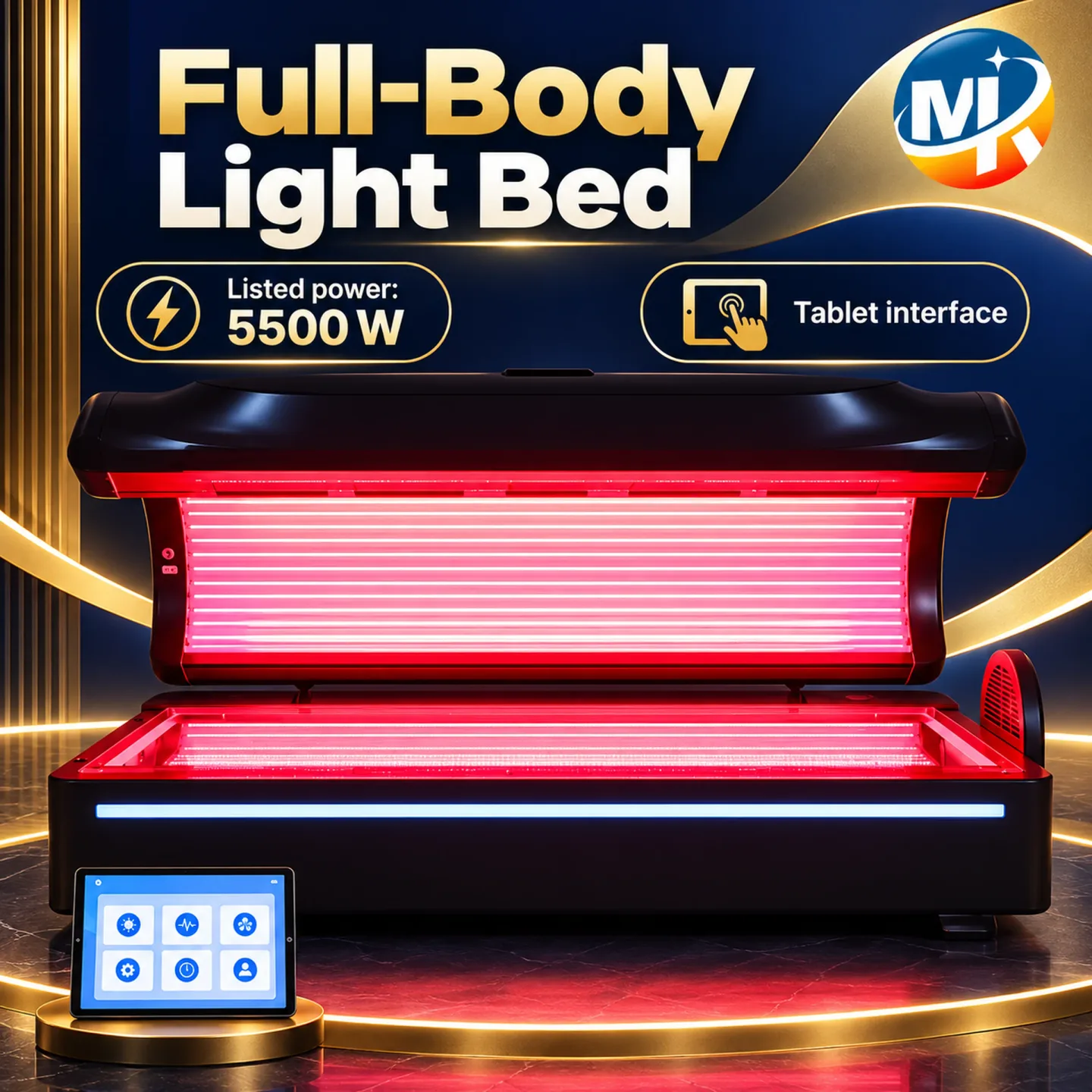
Two practical gaps you must confirm with a quotation: the final tested irradiance map across the bed surface for your chosen wavelength mix, and the exact delivered power for your configured options (MAIKONG lists 3500 W and 3.5–4.5 kW actual power ranges). Also verify local electrical code compliance for a 220 V 30 A installation in the United States before purchase — MAIKONG’s product page lists US plug type availability but local installation requirements can vary. (data-fact-id=”127″)
How to request a quote, configuration advice or distributor partnership
Contact MAIKONG: lucy@maikongbed.us • +86 135 1090 7401
For more product detail see our product page: Red light therapy bed (MAIKONG MK-0001).
One useful next step
Send us a short configuration request (wavelengths, expected room supply: confirm 220 V 30 A or note if different, and estimated sessions per week). We will return a production spec sheet and a recommended checklist for installation and staff training based on your planned throughput.
Localized compliance note
Information in this article is for health‑management and educational reference only and does not replace professional medical advice, diagnosis or treatment. Do not claim the device diagnoses, treats, cures or prevents disease.
This content is provided for learning, information sharing and professional communication only. It is not medical advice and is not a basis for treatment or diagnosis. Confirm suitability, operation and purchasing requirements against the product manual, local regulations and qualified professional guidance.
If you want a tailored configuration, sample specs for an SOP, or distributor/wholesale pricing, contact us directly. Include your intended wavelength mix, expected monthly session volume, the room electrical supply you can provide, and whether you require OEM/private‑label branding.
Related resources
Contact us byWhatsApp Online:
Maybe you like also
Copy©2025