Red light therapy bed Manufacturer For US

Red Light Therapy for Muscle Recovery: Evidence, Clinic Variables and Practical Steps for Healthcare Entrepreneurs
October 27, 2026

Quick answer
Red and near‑infrared light (photobiomodulation) can support aspects of post‑exercise recovery such as reducing markers of muscle damage and subjective delayed‑onset muscle soreness for some users when devices deliver appropriate wavelengths and sufficient irradiance. The effect is conditional: benefits depend on verified device output (wavelength + irradiance), coverage of the damaged tissue, and repeatable protocols. For a U.S. clinic deciding whether to add this service, the right question is not “does it work?” but “can we measure and deliver the dose that clinical studies used, record outcomes, and convert that into billable, repeatable sessions?”
Contents
Direct answer: Can red light therapy speed muscle recovery?
In short: yes—under specific, measurable conditions. Clinical research and mechanistic work support that red (around 600–660 nm) and near‑infrared (around 800–900+ nm) wavelengths interact with cell mitochondria to increase cellular energy (ATP) and modulate inflammation; when delivered at the exposures used in many human studies, this can reduce biomarkers of muscle damage and subjective soreness and, in some protocols, speed functional recovery. However, positive outcomes require devices that reliably produce the stated wavelengths and irradiance, appropriate coverage of the affected muscles, and consistent treatment timing and frequency. In practice, healthcare operators must verify device output, adopt a measurable treatment plan, and track objective outcomes before committing to scale.
What the clinical evidence says (short summary and limits)
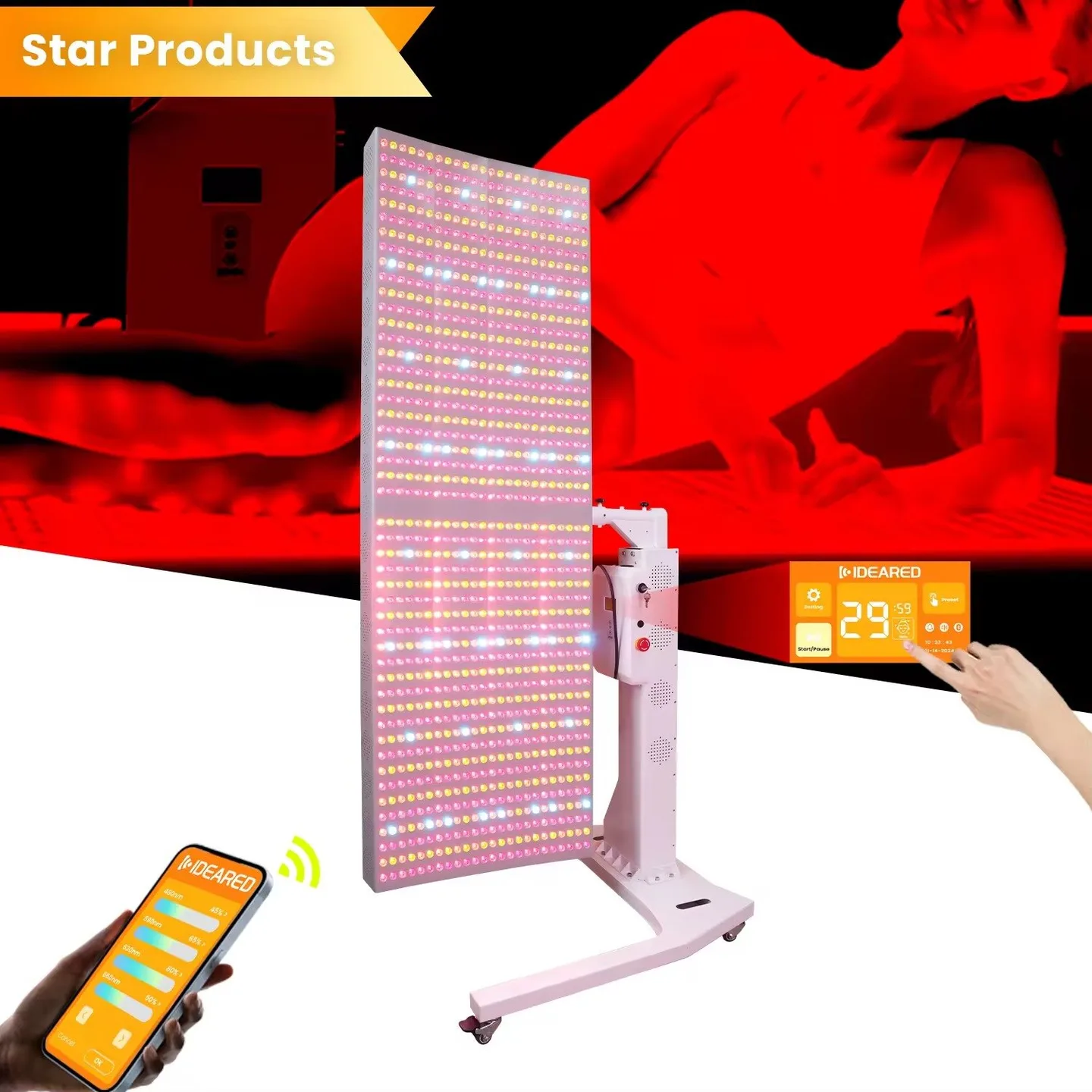
Randomized and controlled human studies report reduced delayed‑onset muscle soreness (DOMS), lower blood markers of muscle damage, and faster recovery of strength in some protocols using photobiomodulation. The literature is heterogeneous: studies vary in wavelengths, irradiance, single‑session versus repeated applications, and measured outcomes. That heterogeneity creates two practical realities for a clinic:
- Some trials show measurable benefit; others show no effect—differences usually track to delivered dose and coverage rather than a simple success/failure of the modality.
- There is no universal protocol accepted across all sports and muscles; clinical translation requires a protocol that matches the device’s verified outputs to published dose ranges.
We recommend reading the primary human trials relevant to the sport or patient group you plan to serve and treating the evidence as supportive—but conditional—rather than definitive for all use cases.
How red and near‑infrared light work for muscle recovery (plain clinical mechanism)
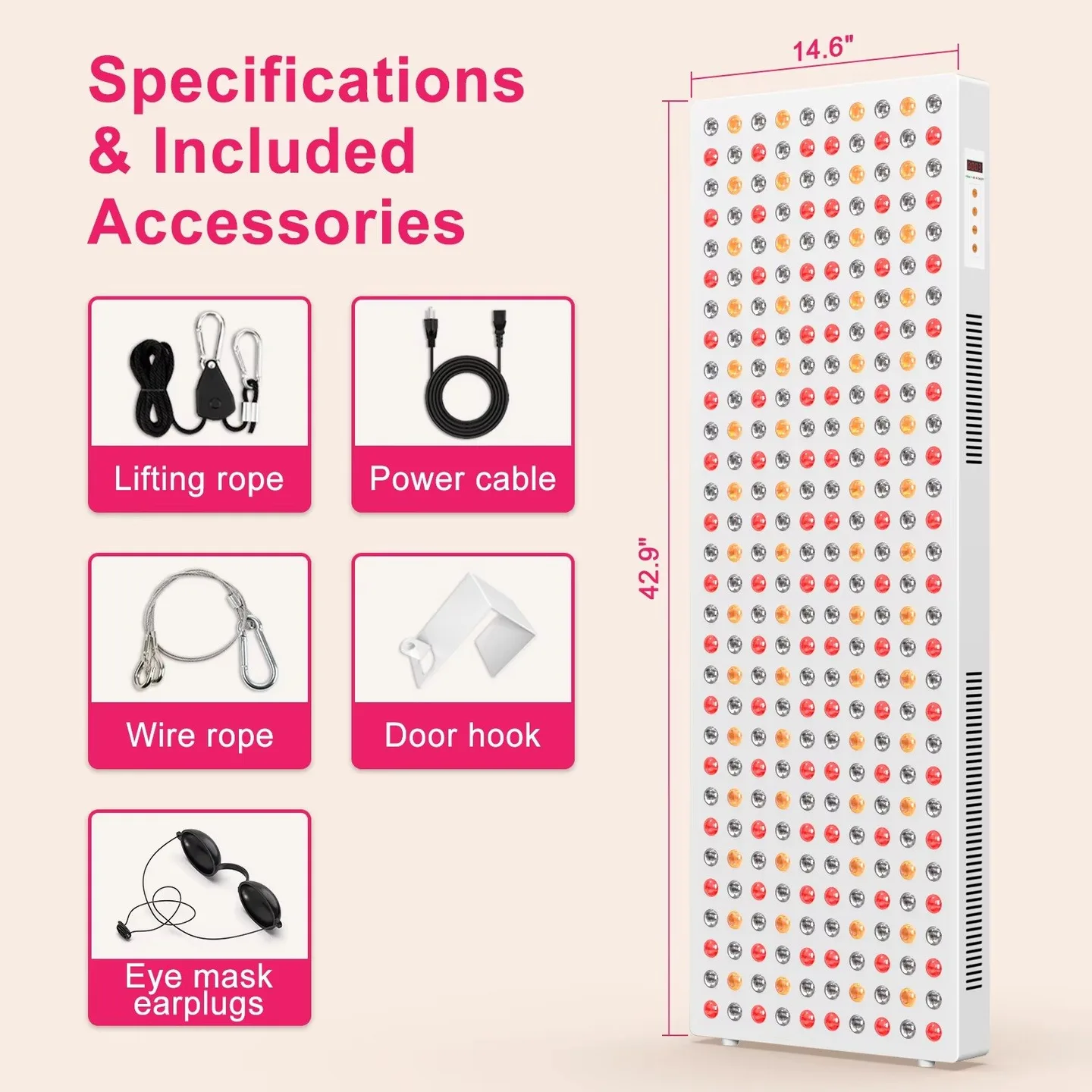
Photobiomodulation acts at a cellular level. The commonly described mechanism is absorption of photons by chromophores in mitochondria (notably cytochrome c oxidase), which can increase ATP production, modulate reactive oxygen species, and alter signaling that controls inflammation and repair. Clinically, that translates into two useful effects for recovery services: reduced inflammatory signaling around damaged muscle, and support for the energetic needs of repair processes. These are mechanistic findings; the clinical effect depends on delivering enough light energy to the target tissue and on treatment timing relative to injury or exercise.
Which recovery outcomes are reasonably supported—and where evidence is limited?

Supported outcomes
- Reduction in perceived DOMS in multiple randomized trials.
- Lower blood markers of muscle damage (e.g., creatine kinase) in some studies.
- Faster recovery of measurable strength or power in selected athlete studies when treatments match study parameters.
Limited or mixed evidence
- Generalized improvement in long‑term performance across all sports is not consistently shown.
- Optimal dosing windows, cumulative schedules, and precise wavelength combinations vary by study and are not standardized.
- Evidence in older adults, patients with chronic myopathies, or clinical rehabilitation settings is less mature than in healthy athletes.
Key treatment variables that determine results
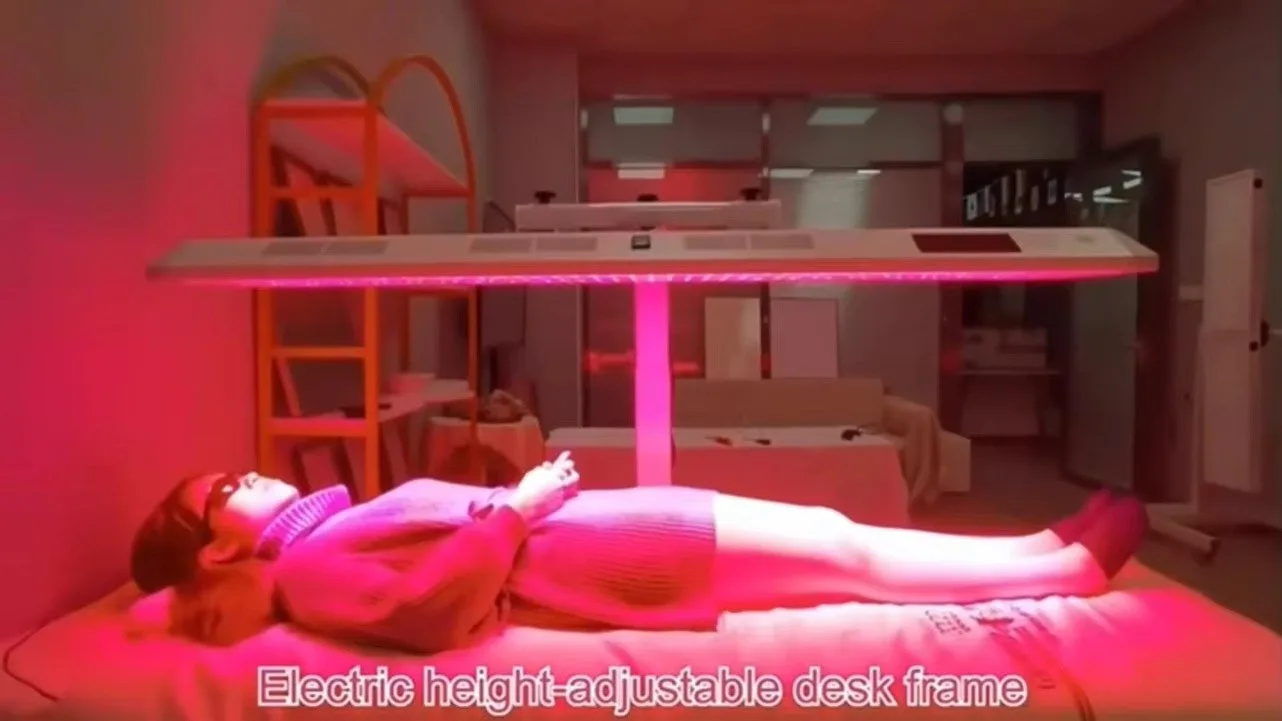
The variables that consistently determine whether a treatment will mirror study outcomes are:
- Wavelength — red (≈600–660 nm) and near‑infrared (≈800–900+ nm) penetrate tissues differently; both are used in studies for muscle recovery.
- Irradiance (mW/cm²) — the power arriving at the skin surface; many clinics and studies report better translation when devices provide measurable, moderate to high irradiance.
- Energy dose (J/cm²) — the product of irradiance and exposure time; matching the dose reported in relevant clinical trials is essential.
- Coverage and proximity — panels or beds that cover the full muscle group are more likely to produce consistent results than point devices unless the point device is moved to cover all muscle regions.
- Frequency and timing — pre‑exercise, immediate post‑exercise, and repeated sessions are used in trials; the timing affects which outcomes are most likely to improve.
Device specifications that matter for clinic use — and a MAIKONG example
For commercial use, verify the following measurable specs before purchasing:
- Declared wavelengths and measured wavelength accuracy (devices may list 660 nm or 850 nm; measure or request lab verification).
- Peak and average irradiance at clinically relevant distances (mW/cm²).
- Ability to pulse or adjust power and frequency, if your intended protocols require it.
- Coverage area (can the unit illuminate an entire thigh, or only a 10×10 cm patch?).
- Electrical requirements and cooling for continuous operation in a clinic.
MAIKONG product context (manufacturer‑reported facts): the MK‑0001 Full Body Red Infrared Light Bed lists wavelengths including 660 nm and 850 nm, an input voltage of 220V 30A, declared irradiance range of 80 mW/cm²–160 mW/cm², and actual power 3.5–4.5 kW. These values are company‑reported and available on the product page; use them as starting points for technical verification and dose planning (data-fact-id=”127″).
For more device details see MAIKONG’s product page: Red light therapy bed.
Practical clinic protocols for muscle recovery — action steps you can adopt
We avoid prescribing fixed time/dose steps here because those are device‑specific and clinical‑trial‑specific. Instead, adopt a measurable, reproducible clinical process:
- Decide target outcomes (DOMS reduction, strength recovery, return‑to‑play timing) and select objective metrics to track (subjective soreness scale, strength testing, functional test, CK if available).
- Confirm device outputs: request measured irradiance at the distance you will use in practice and verify wavelengths. Use those numbers to calculate energy dose (J/cm²) with a qualified clinician or medical physicist.
- Start with a small pilot cohort of clients. Log baseline metrics, treatment parameters (wavelength, irradiance, exposure time, distance, number of sessions) and outcomes.
- Iterate: compare outcomes versus baseline and adjust coverage or frequency. Keep changes incremental and documented so you can attribute any improvement to the therapy rather than training or nutrition changes.
This approach turns clinical uncertainty into operational data you can analyze and present to prospective customers.
Safety, contraindications and patient screening
Photobiomodulation is non‑ionizing and generally well‑tolerated, but screening and simple safety steps are necessary:
- Avoid unprotected direct eye exposure; provide protective eyewear when appropriate.
- Screen for photosensitivity, active malignancy in the treatment area, and conditions or medications that increase photosensitivity.
- Document any adverse reactions and stop treatment if unexpected pain, rash, or worsening occurs.
Do not present this therapy as a diagnostic or curative medical treatment. For clinical patients with complex conditions, consult a licensed clinician before treatment.
Operational considerations for U.S. clinics
Key items to plan before buying:
- Throughput and session length: Estimate treatment room occupancy based on your verified exposure times and prep/cleaning time; full‑body devices require different scheduling than spot panels.
- Room setup and electrical: Verify the device’s input voltage and circuit requirements (MAIKONG’s MK‑0001 lists 220V 30A; confirm local electrical compatibility before purchase, data-fact-id=”127″).
- Staff training: Train staff on device operation, safety checks, documentation, and how to measure and record client metrics.
- Documentation: Maintain treatment logs tying device parameters to client outcomes to support both quality control and ROI analysis.
How to evaluate ROI and client outcomes
Track metrics that connect to revenue and retention:
- Objective performance or pain metrics (strength tests, timed function, soreness scales) before and after a defined treatment block.
- Repeat visit rate and package uptake for clients who try recovery sessions.
- Average revenue per visit and incremental spend from bundled services (e.g., red light + manual therapy).
- Time to measurable return to training for athletes, if that is your service promise.
Run a 30–90 day pilot with a defined sample size before rolling the service clinic‑wide.
What to ask suppliers: checklist before requesting a quote
- Measured wavelength(s) and wavelength accuracy; ask for spectra or lab printouts.
- Measured irradiance at relevant distances (mW/cm²) and how that was measured.
- Coverage area and recommended treatment plane distance for full‑muscle coverage.
- Pulsing capability and adjustable power ranges (Hz and % power).
- Electrical requirements (voltage, current, dedicated circuit) and cooling specifications.
- Warranty terms, spare parts policy, and available training/support.
- Availability of OEM/custom spectrum options if you plan private‑label services.
Direct comparison: panels, portable units and full‑body beds — clinic pros & cons
| Device type | Clinic pros | Clinic cons |
|---|---|---|
| Fixed panels | Good irradiance for local treatment; easy to position; scalable to multiple units | Limited coverage per panel unless multiple panels used; needs staff to reposition for full muscle groups |
| Portable handhelds | Lower cost, flexible spot treatment, useful for targeted injuries | Time‑consuming for large muscle groups; operator‑dependent consistency |
| Full‑body beds (e.g., MK‑0001) | Large coverage, standardized client experience, potentially higher per‑session price (data-fact-id=”127″) | Higher capital cost, larger footprint, electrical and cooling requirements, verification of irradiance across the treatment plane required |
Supplier evaluation and next step
If you want a supplier conversation focused on clinic translation rather than a catalog, ask for: measured irradiance reports for the treatment plane, sample treatment logs, electrical and installation specs, and training scope. MAIKONG lists a Full Body Red Infrared Light Bed (model MK‑0001) with selectable wavelengths including 660 nm and 850 nm and declared irradiance 80 mW/cm²–160 mW/cm²; verify these values against independent measurement for your intended configuration (data-fact-id=”127″).
To request a clinic configuration, OEM/wholesale terms or a quote, contact MAIKONG at lucy@maikongbed.us or +8613510907401. We can supply technical sheets, measured spectra, and installation specifications on request.
Evidence and source notes
The article synthesizes mechanistic and clinical findings about photobiomodulation and MAIKONG’s manufacturer‑reported device specifications. Where product specifications are used (wavelengths, irradiance, model MK‑0001, electrical data), those values come from MAIKONG’s product information (data-fact-id=”127″). Mechanistic summaries draw on established photobiomodulation literature and industry summaries (data-knowledge-id=”2220124″ and data-knowledge-id=”8298505″).
Limitations and risks
Evidence is heterogeneous and device‑dependent. Company‑reported device parameters must be independently verified at the treatment plane before defining clinic protocols. Electrical installation requirements may differ in the U.S.; confirm local compliance for units listing 220V 30A (data-fact-id=”127″). This article does not provide medical guidance, diagnostic criteria, or prescriptive treatment times; for medical patients, consult a licensed clinician.
Useful follow‑up questions for your technical team
- Can we obtain a certified irradiance measurement at our planned treatment distance?
- How will the device be serviced in the U.S., and what spare parts are stocked?
- What training and documentation come with purchase for safe, repeatable treatment delivery?
One practical next step
If you want MAIKONG to prepare a clinic‑oriented quote that includes measured irradiance sheets, installation notes and OEM options, email lucy@maikongbed.us or call +8613510907401. We will provide model‑specific documentation to support your technical evaluation and pilot planning.
Disclaimer: The content here is for health management and educational reference only and is not a substitute for professional medical diagnosis or treatment. We do not promise diagnostic or curative outcomes.
This content is provided for learning, information sharing and professional communication only. It is not medical advice and is not a basis for treatment or diagnosis. Confirm suitability, operation and purchasing requirements against the product manual, local regulations and qualified professional guidance.
Related resources
Contact us byWhatsApp Online:

Maybe you like also
Copy©2025