Red light therapy has gained significant popularity for its potential health benefits, from skin rejuvenation to pain relief. However, with this rise in interest comes a wave of misconceptions about Red Light Therapy Bed Safety. As industry experts, we’ve encountered numerous myths that cause unnecessary concern and might prevent people from experiencing the benefits of this technology. This comprehensive guide addresses the top 10 myths about red light therapy beds, providing evidence-based information to help you make informed decisions about incorporating this therapy into your wellness routine.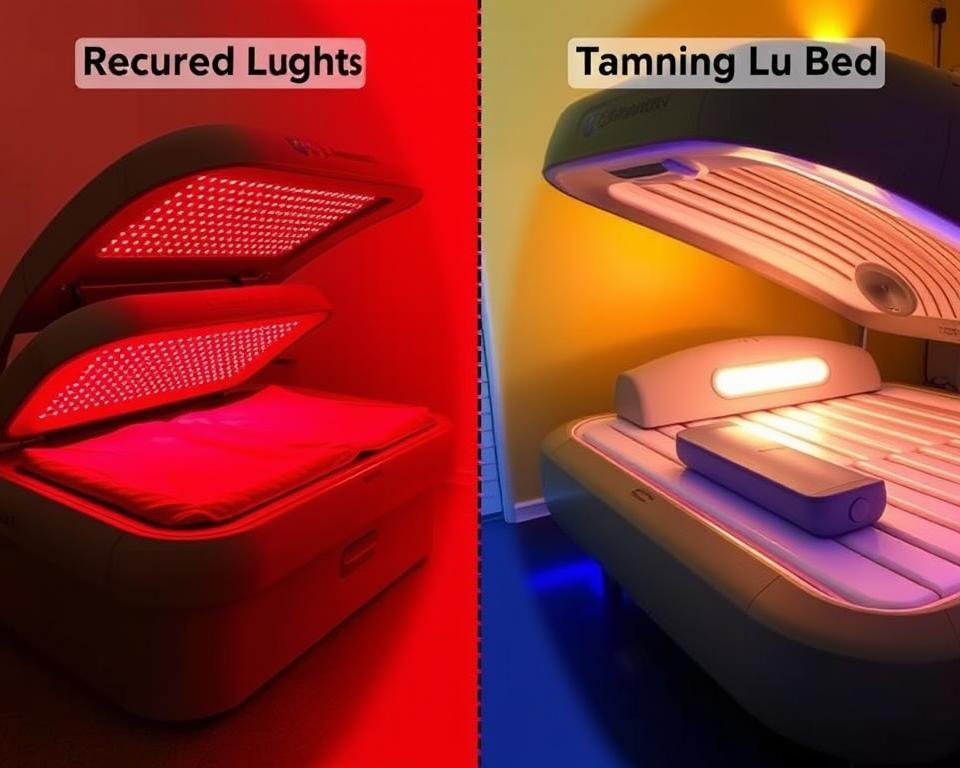

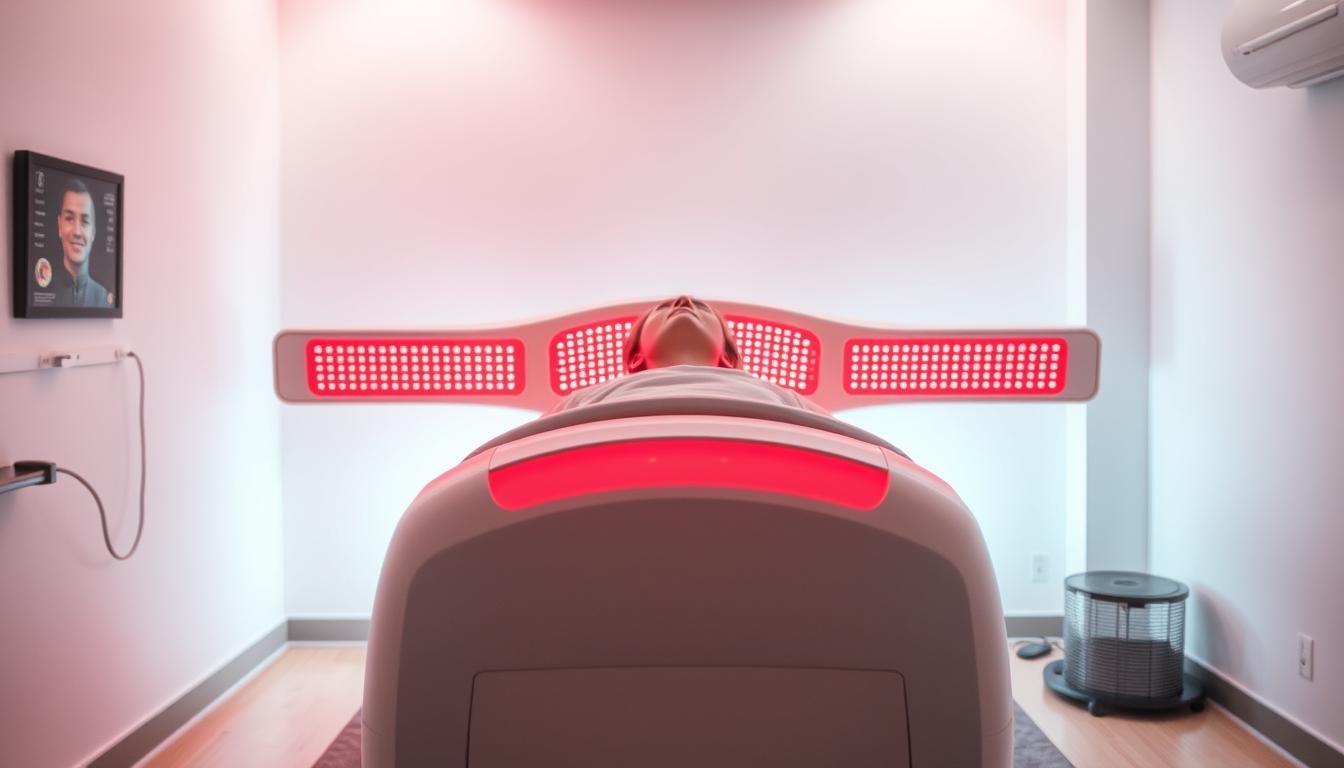
Myth 1: Red Light Therapy Bed Safety Is Not Regulated
One of the most persistent myths is that red light therapy beds operate in an unregulated market with no safety standards. This misconception often leads to unnecessary anxiety about using these devices.
The Reality: Comprehensive Safety Standards Exist
In truth, red light therapy devices, including beds, are subject to regulatory oversight. The FDA classifies these devices as medical devices and requires manufacturers to meet specific safety standards before they can be marketed. These standards address electrical safety, light intensity parameters, and potential side effects.
At MAIKONG, all our red light therapy beds undergo rigorous testing to meet and exceed these safety standards. Each device receives certification confirming compliance with international safety regulations, ensuring you can trust the equipment’s safety profile.
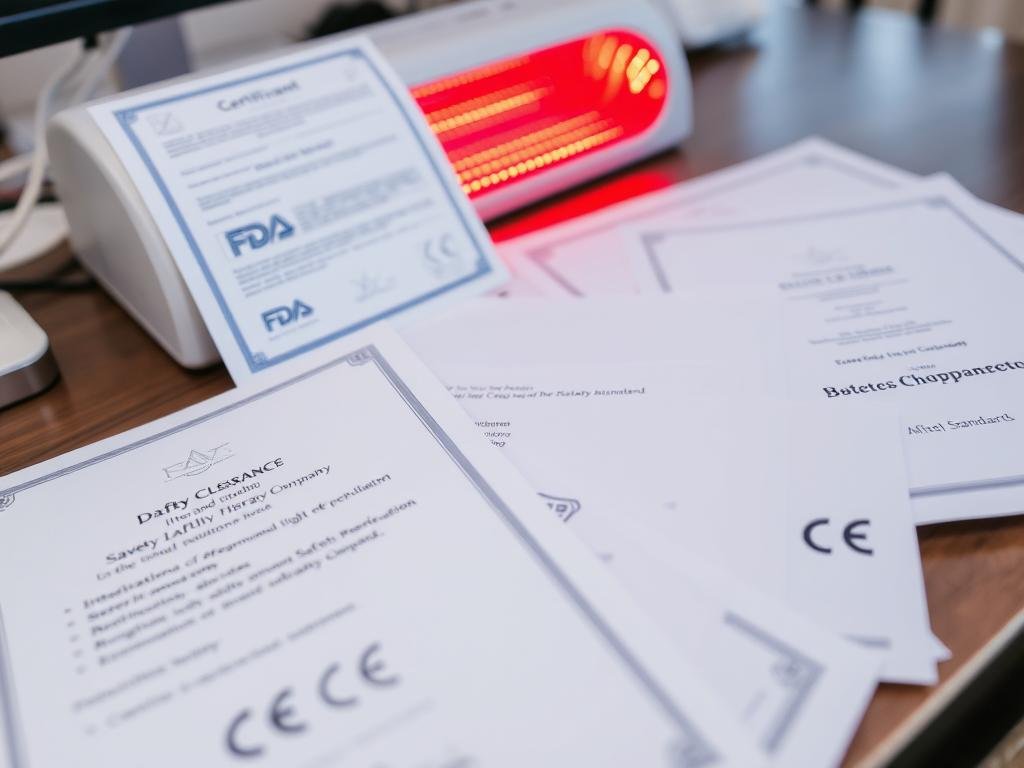
“The safety standards for medical-grade light therapy devices are comprehensive and ensure that when used as directed, these devices pose minimal risk to users.” – American Academy of Dermatology
Myth 2: Red Light Therapy Beds Cause Skin Cancer Like Tanning Beds
Perhaps the most damaging myth is the confusion between red light therapy beds and tanning beds, leading to unfounded fears about cancer risk.
The Reality: Different Light Spectrum, Different Effects
Red light therapy and tanning beds use fundamentally different light wavelengths. Tanning beds emit ultraviolet (UV) radiation, which is known to damage DNA and increase skin cancer risk. In contrast, red light therapy uses longer wavelengths (typically 630-660nm for red light and 810-850nm for near-infrared) that do not produce UV radiation.
Research has consistently shown that these longer wavelengths do not cause the DNA damage associated with skin cancer. In fact, studies suggest red light therapy may have protective and regenerative effects on skin cells.
Tanning Beds (Harmful)
- Emit UV radiation (280-400nm)
- Known to damage DNA
- Classified as carcinogenic
- Accelerates skin aging
- Increases melanin production
Red Light Therapy Beds (Safe)
- Emit red and near-infrared light (630-850nm)
- Does not damage DNA
- Not classified as carcinogenic
- May reduce signs of aging
- Stimulates cellular energy production
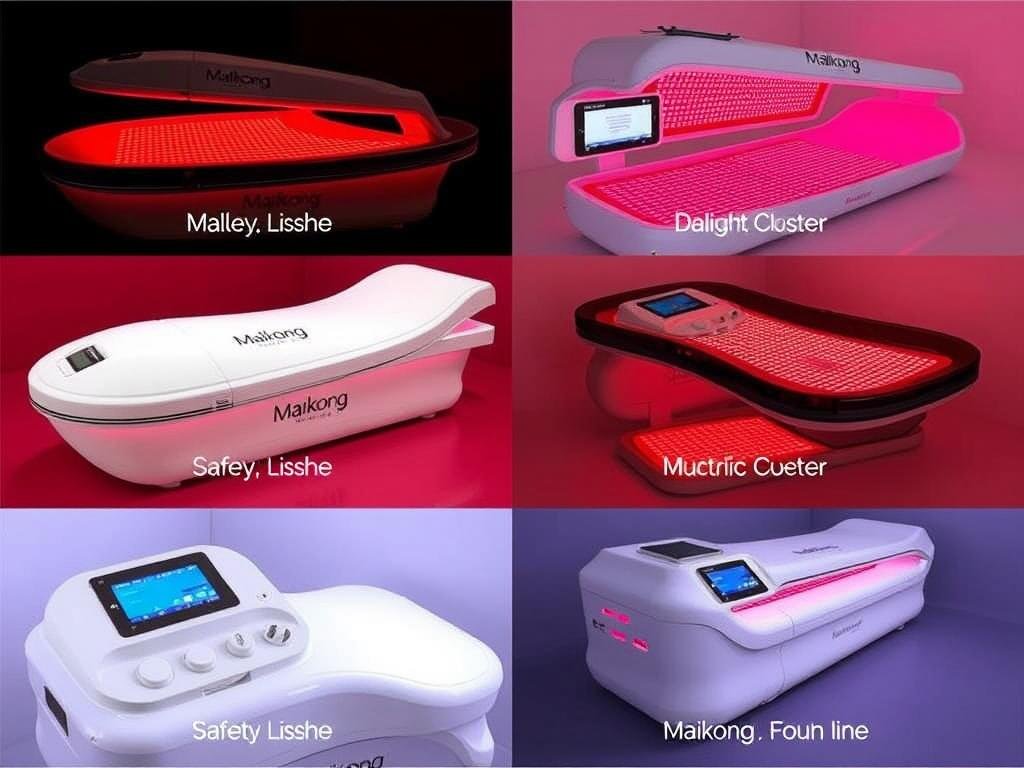
MAIKONG’s red light therapy beds exclusively use medical-grade LEDs that emit precise wavelengths of red and near-infrared light, completely free from harmful UV radiation.
Myth 3: All Red Light Therapy Devices Deliver the Same Results
Many assume that all red light therapy devices are created equal, leading to disappointment when using lower-quality equipment.
The Reality: Quality and Specifications Matter Significantly
The effectiveness and Red Light Therapy Bed Safety profile of these devices vary dramatically based on several factors:
| Factor |
Why It Matters |
MAIKONG Standard |
| Wavelength Precision |
Specific wavelengths target different tissues and cellular mechanisms |
±5nm precision on all stated wavelengths |
| Light Intensity (Irradiance) |
Determines treatment effectiveness and required session duration |
100-150 mW/cm² at treatment distance |
| LED Quality |
Affects energy efficiency, heat generation, and device lifespan |
Medical-grade LEDs with 50,000+ hour lifespan |
| Coverage Area |
Determines how effectively the device treats larger body areas |
Full-body coverage with even light distribution |
| EMF Emissions |
Lower EMF emissions reduce potential side effects |
Ultra-low EMF design with shielding technology |
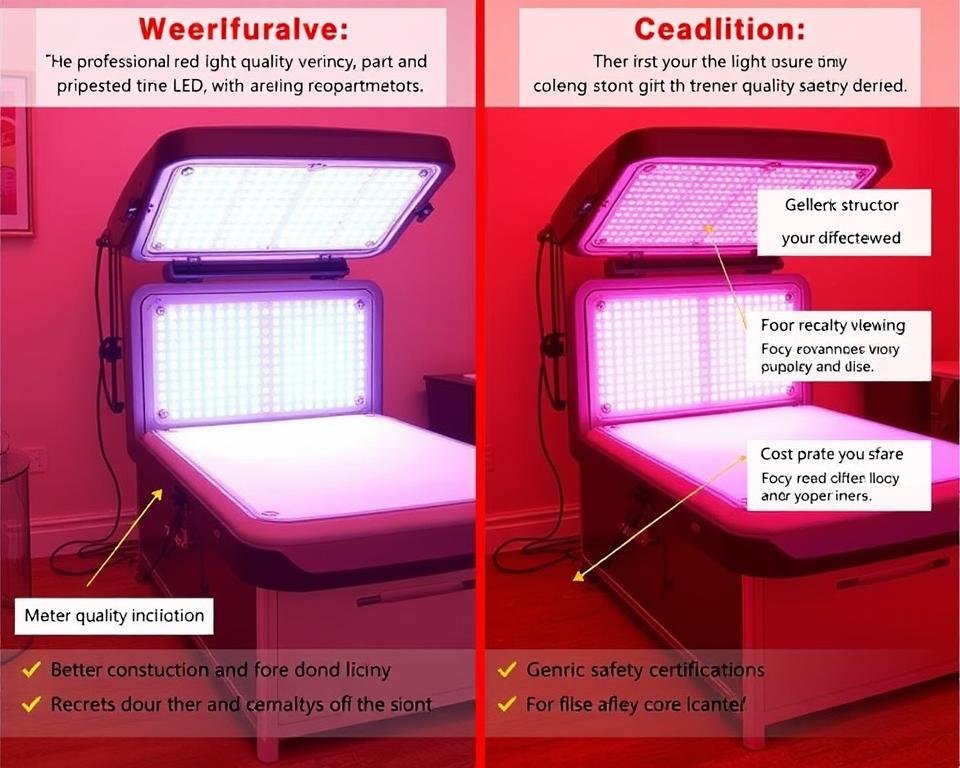
When choosing a red light therapy device, prioritize those from reputable manufacturers like MAIKONG that provide detailed specifications and have third-party testing to verify their claims.
Myth 4: Longer Sessions Always Produce Better Results
A dangerous misconception is that extending treatment time will enhance benefits, potentially leading to overexposure.
The Reality: Optimal Dosing Is Key to Safety and Effectiveness
Red light therapy follows a biphasic dose response, meaning more isn’t always better. Research shows that there’s an optimal treatment window, and exceeding it may reduce benefits or potentially cause adverse effects like temporary skin redness or eye strain.
Recommended Treatment Guidelines for Red Light Therapy Bed Safety:
- Initial sessions: 5-10 minutes
- Standard sessions: 10-20 minutes
- Frequency: 3-5 times per week
- Allow 24 hours between treatments for cellular response
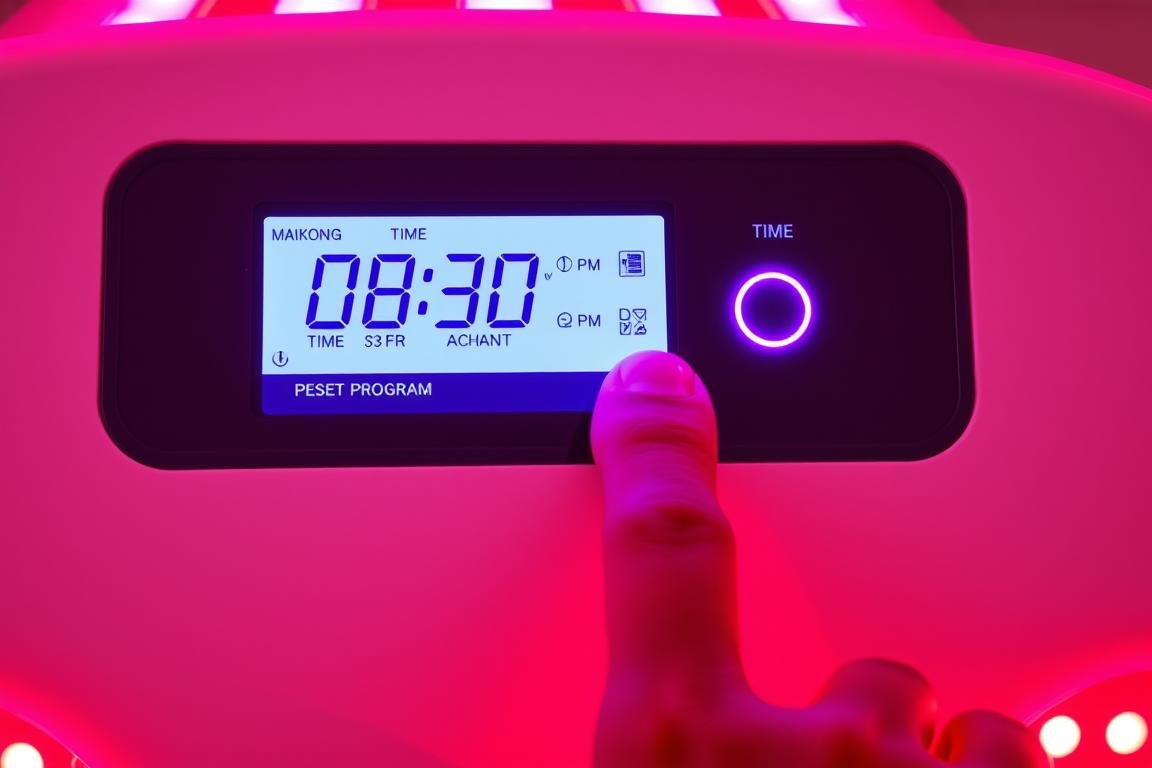
MAIKONG red light therapy beds come with pre-programmed treatment protocols developed by photobiomodulation experts to ensure optimal dosing for different applications. Our devices also include automatic timers that prevent accidental overexposure.
Myth 5: Red Light Therapy Causes Eye Damage
Eye safety is a common concern when considering red light therapy, with many believing it can cause permanent vision damage.
The Reality: Proper Precautions Ensure Eye Safety
While staring directly at bright lights of any kind is not recommended, red light therapy operates at wavelengths that are generally considered safe for incidental eye exposure. However, the brightness of therapy lights can cause temporary discomfort.
Research on red light therapy for eye conditions shows that specific protocols using appropriate wavelengths and intensities may actually benefit certain eye conditions. However, these are specialized medical applications that differ from general wellness devices.
Eye Safety Recommendations:
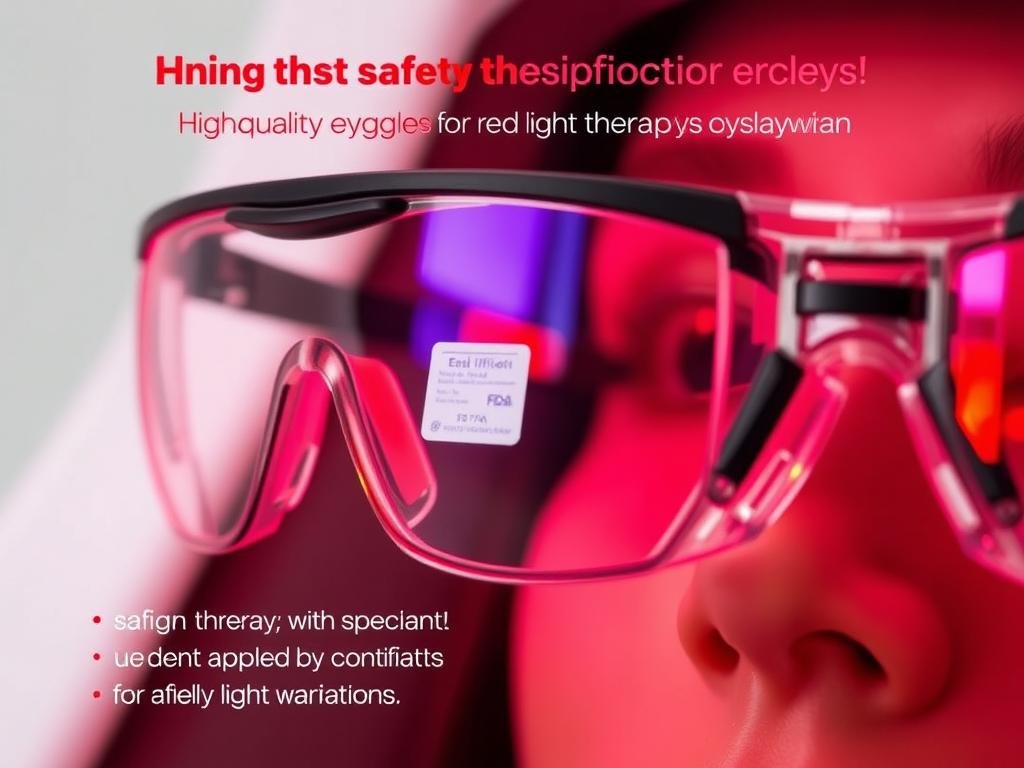
- Always use the provided protective goggles during treatment
- Close your eyes during facial treatments
- Follow manufacturer guidelines for eye protection
- Consult an eye care professional if you have pre-existing eye conditions
All MAIKONG red light therapy beds include FDA-compliant protective eyewear designed specifically for the wavelengths and intensities used in our devices. Our beds also feature eye protection reminders and safety sensors.
Myth 6: Red Light Therapy Beds Are Not Safe During Pregnancy
Many prospective users worry about the safety of red light therapy during pregnancy, often avoiding it entirely out of caution.
The Reality: Limited Research, But No Evidence of Harm
There is limited research specifically examining red light therapy during pregnancy. However, the existing studies on light therapy show no evidence of harm to pregnant women or fetuses. Red light penetrates only a few millimeters into tissue, making it unlikely to reach a developing fetus.
A study published in the Journal of Photomedicine and Laser Surgery examined 380 pregnant women who received low-level laser therapy during pregnancy and found no adverse effects on either the mother or the developing child.
As with any therapy during pregnancy, it’s recommended to consult with your healthcare provider before beginning red light therapy. Individual medical circumstances vary, and your doctor can provide personalized guidance.
MAIKONG provides comprehensive safety information with all our devices and recommends consulting healthcare providers for specific medical conditions, including pregnancy. Our customer support team can also provide the latest research on Red Light Therapy Bed Safety for special populations.
Myth 7: Red Light Therapy Interferes with Medications
There’s a common misconception that red light therapy can negatively interact with medications, reducing their effectiveness or causing adverse reactions.
The Reality: Few Known Interactions, But Caution with Photosensitizing Drugs
Red light therapy has very few known interactions with medications. However, certain photosensitizing medications can increase sensitivity to light, potentially causing skin reactions even with normally safe light exposure.
| Medication Category |
Potential Concern |
Recommendation |
| Photosensitizing antibiotics (tetracyclines, fluoroquinolones) |
May increase skin sensitivity |
Consult physician; may need reduced intensity |
| Retinoids (Accutane, Retin-A) |
Increased skin sensitivity |
Wait 24 hours after application before therapy |
| Photodynamic therapy drugs |
Designed to react with light |
Avoid red light therapy |
| Most other medications |
No known interactions |
Safe to use; consult physician if concerned |

MAIKONG provides comprehensive medication guidance with all our red light therapy devices and recommends consulting with healthcare providers about specific medications. Our customer support team includes healthcare professionals who can address medication-related questions.
Myth 8: Home Red Light Therapy Devices Are Just As Effective As Professional Beds
Many consumers believe that small, handheld devices provide the same benefits as professional-grade red light therapy beds, leading to unrealistic expectations.
The Reality: Significant Differences in Power, Coverage, and Results
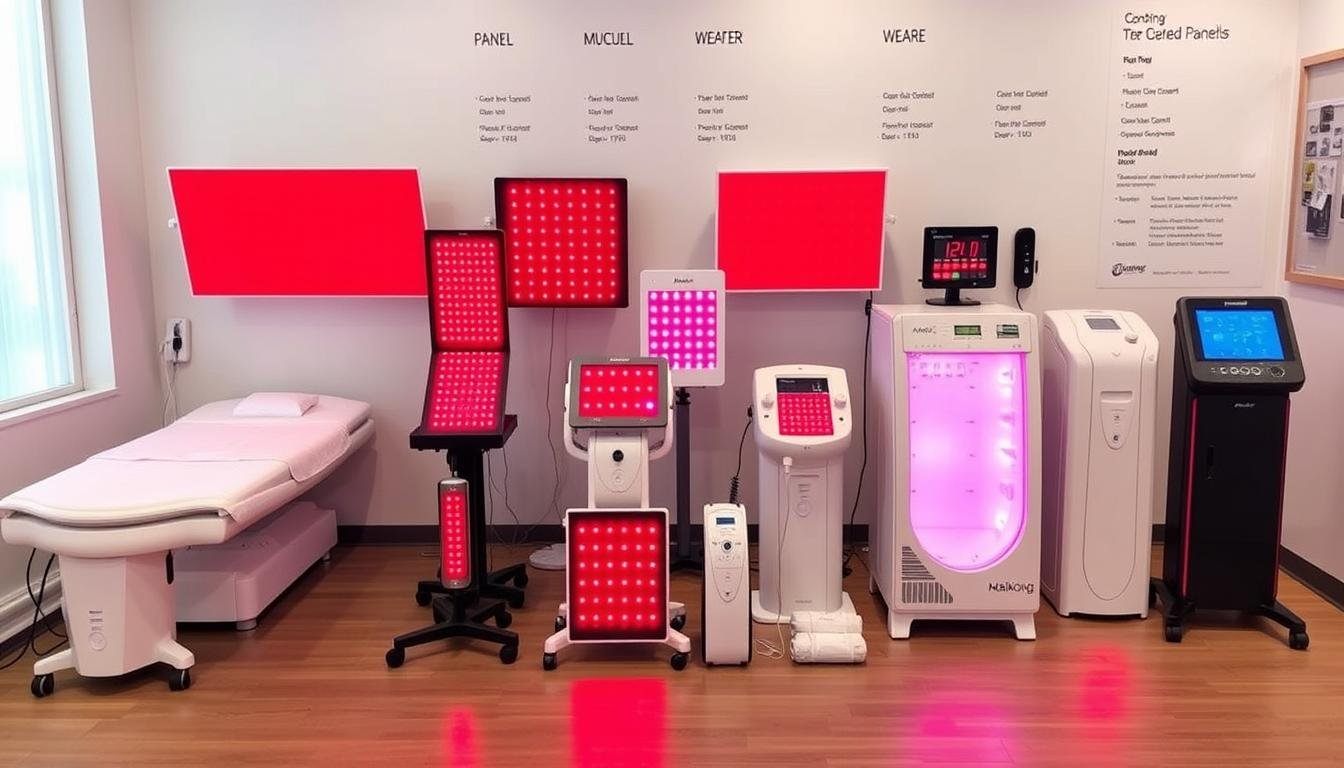
While home devices can provide benefits for targeted areas, they differ substantially from professional-grade beds in several important ways that affect both results and Red Light Therapy Bed Safety:
Power Output
Professional beds deliver 5-10 times higher irradiance (power density) than typical home devices, allowing for deeper tissue penetration and shorter treatment times.
Coverage Area
Full-body beds provide simultaneous treatment to large areas, ensuring consistent dosing and more comprehensive benefits compared to spot-treating with small devices.
Light Spectrum
Professional systems often combine multiple therapeutic wavelengths in precise ratios, optimized for different tissue types and treatment goals.
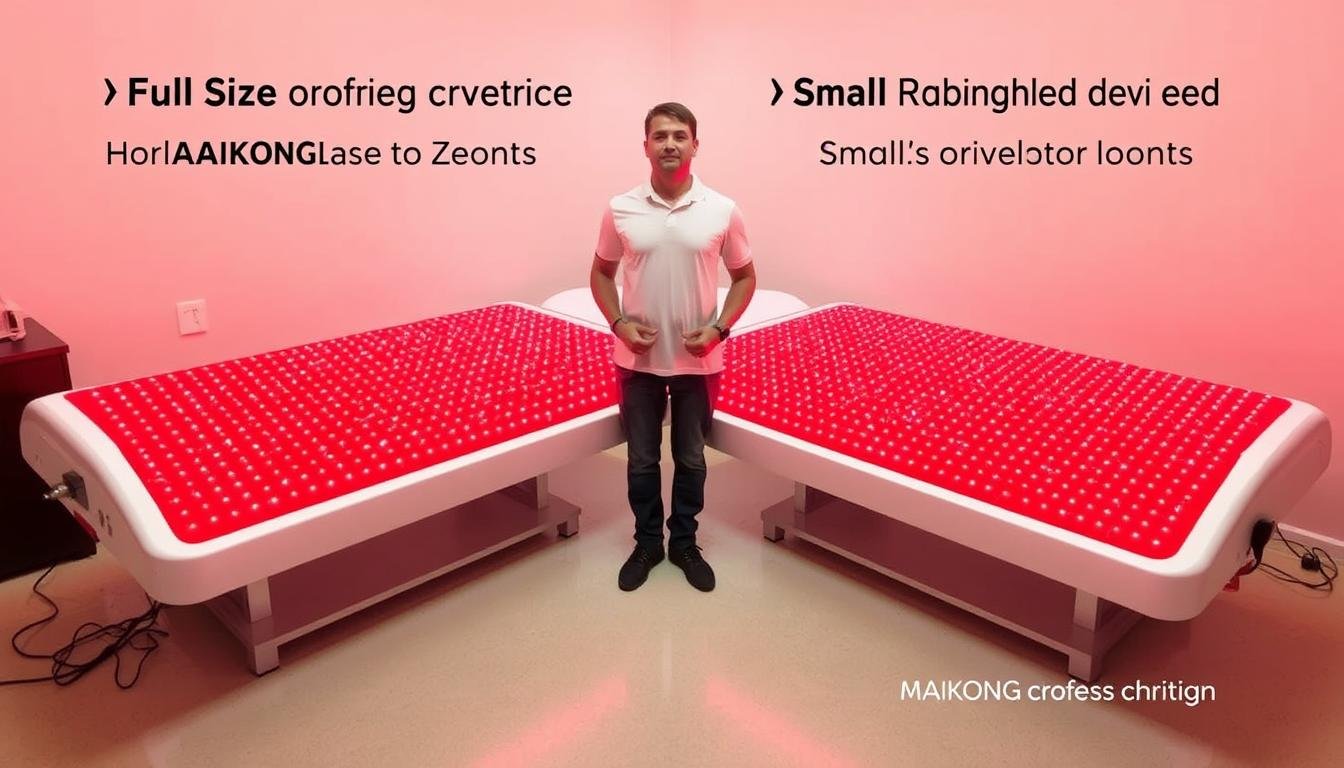
MAIKONG offers both professional-grade beds for clinics and spas as well as high-quality home units designed to provide the best possible results in each context. Our home devices are engineered to deliver higher power than typical consumer products while maintaining the same safety standards as our professional equipment.
Experience Professional-Grade Results at Home
MAIKONG’s home red light therapy devices deliver clinical-level power in a convenient format. Engineered with the same safety standards as our professional beds.
Explore Home Devices
Myth 9: Red Light Therapy Results Are Immediate
Many first-time users expect dramatic, immediate results from red light therapy, leading to disappointment when changes take time to develop.
The Reality: Consistent Use Yields Progressive Results
Red light therapy works at the cellular level, stimulating mitochondrial function and promoting various biological processes. These changes accumulate over time with consistent use. Understanding the typical timeline helps set realistic expectations:
| Timeframe |
Typical Observable Changes |
| After first session |
Temporary skin glow, mild relaxation, possible reduction in acute pain |
| 1-2 weeks (3-6 sessions) |
Improved skin tone, reduced inflammation, better sleep quality |
| 3-4 weeks (9-12 sessions) |
Noticeable skin improvements, reduced fine lines, improved wound healing |
| 8-12 weeks (24-36 sessions) |
Significant skin rejuvenation, reduced pain, improved hair growth in applicable cases |
| Ongoing maintenance |
Sustained benefits with regular sessions (typically 1-3 times per week) |
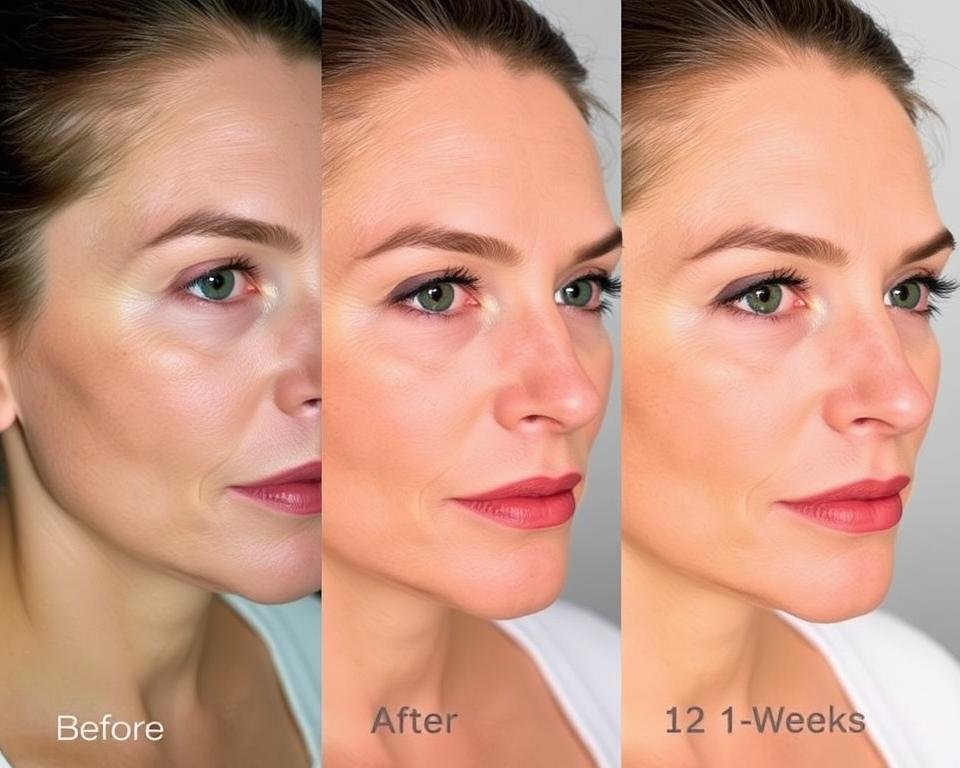
MAIKONG provides realistic treatment protocols and expectations with all our devices. Our customer support team helps users develop appropriate treatment plans based on their specific goals, and our educational materials emphasize the importance of consistency for optimal results.
Myth 10: All Red Light Therapy Manufacturers Follow The Same Red Light Therapy Bed Safety Standards
Many consumers assume all manufacturers adhere to the same rigorous safety and quality standards, potentially exposing themselves to substandard equipment.
The Reality: Significant Variations in Manufacturing Standards
The red light therapy industry includes manufacturers with vastly different commitment levels to safety, quality control, and performance verification. These differences can significantly impact both the safety and effectiveness of the devices.
What Quality Manufacturers Provide
- Third-party testing and verification of specifications
- Comprehensive safety certifications (FDA, CE, UL, etc.)
- Medical-grade components and construction
- Detailed technical specifications and transparency
- Research-based protocols and guidelines
- Professional customer support and training
Red Flags to Watch For
- Missing or vague technical specifications
- No third-party verification of claims
- Limited or non-existent safety certifications
- Exaggerated or scientifically impossible claims
- Poor quality construction or components
- Inadequate customer support or documentation

MAIKONG maintains ISO-certified manufacturing facilities with rigorous quality control processes. Every device undergoes multiple testing phases before shipping, and we provide complete transparency regarding our specifications, certifications, and testing protocols.
Conclusion: Making Informed Decisions About Red Light Therapy Bed Safety
Understanding the facts behind these common myths empowers you to make informed decisions about red light therapy. When used properly with quality equipment, red light therapy is a safe, non-invasive approach with numerous potential benefits.
At MAIKONG, we’re committed to not only manufacturing the highest quality red light therapy devices but also to educating users about proper usage, realistic expectations, and safety considerations. Our comprehensive approach includes detailed user manuals, training resources, and responsive customer support to ensure you get the most from your red light therapy experience.
Become a MAIKONG Distributor in the United States
Join our growing network of distributors bringing high-quality, affordable red light therapy solutions to the American market. MAIKONG offers competitive pricing, comprehensive training, and ongoing support.
Email: Lucy@maikongbed.us
Visit Our Website
What certifications should I look for when purchasing a red light therapy bed?
Look for FDA clearance, CE marking, UL certification, and ISO manufacturing standards. These indicate the device has been tested for electrical safety and meets international standards. MAIKONG devices carry all these certifications plus additional third-party testing verification.
How often should red light therapy beds be serviced for optimal safety?
Professional-grade red light therapy beds should undergo annual maintenance checks to ensure all safety features, electrical components, and light output remain within specifications. MAIKONG provides comprehensive maintenance guidelines and offers service plans for commercial installations.
Can children safely use red light therapy?
While red light therapy is generally considered safe, there is limited research specifically on children. For children with specific medical conditions, red light therapy should only be used under medical supervision. Always consult a pediatrician before beginning any light therapy with children.
